Affiliate links on Android Authority may earn us a commission. Learn more.
The Android Authority Best of 2026 Awards: All the winners so far!
Oct 20, 2026 — 6:42 PM ET


2026 gave us plenty to argue about. Foldables got lighter and finally went wide, mid-range phones borrowed more flagship tricks than ever, and categories that barely existed a few years ago, from robot mowers and pool robots to wearable exoskeletons, grew into products we’d genuinely recommend.
We spent the year testing and reviewing devices here at Android Authority (and all the best new audio at our sister site SoundGuys). Below are our top three picks in each category, from phones and wearables to audio, smart home, power, and handhelds.
Stay tuned for even more Android Authority Best of 2026 Awards winners to be announced over the coming weeks, including our annual Editor’s Choice and Reader’s Choice winners for Best Phone.
The Best Mid-Range Phones of 2026

- Completely flush rear camera
- Smooth day-to-day performance
- Very reliable cameras
- Great battery life
- Google's Pixel software
- $500 price is sweeter than ever
- No built-in magnets
- Missing some more advanced Pixel features
- Almost identical to the Pixel 9a
Google didn’t reinvent its A series formula in 2026, but it didn’t need to. The Pixel 10a takes everything we loved about last year’s winner, sands down the rough edges, and remains the best $500 Android phone you can buy.
The rear camera now sits completely flush, the display is brighter at 3,000 nits with thinner, symmetrical bezels, and charging is faster both wired and wireless. The 5,100mAh battery remains a standout, easily handling long travel days, while Satellite SOS and seven years of OS and security updates add plenty of peace of mind.
The Tensor G4 chipset and 8GB of RAM carry over from the Pixel 9a, so a few advanced Pixel features are missing, but few phones around the $500 mark match the 10a’s mix of reliable cameras, great battery life, and Google’s polished software, making it one of the best Android phones for the money.

- Distinctive, standout design
- Excellent Nothing OS experience
- Strong battery life
- Bright, smooth display
- Versatile camera setup
- Good overall value for money
- Photo quality inconsistent on ultrawide and zoom
- No wireless charging
- Limited US carrier band support
- Weak software update policy
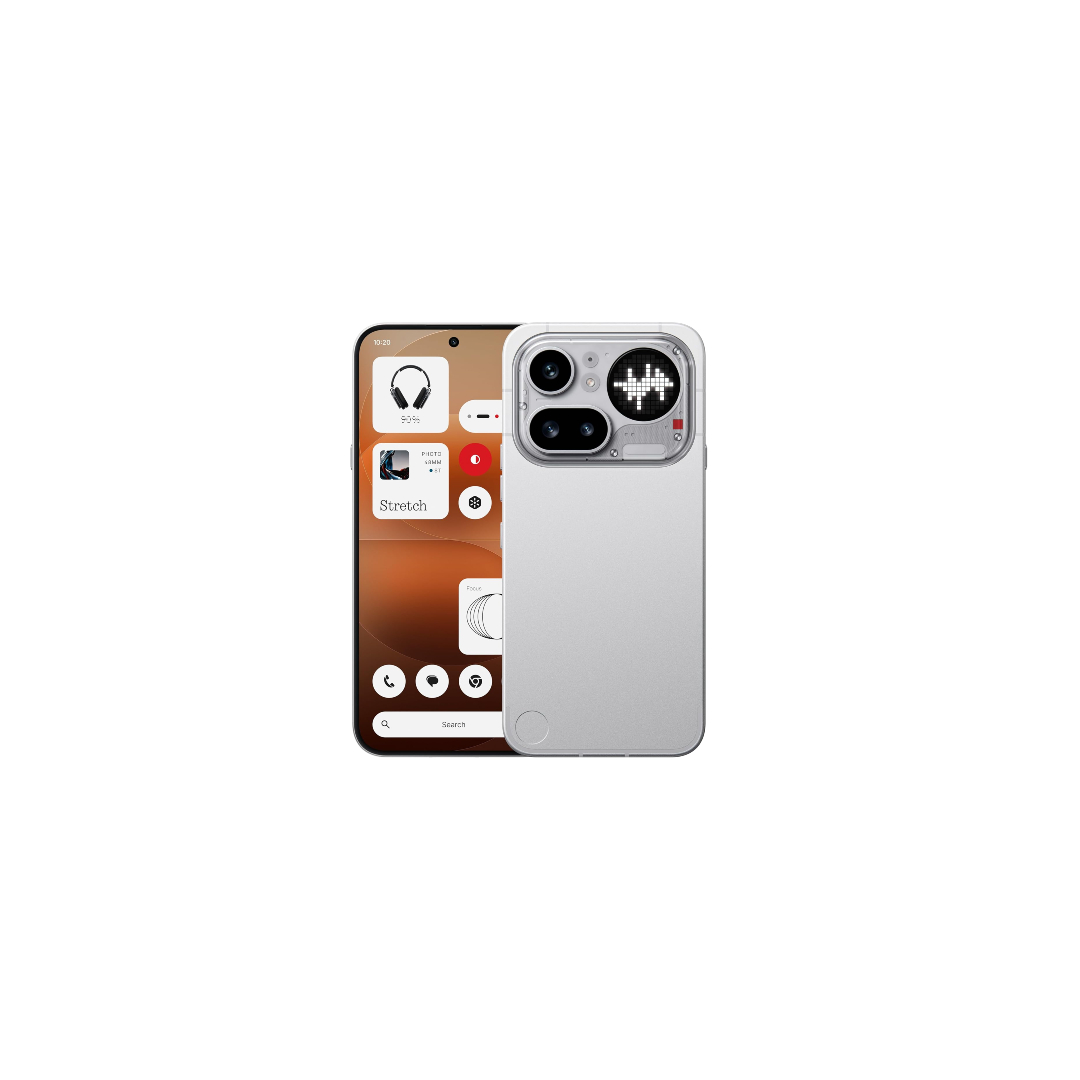
Nothing’s mid-rangers have long been fun to look at but tricky to buy in the US. The Nothing Phone 4a Pro changes that as the first A series phone to officially go on sale stateside, and it’s a stylish debut.
Swapping the transparent back for an aluminum unibody and a larger Glyph Matrix, the 4a Pro is Nothing’s slimmest phone yet. It pairs a bright 6.83-inch 144Hz display with a dedicated 3.5x telephoto camera, a rarity at this price, while strong battery life and 50W wired charging outpace most $500 rivals. Nothing OS also remains one of our favorite Android skins.
US buyers should check carrier band support, but if you want a mid-range phone with genuine personality, the Phone 4a Pro stands out.
- Wonderfully thin and light
- Reliable main camera
- Vibrant display
- Good battery life
- Super durable
- Six years of software updates
- Processor thermal struggles
- Weak secondary cameras
- No wireless charging
- Priced too close to better phones
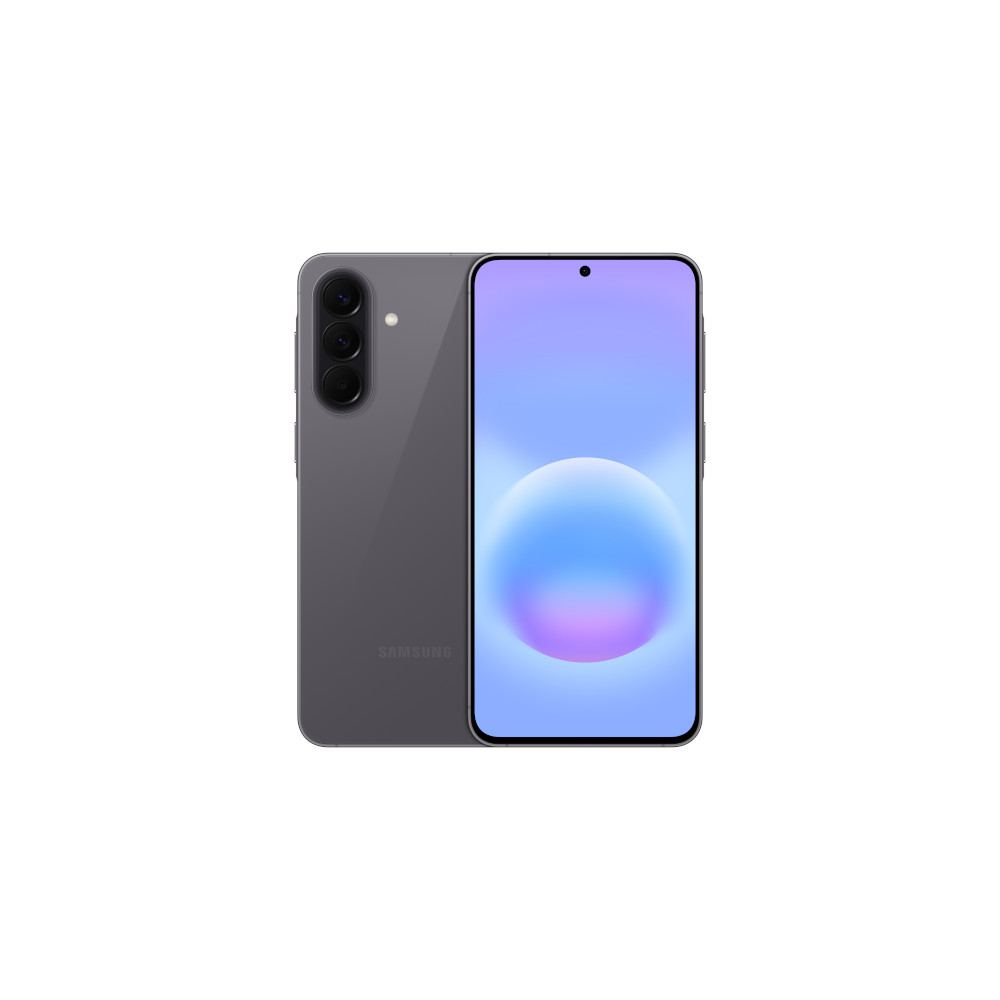
Samsung’s A5x series is the backbone of its mid-range lineup, and the Galaxy A57 5G delivers the essentials in a remarkably premium package.
At 6.9mm thin and 179g, with Gorilla Glass Victus Plus front and back and an upgraded IP68 rating, it feels far pricier than it is. The 6.7-inch 120Hz Super AMOLED display is bright and vibrant, the main camera is reliable, battery life comfortably lasts a full day, and Samsung’s six-year update promise keeps it current well into the next decade.
It’s at its best on sale, and at that price, it’s one of the best Samsung phones you can buy.
The Best Budget Phones of 2026
- Decent ultrawide camera
- Excellent IP rating and durability
- Clean Pantone colors
- Solid battery life
- Limited software support
- Outdated chipset
- Odd camera bump design
- Removed wireless charging
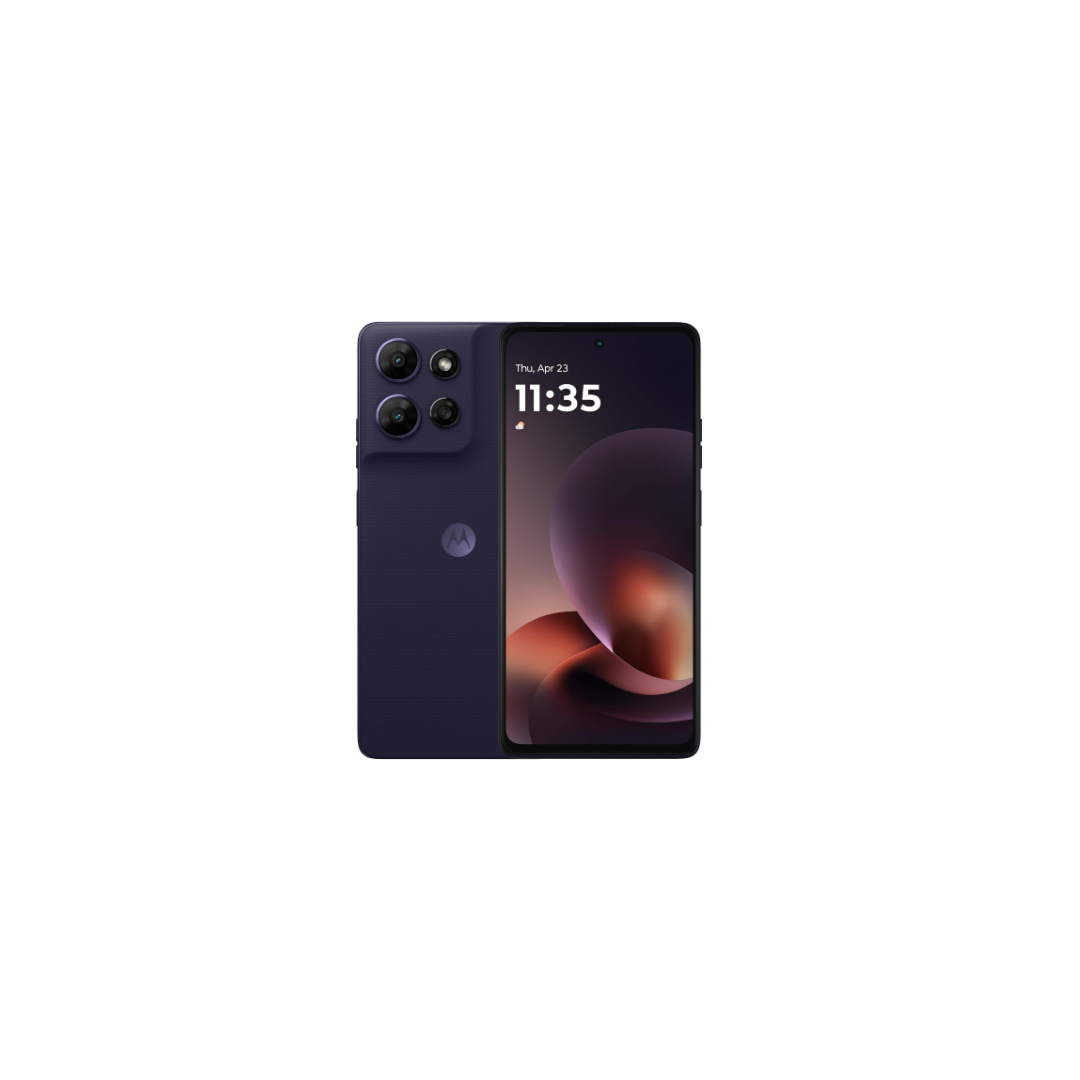
Motorola makes plenty of affordable phones, but the Moto G Power (2026) is the one we’d actually tell friends to buy.
It builds on what worked last year with a tough, highly water- and dust-resistant body, clean Pantone finishes, and battery life that easily carries you through the day. The ultrawide camera is also better than you’d expect at this price, giving you more flexibility than most budget rivals.
Its chipset is showing its age, but at $299.99, the Moto G Power (2026) is a dependable, no-nonsense phone that covers the basics without fuss.

- Great update support
- Good battery life
- Updated design
- Slow charging
- Inflexible cameras
- Poor performance
If longevity and affordability matter more than speed, Samsung’s cheapest phone remains hard to ignore. The Galaxy A17 5G costs just $269.99, yet it’s backed by an update commitment that puts many pricier phones to shame.
Samsung has also refreshed the design, and battery life is good enough to see most users through a full day. Add One UI’s deep customization options, and you have an approachable first Android phone that will stay secure for years.
Buy it for its software support and endurance rather than speed, and the Galaxy A17 5G makes a sensible starter phone.
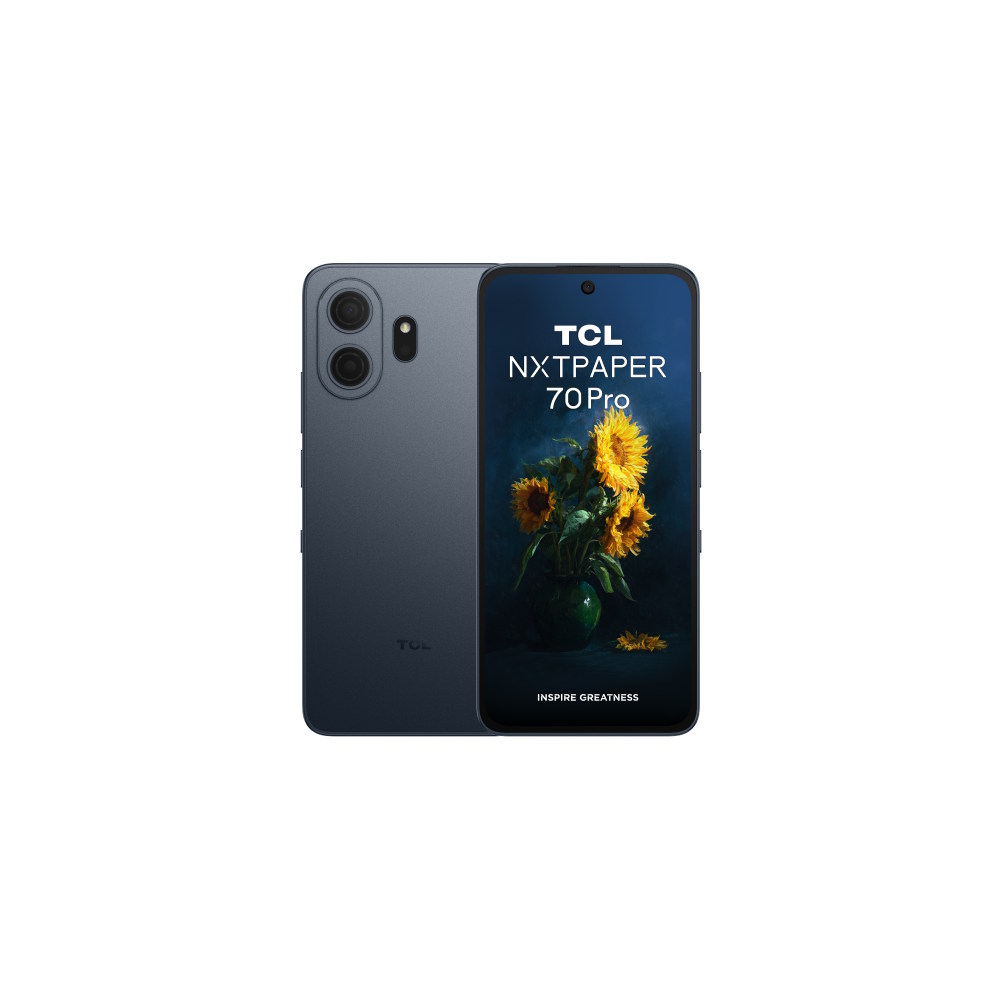
- Low-glare 120Hz NXTPAPER display
- Handy NXTPAPER key
- Long battery life in Max Ink mode
- Affordable price
- Mid-range performance
- Cameras aren't flagship-grade
Most budget phones chase brighter, glossier screens. The TCL NXTPAPER 70 Pro goes the other way, and it’s all the better for it.
Its 6.9-inch, 120Hz NXTPAPER 4.0 display has a matte, paper-like finish that’s easy on the eyes, and a dedicated NXTPAPER button flips between eye-comfort modes, including a high-contrast monochrome option for reading. Under the hood, you get a MediaTek Dimensity 7300, a 5,200mAh battery, a stabilized 50MP main camera, and support for TCL’s T-Pen stylus.
It’s built for comfort rather than benchmarks, and for readers and anyone who spends hours staring at their phone, the NXTPAPER 70 Pro is a refreshingly different budget pick at $329.99.
The Best Foldable Phones of 2026
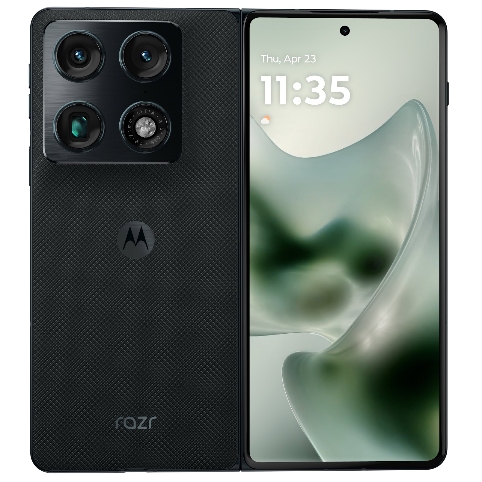
- Comfortable, stylish design
- Fantastic displays
- Two-day battery life
- Surprisingly excellent cameras
- Great multitasking features
- Seven years of Android updates
- The AI Key is bad
- Frustrating charging setup
- Moto AI is useless
Motorola took its time with its first book-style foldable, but the Razr Fold was absolutely worth the wait.
It’s comfortable and stylish in the hand, its displays are fantastic, and two-day battery life is almost unheard of in this category. The cameras are surprisingly excellent, multitasking tools make good use of the large inner screen, and seven years of Android updates finally put Motorola on par with the best in the business.
Moto AI still has some growing to do, but as a complete package, the Razr Fold is one of our favorite foldables of 2026 by some stretch.
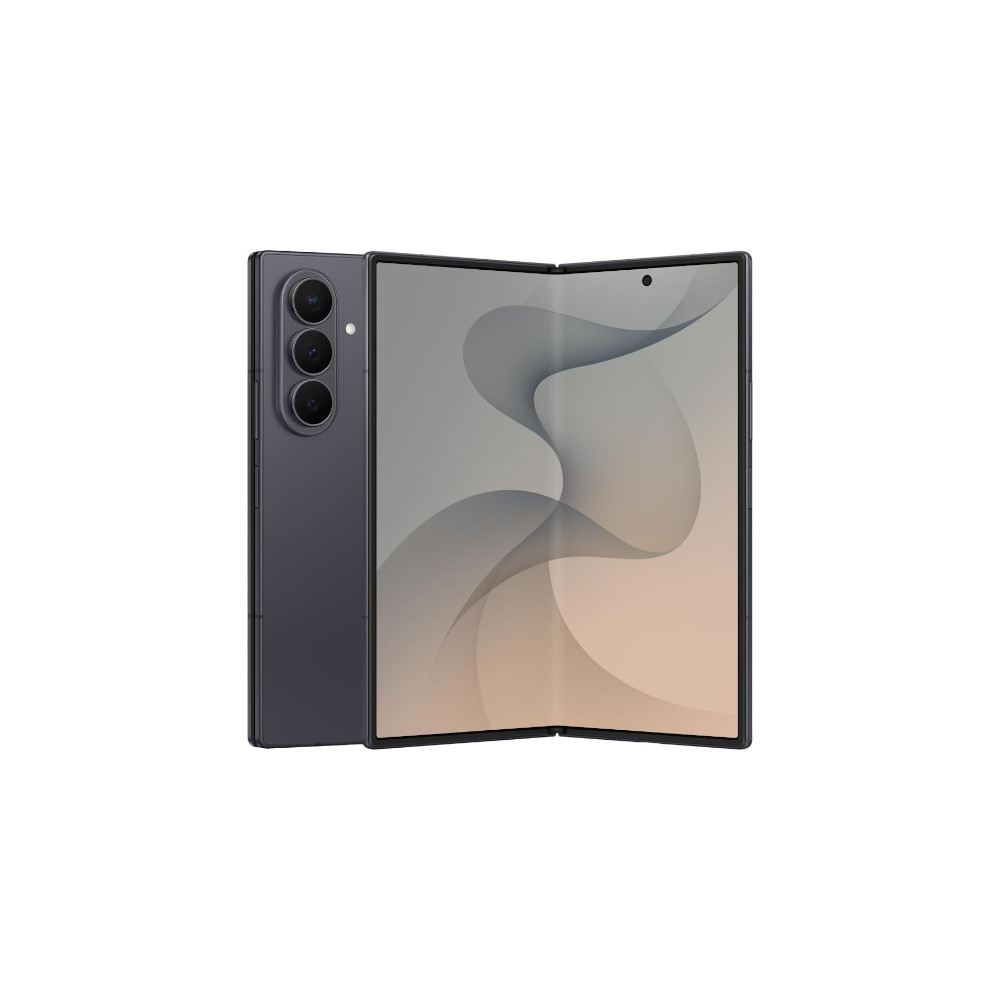
- Wonderfully lightweight
- Much easier to open
- Anti-reflective inner display is a huge win
- Top-tier performance
- Great 200MP primary camera
- Disappointing charge speeds
- Very weak telephoto camera
- Stagnant foldable software features
The Galaxy Z Fold 8 Ultra is Samsung’s most refined book-style foldable yet.
It’s wonderfully lightweight and much easier to open, while the new anti-reflective inner display makes a huge difference in everyday use. Top-tier performance and a great 200MP primary camera round out a phone that feels every bit the flagship.
Charging speeds trail rivals, but if you want the most polished big-screen foldable money can buy, this is it.
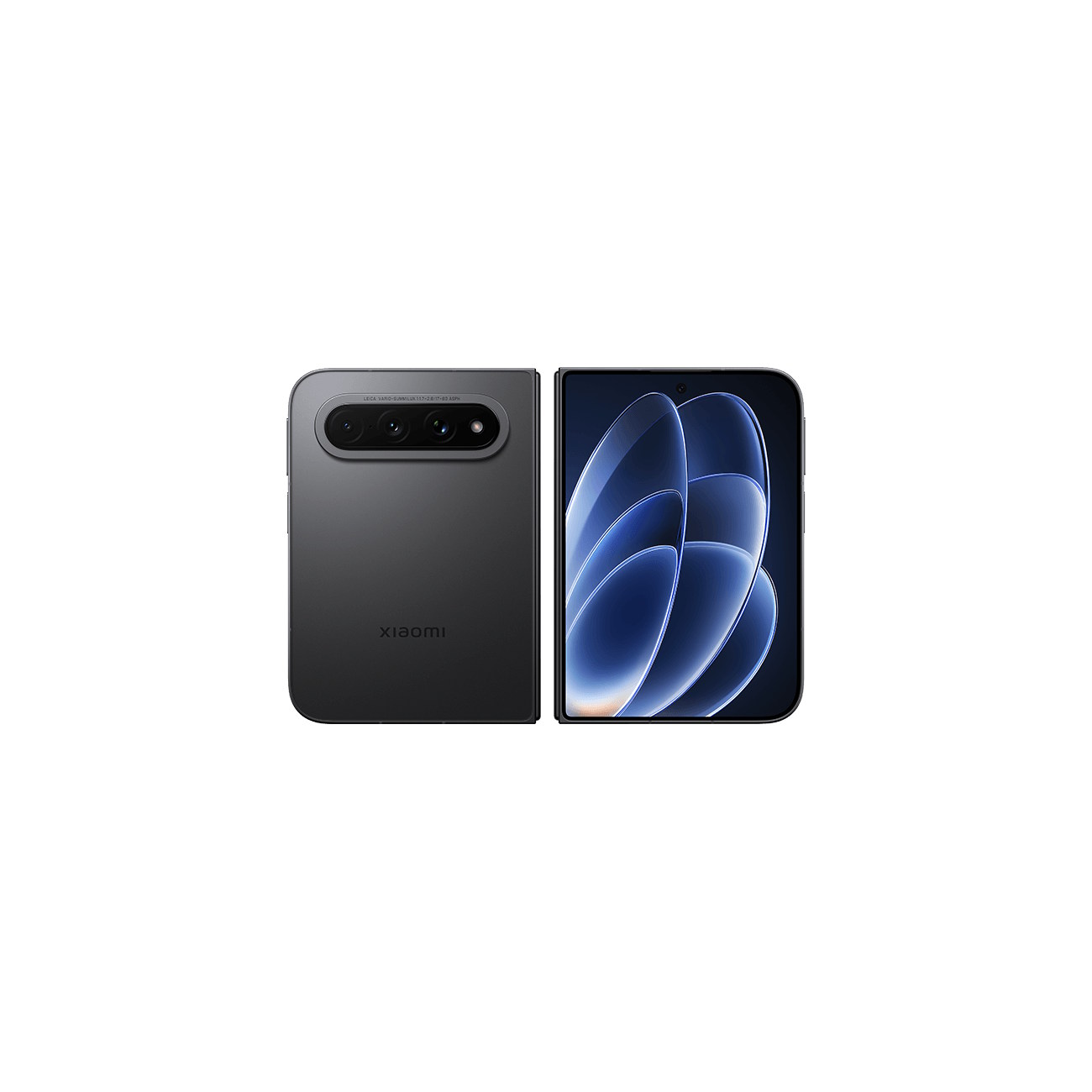
- Wide inner display
- Big battery for a foldable
- Promising Leica triple camera
- Softer, rounded design
- China-only availability
- Expensive
Xiaomi’s latest foldable is a seriously compelling alternative to Samsung’s wide-screen Z Fold 8 (which narrowly missed a win in this category).
Its passport-style design feels softer and less boxy when unfolded, with a 5.38-inch cover screen and a 7.58-inch inner display in a 2:1 aspect ratio. It’s also Xiaomi’s first flagship powered by its in-house XRing O3 chip, and the Leica-branded camera system pairs a 200MP main sensor with 50MP ultrawide and telephoto lenses, the latter a feature Samsung’s Fold lacks.
Global availability is still to be confirmed, but if you can get your hands on one, the Xiaomi 18 Fold is one of the most exciting foldables of the year.
The Best Camera Phones of 2026
- Brilliant camera setup
- Robust battery life
- Wonderful design
- Extreme performance
- Apple-inspired UX
- Proprietary fast charging
- Expensive
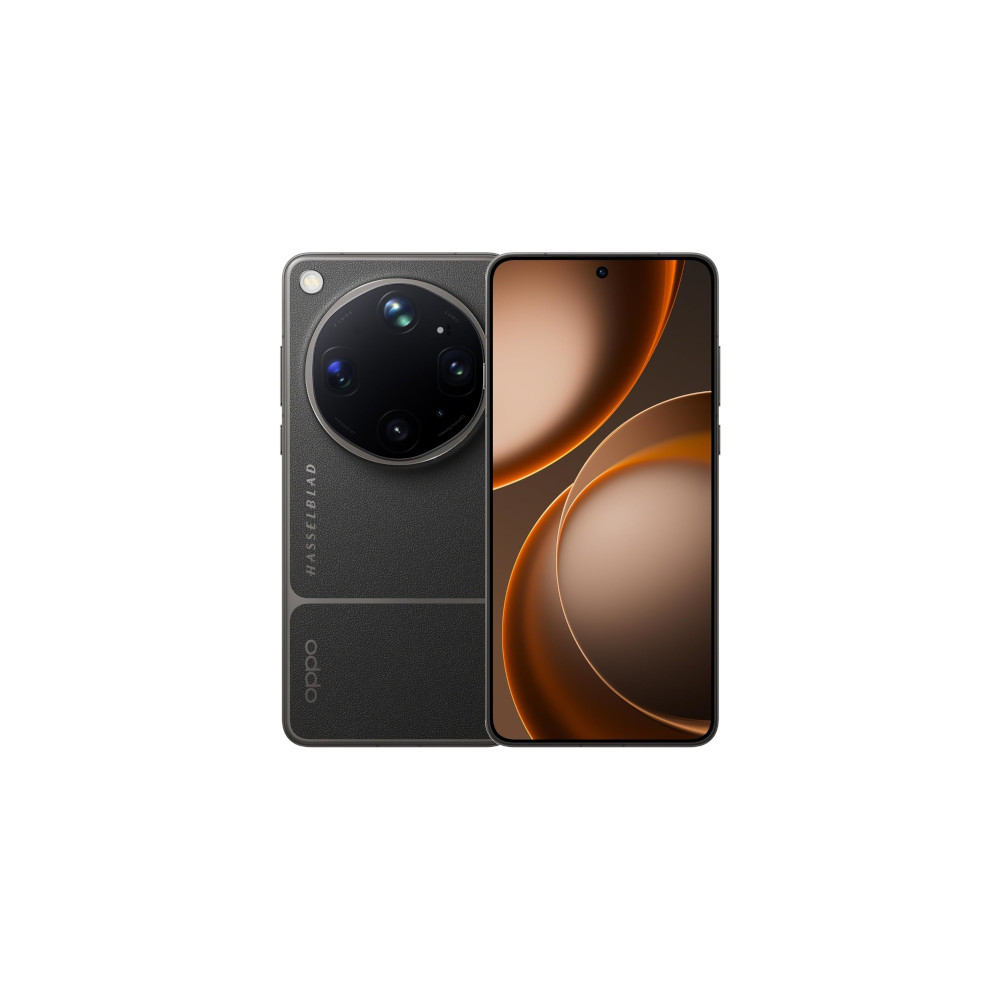
We saw some incredible camera phones launch in 2026, but few push mobile photography as hard as the OPPO Find X9 Ultra.
Its camera system is arguably the most versatile on the market, capable of excellent results across focal lengths and conditions. OPPO backs that up with robust battery life, extreme performance, and a wonderful design that makes the phone a pleasure to carry.
Its fast charging relies on a proprietary standard, but for anyone who wants a no-holds-barred flagship built around the camera, the Find X9 Ultra is hard to top.
- Amazing camera setup
- Great camera accessories
- Super-fast universal charging
- Two-day battery life
- HyperOS bloat
- Questionable AI features
- Expensive
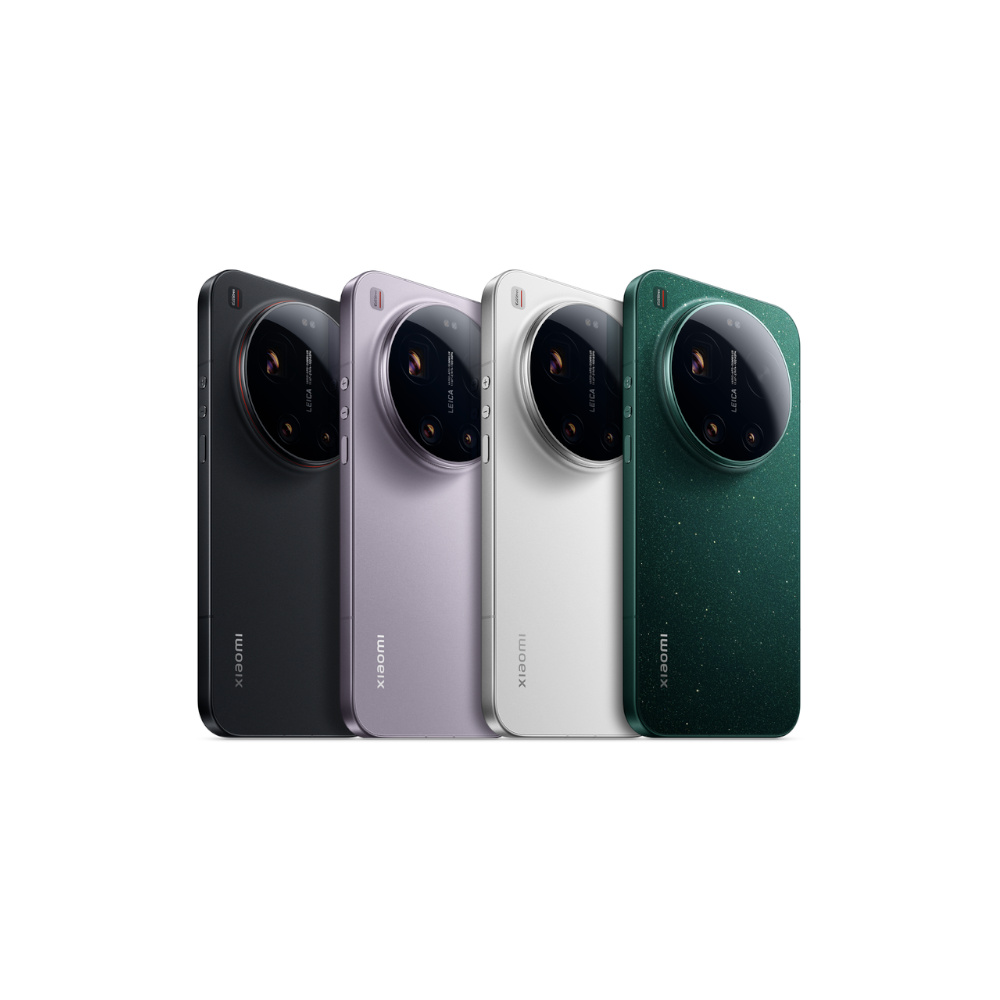
For photographers and videographers, especially those who love to zoom, the Xiaomi 17 Ultra stands above most rivals in image quality.
Its camera setup is simply amazing, and Xiaomi’s optional camera accessories turn it into an even more capable shooter. Beyond photography, it’s a superb all-around flagship, with two-day battery life and super-fast universal charging that doesn’t lock you into proprietary bricks.
HyperOS still ships with more bloat than we’d like, but if image quality is your top priority, the Xiaomi 17 Ultra belongs at the top of your shortlist.
- Unique cameras
- Great video capture with many options
- Impressive battery life
- 1TB of storage in Europe
- Bright screen
- Ultra-thick camera bump
- Heavy design
- Poor sustained performance
- Incredibly expensive
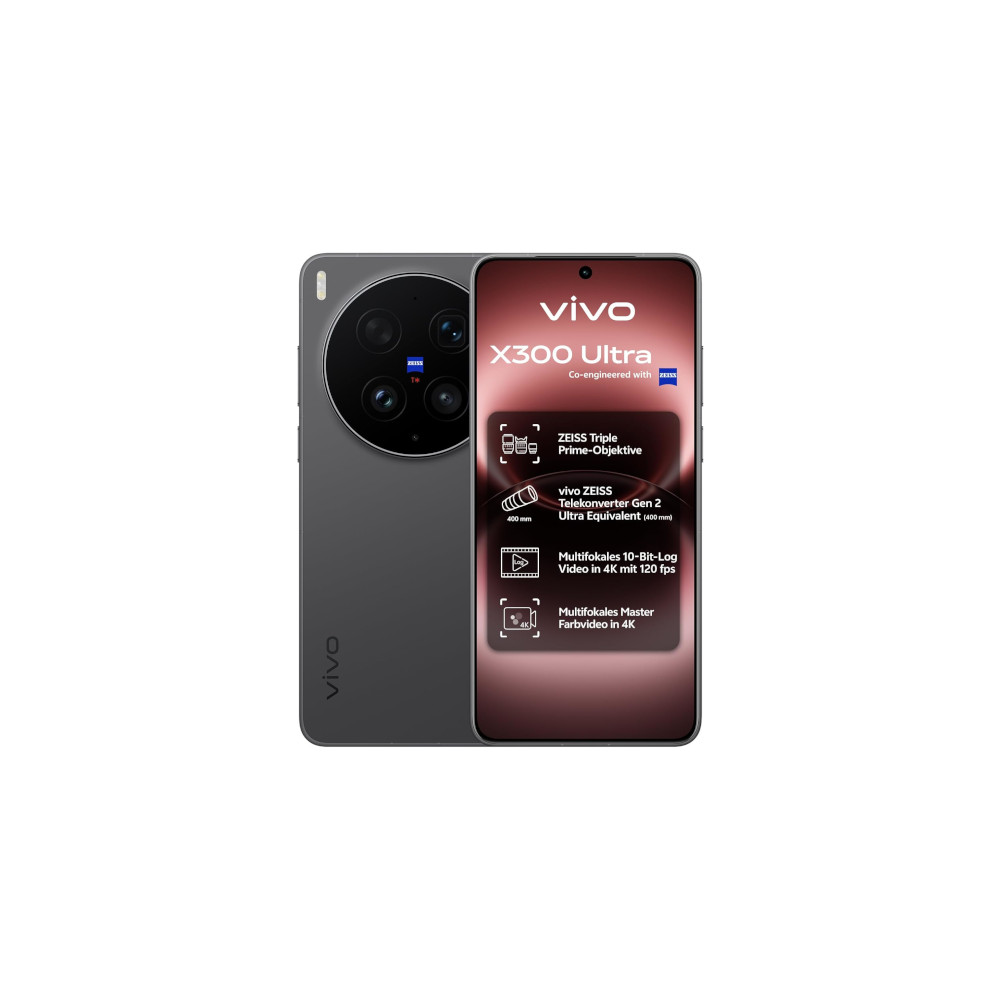
The vivo X300 Ultra hits it out of the park for anyone who treats their phone as a primary camera.
Its unique camera system is mostly fantastic, and enthusiast-grade video capture offers more options than most rivals. Impressive battery life, a bright screen, and 1TB of storage in Europe make it a capable creative tool away from the desk, too.
That camera bump makes it a heavy phone to carry, but few phones can match the X300 Ultra’s camera performance.
The Best Tablets of 2026

- Massive 120Hz AMOLED display
- Thinner than its predecessor
- S Pen in the box
- Up to 23 hours of video playback
- Pricier than the Tab S11 Ultra
- Charger sold separately
- Unchanged battery capacity
Samsung’s Ultra tablets have long set the bar for big-screen Android, and the Galaxy Tab S12 Ultra keeps that crown firmly in place.
Its massive 14.6-inch, 120Hz AMOLED display is ideal for creative work and entertainment, while the MediaTek Dimensity 9500 provides plenty of power, and the 11,600mAh battery keeps it going. The S Pen comes in the box, which isn’t the case for many rivals (cough Apple cough) and Samsung promises seven OS upgrades and seven years of security updates.
It costs $1,399.99 before you add a keyboard, and it’s still the best Android tablet for power users.
- Outstanding nine-speaker JBL sound system
- Versatile built-in rotating kickstand
- Bright, sharp 120Hz display
- Excellent battery life
- Good value for an entertainment-focused tablet
- Bulky, heavy design
- Underwhelming gaming and multitasking performance
- Limited software update commitment
- No cellular connectivity
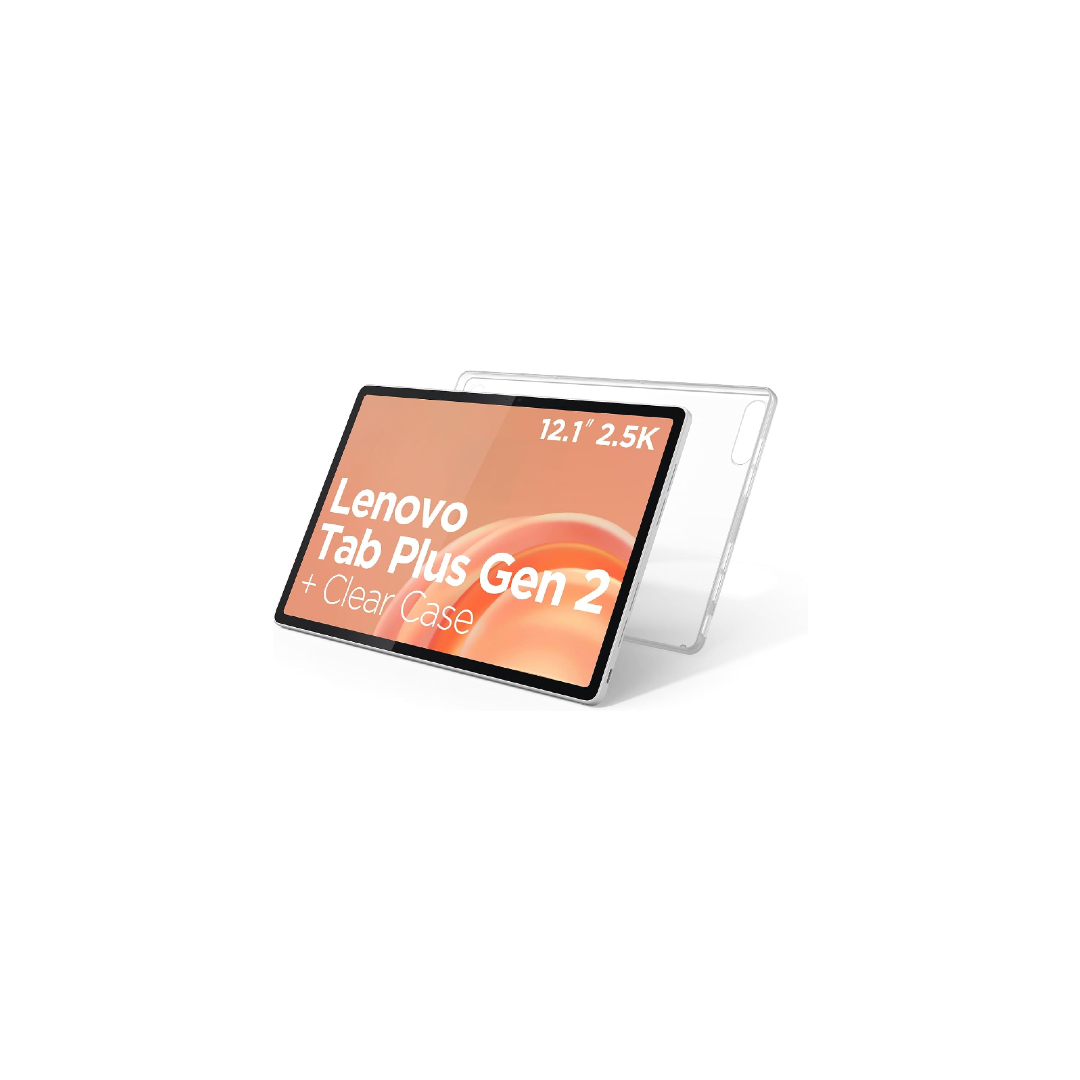
The Tab Plus Gen 2 is without doubt Lenovo’s most distinctive tablet in what was a year of great tablets from the company.
This 12.1-inch tablet features a whopping nine-unit JBL speaker system with four tweeters, three woofers, and two passive radiators tuned by Dolby Atmos. That same speaker sits in a chunky circular module on the back that doubles as a 360-degree rotating kickstand, allowing the tablet to stand in portrait or landscape, hang from a hook, and even work as a standalone Bluetooth speaker for your phone.
That speaker module adds some bulk, but at $399.99, with a Clear Case included in the US, the Tab Plus Gen 2 is the tablet to get if you want something that can also blast out your tunes.
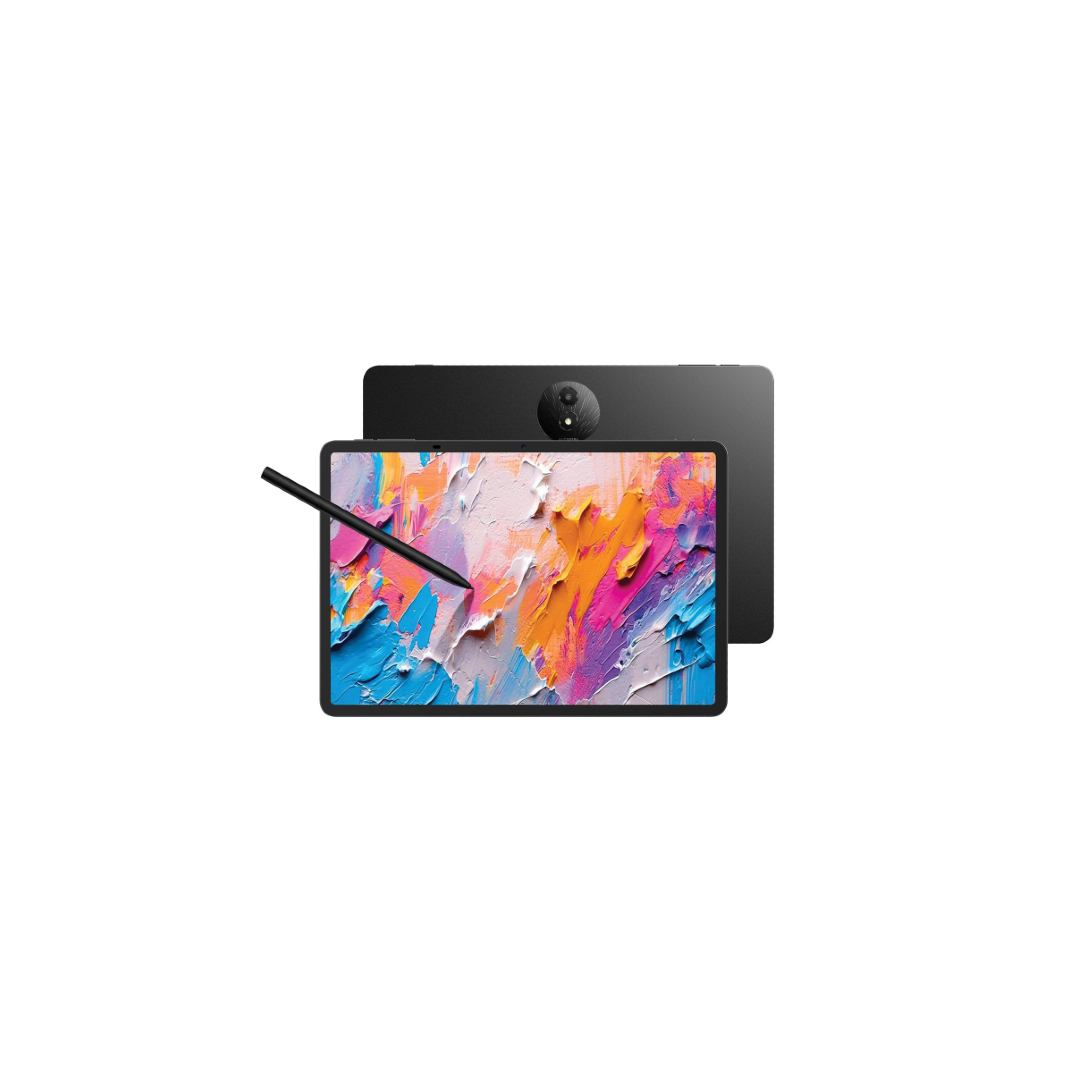
- Outstanding NXTPAPER matte display
- Premium design and build quality
- Excellent value
- Comfortable 3:2 aspect ratio
- Clean, thoughtfully designed software
- Unclear software update commitment
- No headphone jack or expandable storage
- Stylus doesn't charge magnetically
Not every tablet needs to be a glossy entertainment powerhouse. The TCL NXTPAPER 11 Plus is built for reading, note-taking, and long sessions that won’t tire your eyes.
Its NXTPAPER matte display is outstanding, the 3:2 aspect ratio is comfortable for documents and books, and the premium design feels far more expensive than its $249.99 price. TCL’s software is also clean and thoughtfully designed.
Its update commitment remains unclear, but as an affordable tablet that doubles as an e-reader, the NXTPAPER 11 Plus offers excellent value.
The Best Smartwatches of 2026
- Two full days of battery life
- Fast charging
- Google Health Coach is unique and useful
- Health Guardian features
- Bright screen
- Repairable
- Corning Gorilla Glass 5 lacks tactility
- Google Health may require a subscription
- Some features are Pixel phone exclusives
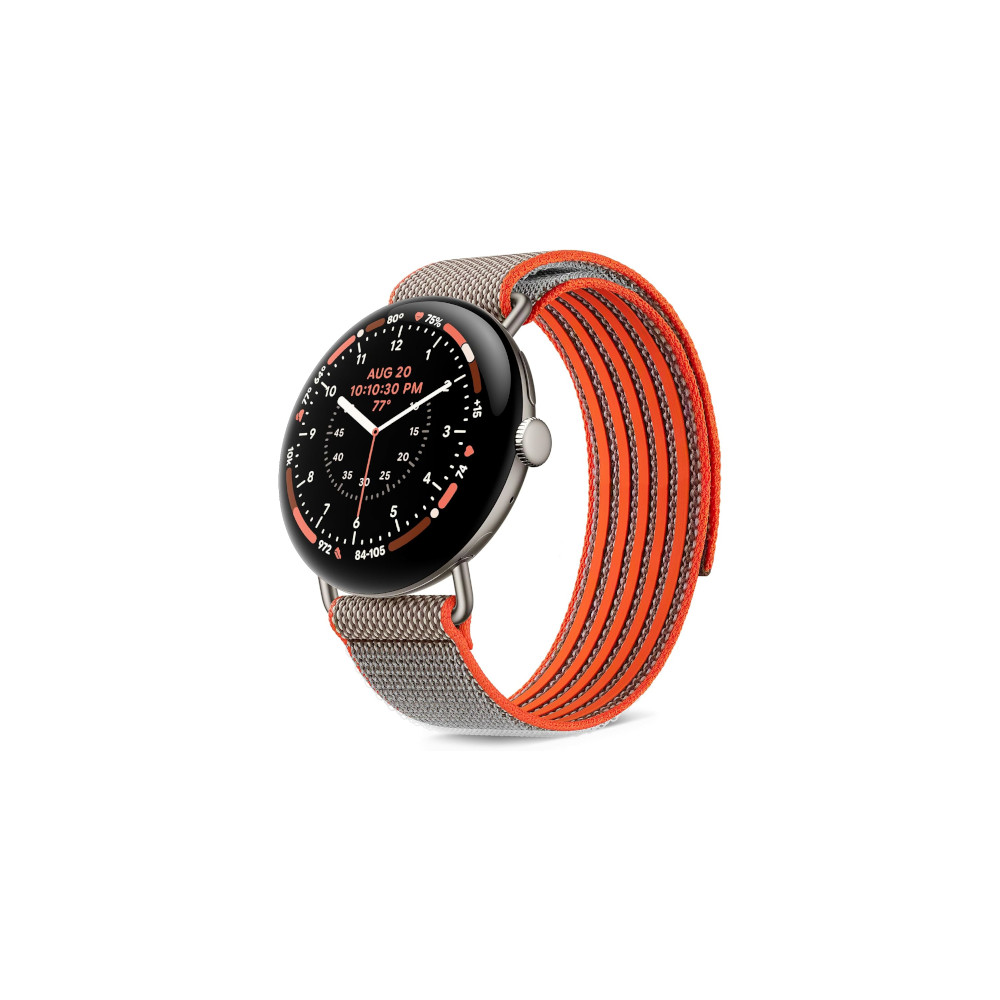
Google finally cracked the Wear OS formula with the Pixel Watch 4, but the Pixel Watch 5 took it to the next level with iterative polish.
Bigger batteries push the 45mm model to up to 40 hours with the always-on display, storage doubles to 64GB, and the brighter 3,000-nit AMOLED panel is easier to read outdoors. Google has also expanded its health toolkit with blood pressure pattern tracking, more accurate sleep tracking, dual-frequency GPS, and Breathing Emergency Detection, all tied together by Gemini Intelligence.
- Excellent battery life
- Premium titanium build
- Bright AMOLED display
- Accurate multi-band GPS
- Few changes from the GT 6 Pro
- Limited third-party app support
- Best features need a HUAWEI phone
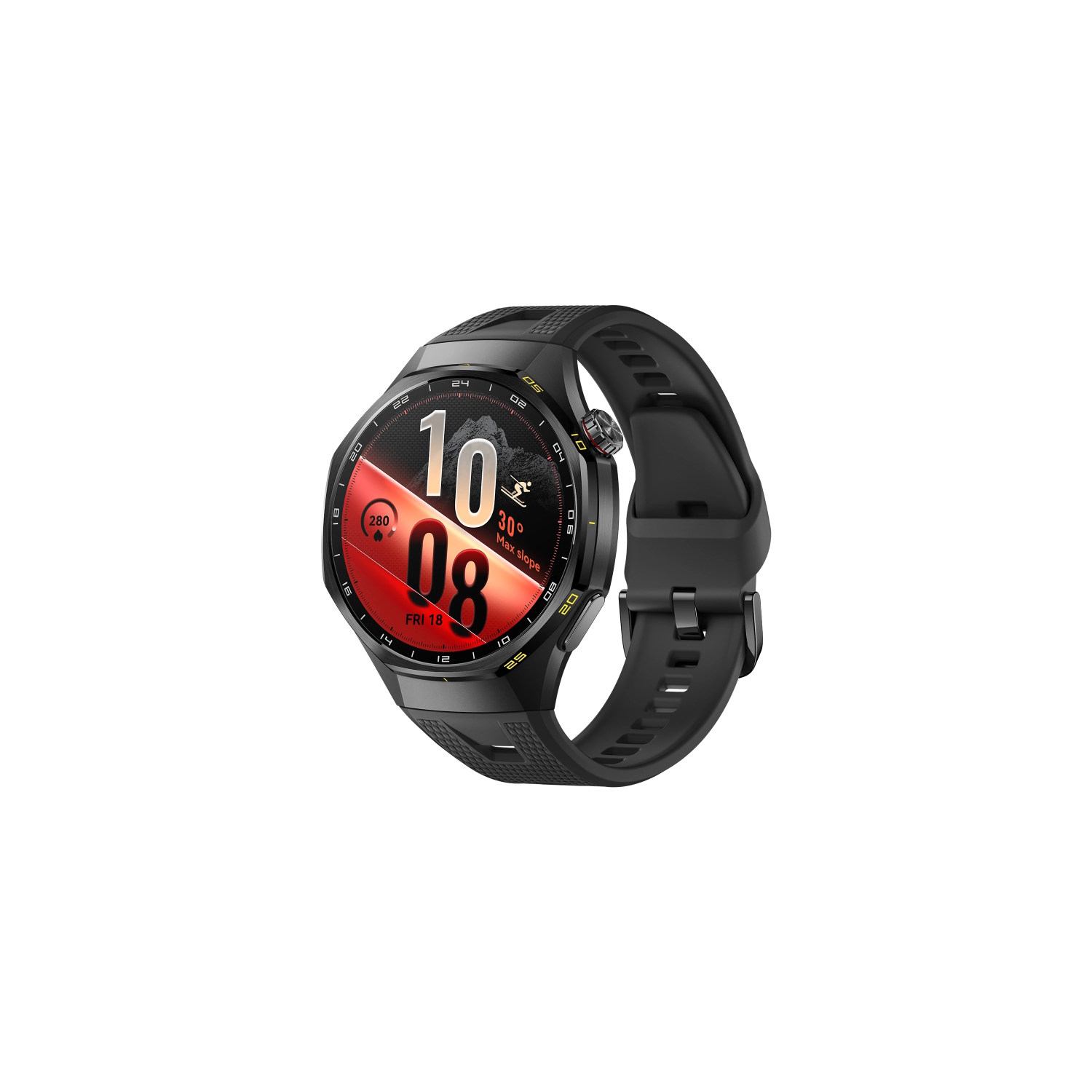
The Watch GT 7 Pro is HUAWEI’s most polished sports watch yet.
A nano-tech ceramic bezel and titanium-alloy frame give it a luxurious, scratch-resistant build, while battery life stretches to up to 21 days of light use. HUAWEI has also expanded its sports smarts, adding skiing and snowboarding modes with turn and G-force detection, offline maps for over 3,000 resorts, cycling climb planning, and a new Physical Readiness score.
Regional availability and app support vary, but if you want a stylish smartwatch that goes weeks between charges, the Watch GT 7 Pro is hard to beat.
- Premium titanium build
- LTE and satellite messaging
- Bright 3,000-nit AMOLED display
- Solar charging on select models
- Very expensive
- Reported GPS issues with third-party apps
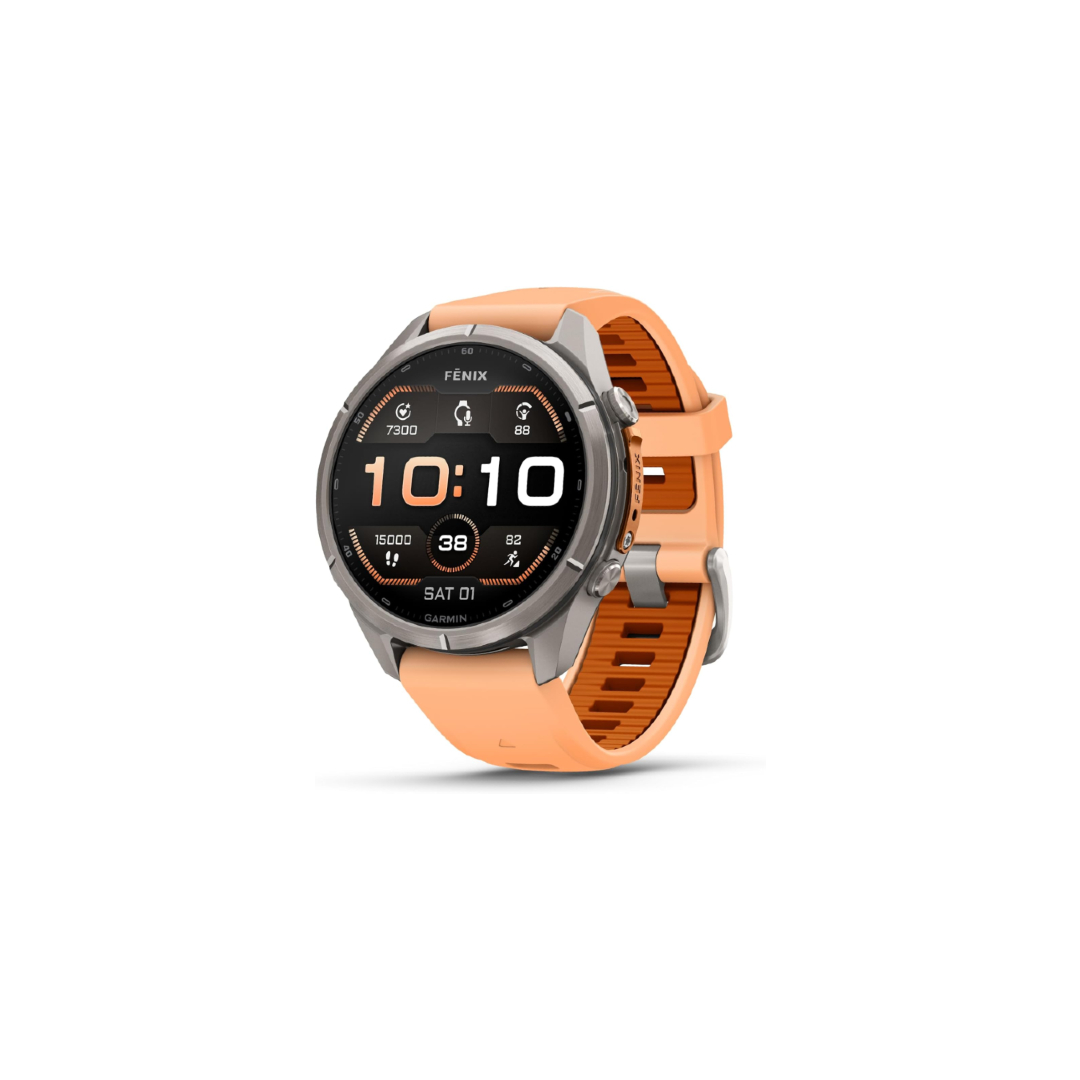
Garmin’s Fenix line has long been the go-to for serious adventurers, and the Fenix 9 Pro raises the bar again.
It’s Garmin’s first Fenix line watch with a titanium case, and the 51mm model also debuts Garmin’s first 1.5-inch AMOLED display, peaking at 3,000 nits. Built-in satellite, LTE, and SOS support mean it works without a phone, while a faster map engine, 64GB of storage, and a flashlight with a new night-vision-friendly green mode make it a complete backcountry companion.
Starting at $1,099.99, the Fenix 9 Pro is the ultimate tool for athletes and explorers who want one watch for everything.
The Best Smartphone Accessories of 2026
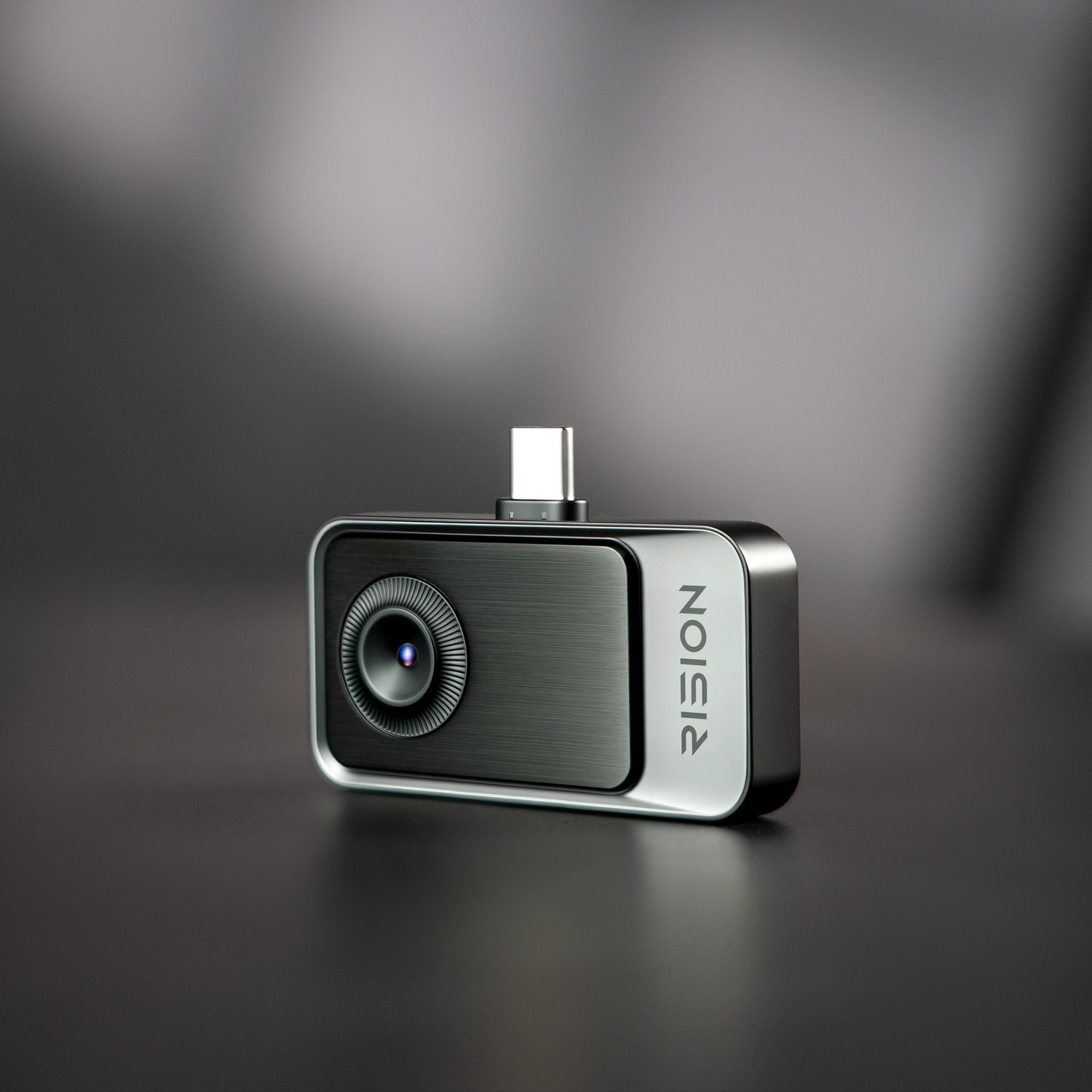
- Easy to use
- Compact and highly portable
- Useful for electronics and home diagnostics
- Feature-rich app
- Works with Android and iOS
- Display resolution lacks fine component-level detail
- Some calibration can be finicky
- $299 isn't cheap
Thermal imaging used to require expensive, dedicated hardware. The RISION Magic Pro turns your phone into a thermal camera with a simple USB-C connection.
Plug it into a smartphone, tablet, or Windows device, and you can spot heat leaks around windows, check electrical connections, or find a hidden pipe behind a wall. It’s a genuinely useful tool for DIYers, homeowners, and tinkerers alike.
At $219, the Magic Pro is a clever addition to the kit of anyone who has ever wanted thermal vision on demand.

Physical keyboards on phones are back, and the Clicks Power Keyboard is the most flexible way to get one.
It snaps onto any magnetic phone via MagSafe or Qi2, slides up to reveal clicky, backlit keys, and doubles as a 2,150mAh power bank. It connects over Bluetooth to up to three devices, so it works just as well with a tablet, TV, or computer.
Typing takes some getting used to, but for anyone who misses tactile keys, the Clicks Power Keyboard is a fun and useful accessory.

- Fast Qi2.2 wireless charging (up to 25W)
- Large 10,000mAh capacity for its size
- Strong magnetic attachment
- Compact and portable design
- Versatile wired charging (up to 45W)
- Durable build quality
- Qi2.2 benefits limited to a small number of devices
- Wireless charging still relatively slow for full recharges
- Gets warm during wireless charging
The INIU SnapGo Air proves magnetic power banks don’t have to be bulky.
It packs 10,000mAh into a body just 13.8mm thick, with a premium metal build and a soft-touch finish. Qi2.2 support delivers 25W of wireless charging to compatible phones, while the built-in USB-C cable offers 45W wired charging and makes recharging the bank itself a breeze.
At $54.99, it’s a slim, fast, and affordable companion for any magnetic phone.
The Best Design of 2026

- Very light at 4.8g per bud
- LDAC support
- Long total battery life
- Multipoint connectivity
- Best audio quality requires a HUAWEI phone
- Charging case isn't water resistant
Great design often means sweating the details you never notice, and the HUAWEI FreeBuds Neo are a perfect example.
HUAWEI reshaped each bud using ear-fit data, and at around 4.8g apiece, they’re light enough to forget you’re wearing them. They come in four striking finishes, Stellar Silver, Nebula Pink, Ice White, and Starry Black, and the compact design doesn’t compromise on features, with adaptive noise canceling, spatial audio, and dual-device connections across Android, iOS, and Windows.
At £119.99, the FreeBuds Neo prove that thoughtful, comfortable design doesn’t have to cost a fortune.
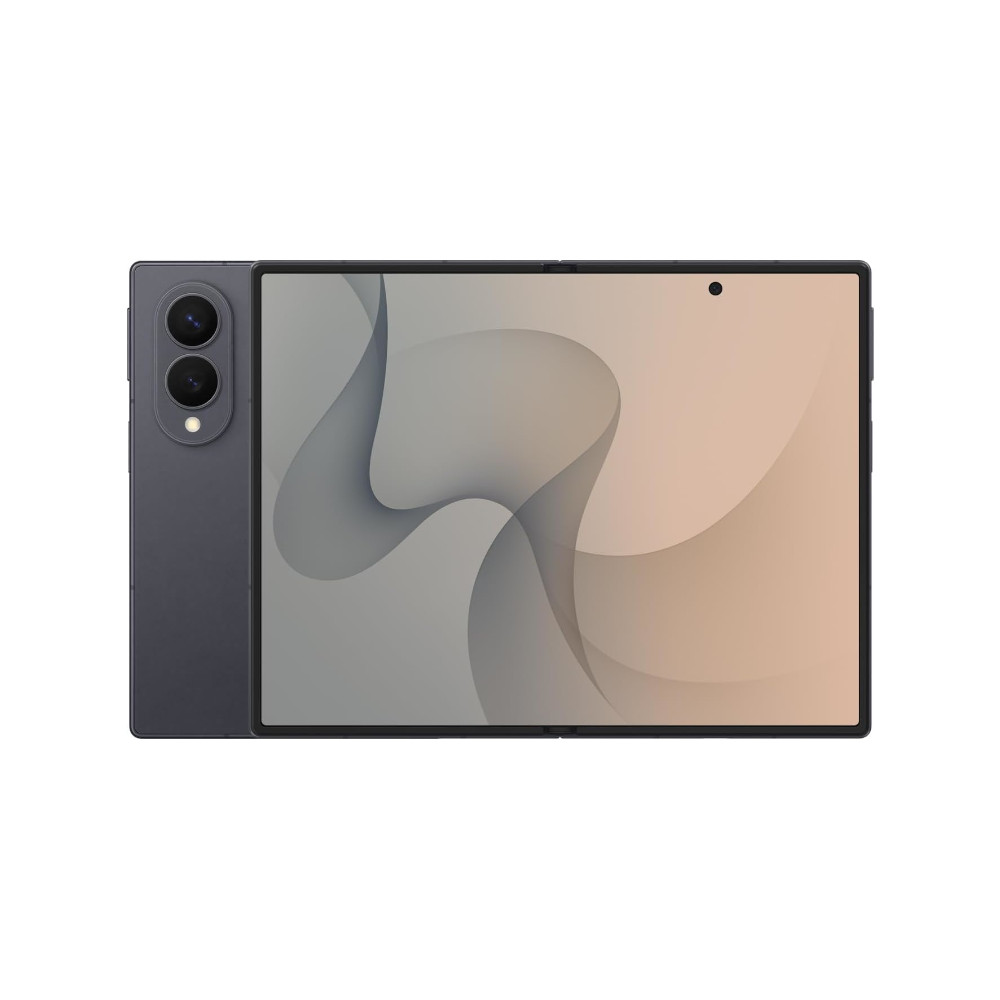
- Inner screen is great for videos
- Compact design
- Powerful
- Good battery life
- Long update policy
- Poor IP rating
- No telephoto camera
- No S Pen support
- No Flex Mode
The Galaxy Z Fold 8 finally sees Samsung bring the wide-style book foldable to the mainstream.
Its wider form factor turns the inner screen into a fantastic canvas for videos, while the overall design remains compact enough for everyday carry. Strong performance, good battery life, and a long update policy make it as practical as it is striking.
It skips a few Ultra extras, but as a fresh take on what a foldable can look like, the Fold 8 is one of the year’s best-designed devices.
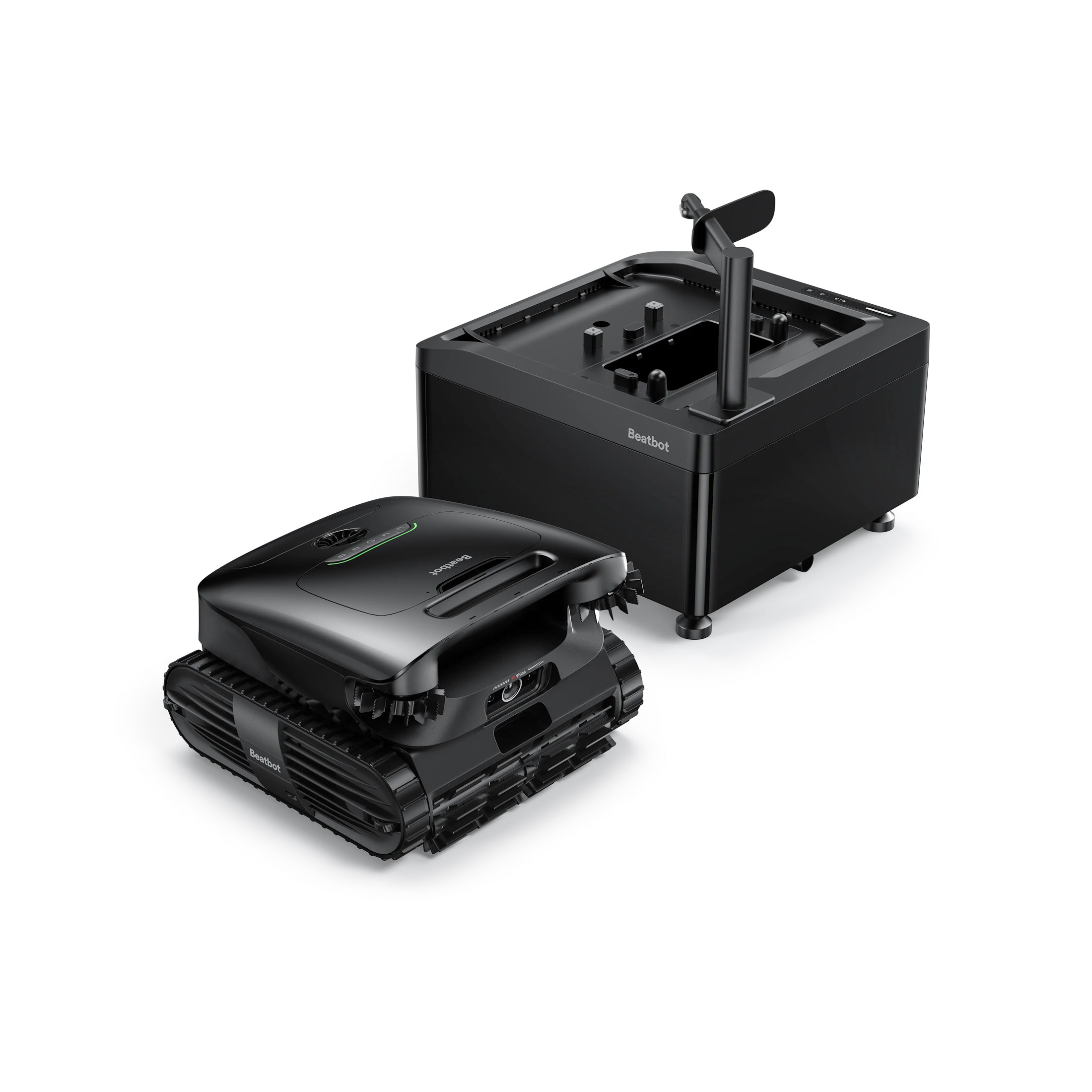
- Almost fully hands-off
- Thorough all-surface cleaning
- Up to 10 hours of runtime
- Voice assistant support
- Extremely expensive
- Optional clarifier cartridges cost extra
Pool robots rarely win design awards, but the Beatbot AquaSense X rethinks the whole experience.
Its AstroRinse Cleaning Station backflushes the robot’s filter and sends debris into a disposable bag that can last up to two months, so you rarely have to touch it. HybridSense AI Vision identifies dozens of debris types, and a single cycle covers floors, walls, the waterline, and the surface.
The AquaSense X is a pool cleaner designed around the owner, not just the pool, and it was also a CES 2026 Innovation Awards honoree.
The Best Fitness Trackers of 2026
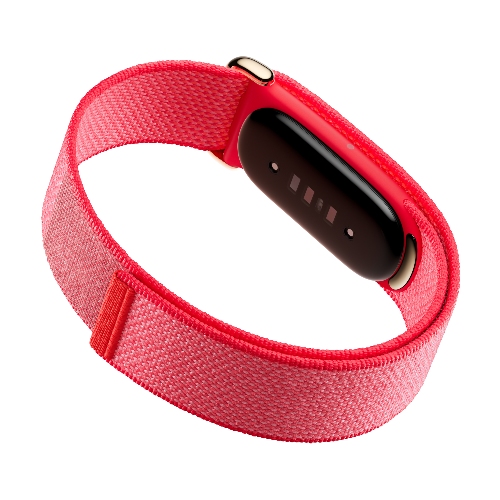
- Extremely comfortable, lightweight design
- Screenless experience is refreshingly low-maintenance
- Excellent sleep tracking
- Strong battery life
- Solid passive tracking experience
- Very competitive price point
- No onboard GPS
- Heart rate accuracy good, but not great
- Workouts with auto-detection limited
- Health Coach can be overly chatty and optimistic
- Google Health app needs refinement
At $99, the Google Fitbit Air undercuts most rivals by a wide margin, and it gives up surprisingly little for the savings. Skipping the screen is a deliberate choice, not a cost cut. There are no notifications to dismiss and no watch face to fuss over, just a lightweight band comfortable enough to wear around the clock.
That all-day wear is what makes it work. Runners who need onboard GPS should look elsewhere. For everyone else, passive tracking runs quietly in the background, battery life is strong, and sleep tracking is excellent, all from a tracker that otherwise stays out of the way.

- Dramatically smaller, more comfortable design
- Premium, durable titanium build
- Excellent battery life
- Strong overnight heart rate and HRV accuracy
- Excellent sleep tracking
- Advanced proactive health insights
- Expensive upfront price
- Requires an ongoing subscription
- Portable charging case still isn’t included
- Not a major upgrade if you already own and like the Ring 4
- Not ideal as an athlete’s primary fitness tracker
Sleep tracking is where smart rings earn their keep, and nobody does it better than Oura. The Ring 5 pairs accurate overnight heart rate and HRV readings with proactive health insights that tell you something useful, rather than just handing you a score.
A subscription is still required, but in return you get the most refined hardware Oura has made. The Ring 5 is dramatically smaller than its predecessor, its titanium shell is built for daily knocks, and battery life is long. Within a few days, the main thing you’ll notice is how quickly you stop noticing it.

- Refined, square-shaped build
- Upgraded, 1.92-inch display
- Standout multi-day battery life
- Reliable GPS and heart rate tracking
- Robust training tools and sport modes
- Moderate upgrades over previous generation
- Limited third-party app support
- Regional limitations
- No LTE model
The Watch Fit 5 Pro isn’t a dramatic leap over its predecessor, and it didn’t need to be. HUAWEI’s Watch Fit line has long sat somewhere between fitness tracker and smartwatch, and this generation sharpens what already worked. It has a refined square design, an upgraded 1.92-inch display, and battery life measured in days rather than hours.
Where it pulls ahead is training. GPS and heart rate tracking are reliable, and HUAWEI’s deep library of sport modes and training tools gives serious athletes more to work with than most rivals in this class. Treat it as a fitness device first and you won’t miss what it skips: broad third-party app support and an LTE option.
The Best Earbuds of 2026
- Great sound quality
- Excellent ANC and Isolation
- Solid features
- Comfortable fit
- Great mic quality
- Price
- Sound changes with ANC off
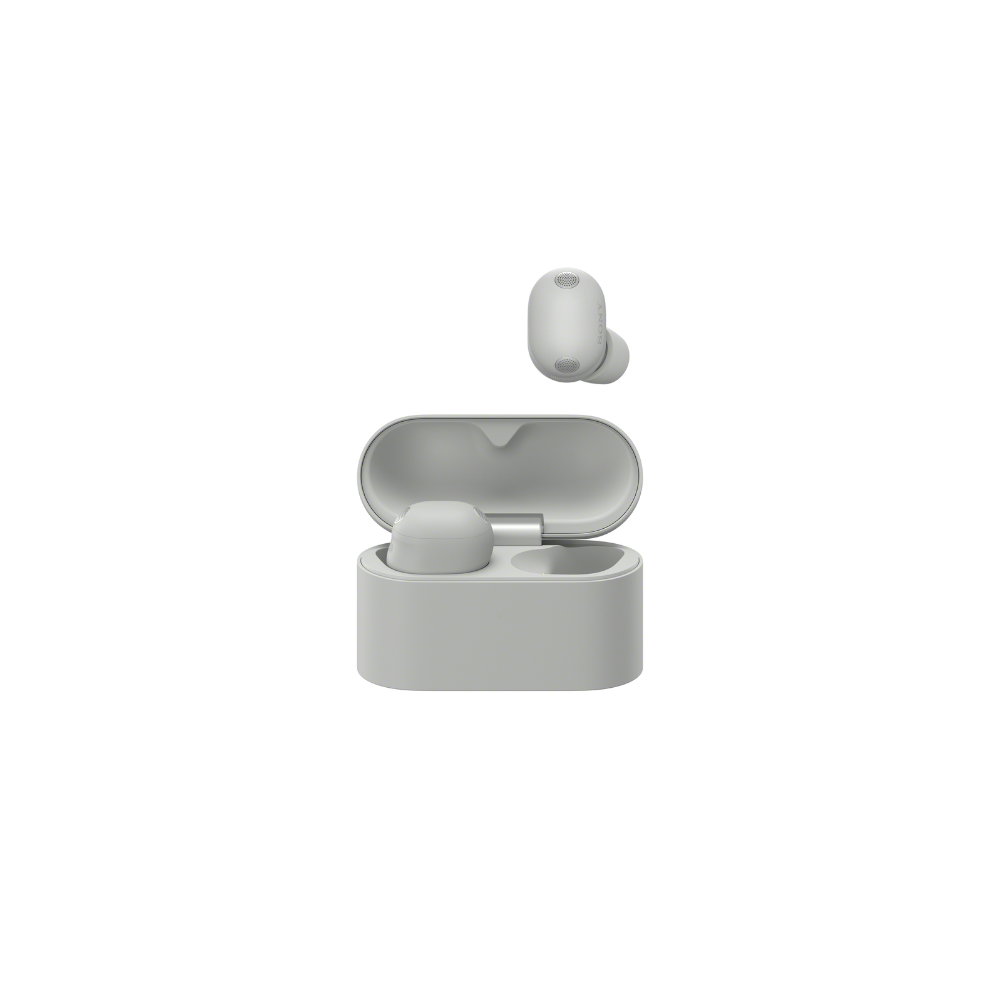
Switch on noise canceling, and the Sony WF-1000XM6 shut out the world more convincingly than any Sony earbuds before them. Excellent isolation does much of the work, and the active noise canceling handles the rest. A redesigned, comfortable fit means you can keep them in for hours without thinking about it.
Sound quality is great, the microphones keep you clear on calls, and Sony’s feature set covers everything a premium pair should. The tuning shifts with ANC turned off, but noise canceling this good is the reason to buy them. Sony has set the standard for flagship earbuds for years, and the XM6 keep it there.
- Sound quality
- Noise cancelation
- User-replaceable battery
- Shareable EQ presets
- No stabilizer
- Price
- Odd highs
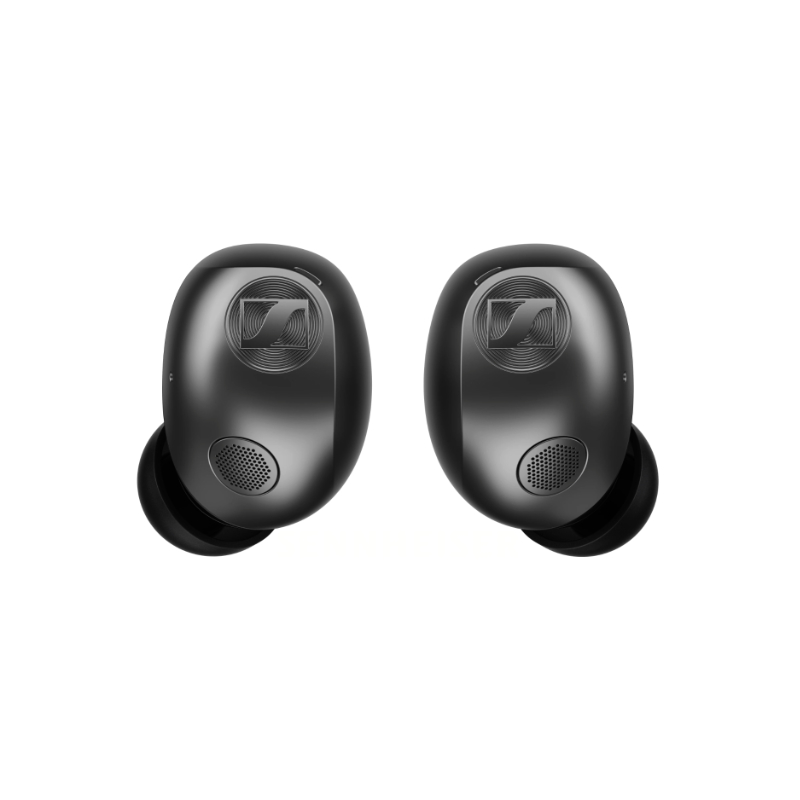
Most earbuds come with an expiration date: once the battery wears out, the whole pair is done. The Sennheiser Momentum True Wireless 5 break that cycle with a user-replaceable battery, something almost no competitor offers. At $299.95, that longevity is a big part of the value.
Sound quality is excellent, adaptive noise canceling outperforms most earbuds we’ve tested, and shareable EQ presets make fine-tuning easy. Without a stabilizer fin, they’re better suited to commutes than workouts, and anyone with a compatible phone gets the bonus of aptX Lossless.
- Great audio quality
- Solid noise canceling
- Slick design
- Good battery life for earbuds
- Plenty of software features
- Many features require Samsung device
- Slightly spongy controls
- No LDAC support
- No Fast Pair
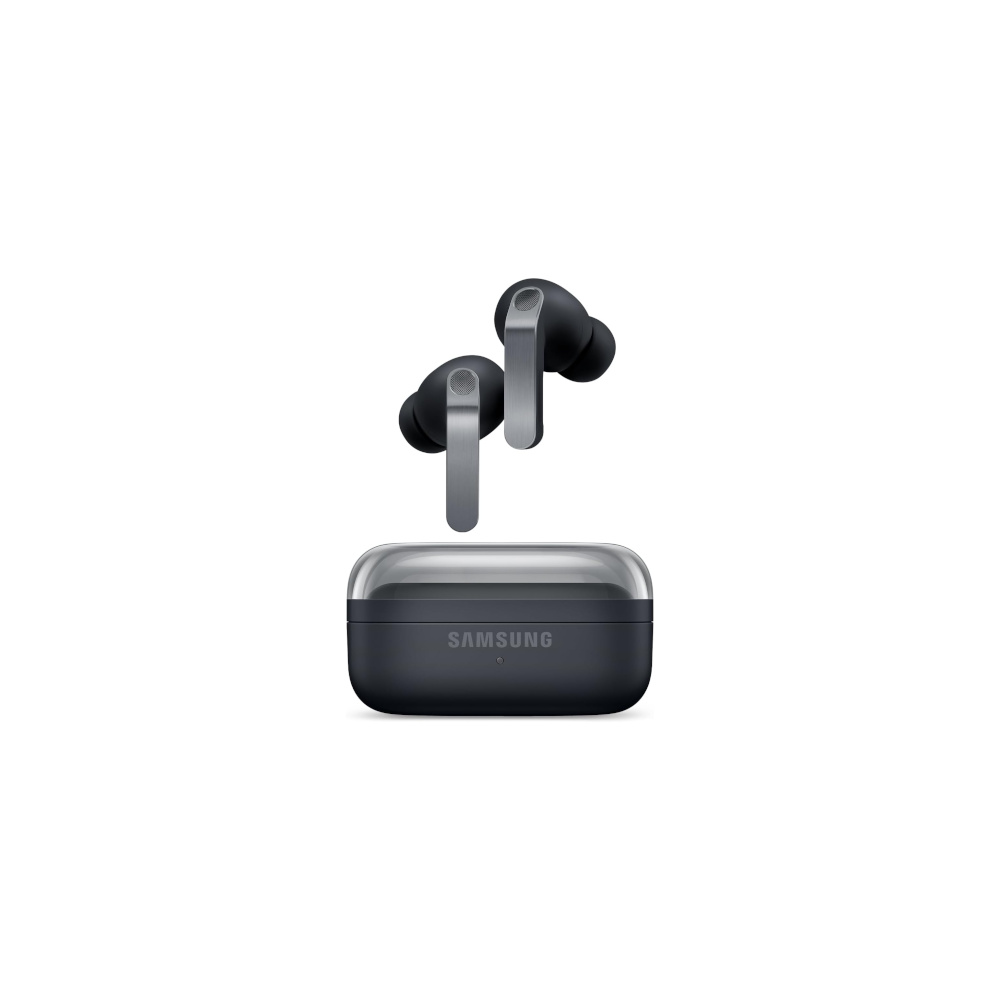
The Samsung Galaxy Buds 4 Pro are built for one audience, and they serve it better than anything else. Pair them with a Galaxy phone and Samsung-exclusive features open up, turning strong-sounding earbuds into an extension of the phone in your pocket.
There’s no multipoint support for jumping between devices, but the Buds 4 Pro sound great for the money and undercut some pricier rivals. Auracast support also prepares them for the next generation of Bluetooth audio sharing, so they should age well on Galaxy phones still to come.
The Best Headphones of 2026

- Decent ANC
- Connectivity
- Replaceable battery
- Battery life
- Treble extension
- No ingress protection rating
The most important feature of the Sennheiser Momentum 5 Wireless is one you may not need for years. Like their earbud siblings, they have a replaceable battery, so a fading cell means a quick swap rather than a trip to the e-waste bin. Few premium ANC headphones are built with that kind of lifespan in mind.
Day to day, they hold their own against any flagship. Battery life is a highlight, connectivity is first-rate, and noise canceling is solid, all wrapped in Sennheiser’s refined design. With no ingress protection rating, they’re best kept out of the rain, but treat them well and they should still be going long after rivals have been retired.

- Price
- ANC
- Features
- Comfort
- Battery life
- Odd stock sound
- Difficult to EQ
You can spot a pair of Nothing headphones from across the room, and the Nothing Headphone (a) bring that look to a far friendlier price than last year’s debut model.
Noise canceling is effective, battery life is long, and they stay comfortable for hours. The feature set rivals pricier pairs. The stock tuning rewards a few minutes with the EQ, and the result is the rare budget-friendly pair that looks like a design statement, and one of the best-value over-ear headphones of 2026.
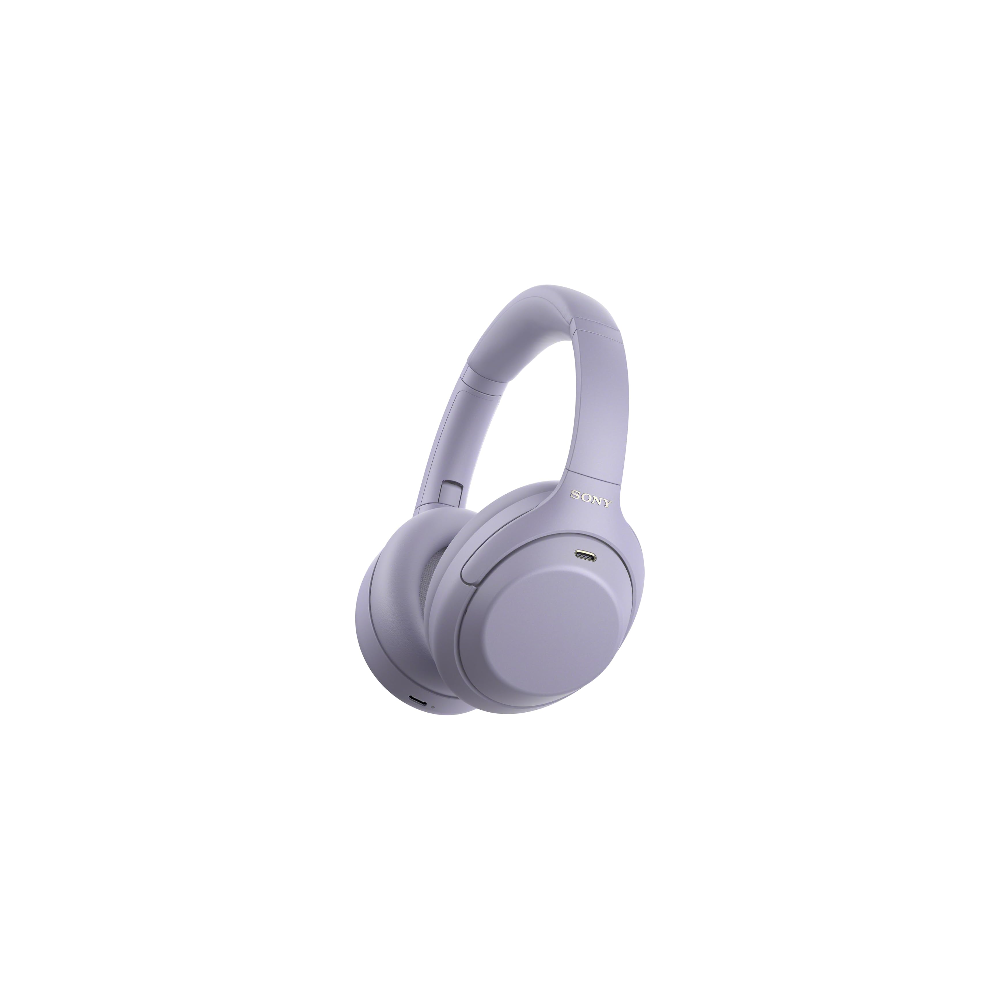
Sometimes the best new headphones are old favorites. The WH-1000XM4 were among the most beloved headphones ever made, and with the Sony WH-1000XM4C, Sony is bringing them back for 2026 at $299.99, less than the originals cost at launch.
The fundamentals are untouched: the classic swivel-fold design, the four-mic array, and the QN1 noise-canceling chip that made the originals a benchmark. Sony has refreshed the sound tuning and doubled the EQ from five bands to 10. Battery life still reaches up to 27 hours with ANC on. Black, Silver, and Lavender finishes round out a revival that’s hard to argue with.
The Best Bluetooth Speakers of 2026

- IP68
- Bass depth
- Audio over USB-C
- Ambient Lighting
- Swappable battery
- USB-C wall charger included
- Heavy
- Expensive
If the job is filling a backyard, the JBL Xtreme 5 is the speaker for it. A new woofer layout delivers deeper bass and more output than before, and an IP68 rating means pool splashes and dusty campsites aren’t a concern.
It’s a haul-to-the-party speaker rather than an everyday companion, and JBL has made ownership simple. Ambient lighting adds some flair, audio over USB-C adds flexibility, and a swappable battery extends its useful life. A USB-C wall charger even comes in the box, which is becoming rare.
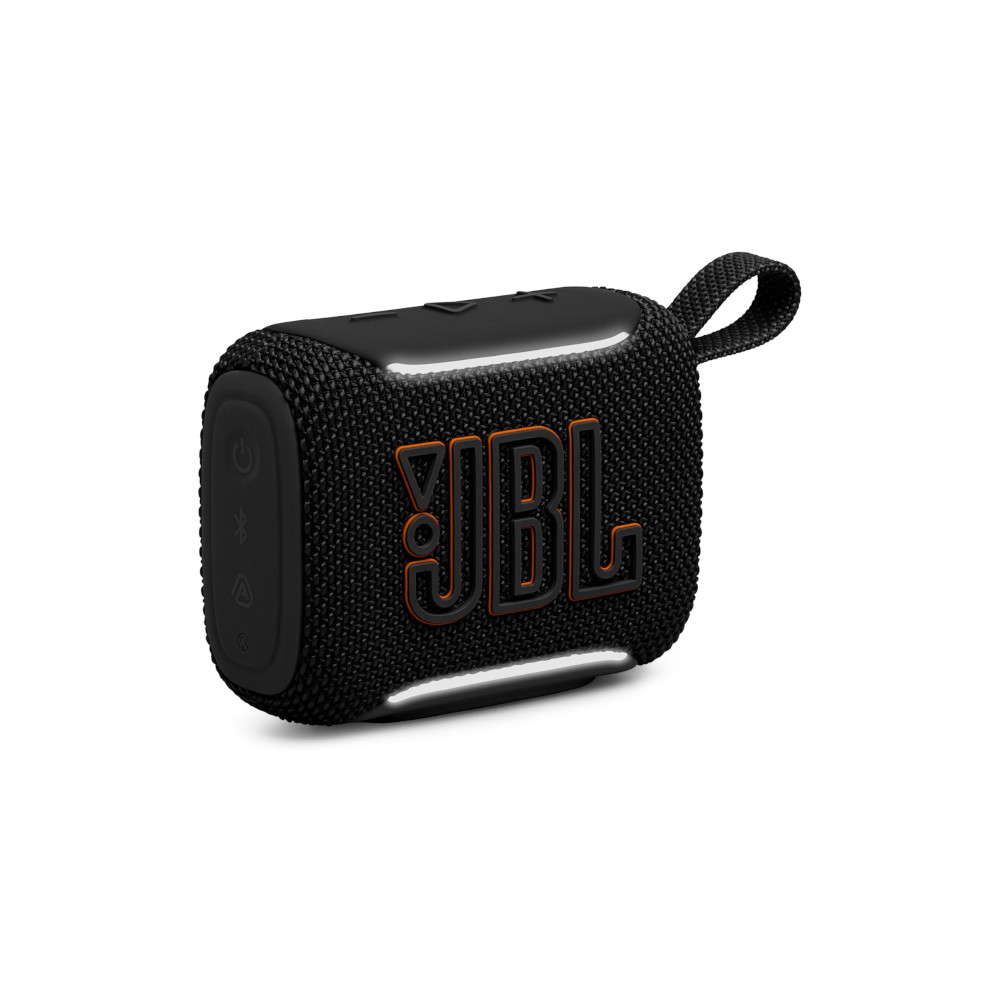
- IP68
- Ambient lighting
- 7-band EQ
- Lightweight and easy to carry
- AirTouch for quick pairing a second Go 5
- Limited volume and bass performance
- No light color customization
Buy one JBL Go 5 and you get a capable pocket speaker. Buy two and AirTouch pairs them for stereo sound in seconds. It’s a fitting summary of the Go 5: small upgrades that make an already easy speaker even easier to live with.
Physics caps how much volume and bass something this small can produce, but it’s light, IP68-rated, and now adds ambient lighting and a seven-band EQ. As the speaker that goes in a bag, onto a desk, or into the shower without a second thought, it’s still the one to beat.

- IP67
- Apple AirPlay 2
- Wi-Fi and Bluetooth
- Charging dock included
- Price
- App needs Wi-Fi to work
For anyone already running Sonos at home, the Sonos Play finally makes the system portable. It joins your multi-room setup over Wi-Fi, switches to Bluetooth when you leave the house, and supports Apple AirPlay 2.
Setup requires Wi-Fi, and its IP67 rating covers the patio, the beach, and the occasional drop in the pool. Sonos also includes something rivals usually charge extra for: a charging dock. Set it down when you get home, and it’s topped up and ready the next time you head out.
The Best Gaming Headsets of 2026

- Great competitive FPS performance
- Improved bass response
- 80+ hour battery
- No noise cancelation
- Missing simultaneous wireless connections
- Heavy and uncomfortable over long hours
In competitive shooters, hearing footsteps first is half the battle, and the Audeze Maxwell 2 is tuned around that. Its improved bass response adds weight to explosions and gunfire without muddying the cues that matter, keeping enemy movement clear in competitive FPS titles.
It can’t mix audio from Bluetooth and the dongle, so multi-device setups take some juggling. Battery life of more than 80 hours means charging rarely crosses your mind, though, and the sequel sharpens a favorite of serious players for the people who play to win.

- Up to 4 Simultaneous connections
- Doesn't drop sound quality with multiple connections
- "Infinite Power System"
- Great for competitive gaming
- Comfortable
- Great ANC
- Painfully sibilant at times
- Unnatural sounding microphone
The SteelSeries Arctis Nova Pro Omni never has to come off your head to charge. Its Infinite Power System keeps a spare battery topped up while you play, and that same no-compromise thinking runs through the rest of the headset.
It handles up to four simultaneous connections without sacrificing sound quality, making it the obvious hub for anyone switching between PC, console, and phone. ANC is strong, it stays light on the head over long matches, and it holds up well in competitive games. Treble can run a little bright, but it’s one headset for every device on the desk.

- Great for tactical shooters
- Ergonomic earpads
- Low Noise floor
- Great microphone
- Heavy on the head
- Disappointing build quality
- Annoyingly sibilant
The Turtle Beach Stealth Pro II puts its effort where gamers will notice it most: sound. Its tuning makes enemy positions easy to pinpoint in tactical shooters, and a low noise floor keeps that audio clean when every footstep counts.
Its microphone keeps callouts clear for your team, and ergonomic earpads keep the headset comfortable through marathon sessions. For players who care most about what they hear and how they’re heard, the Stealth Pro II delivers where it matters.
The Best Smart Home Products of 2026
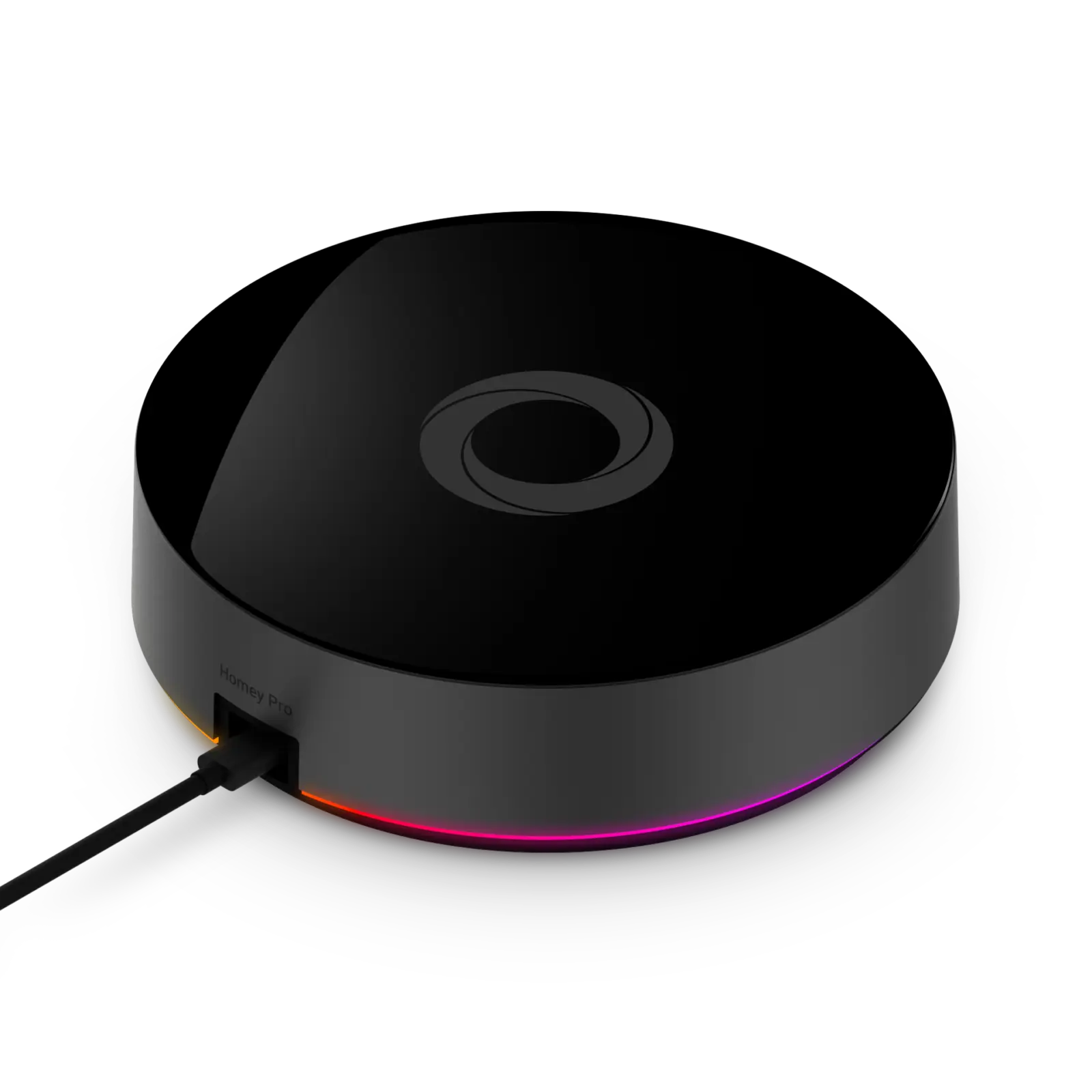
- Double the RAM of the 2023 model
- Works with devices from over 1,000 brands
- No subscription fees
- Long support commitment
- Expensive
- Same hardware as the 2023 model apart from RAM
A smart home hub is a long-term bet, and Athom now promises to support the Homey Pro (2026) through 2031. Few promises matter more for a device you’ll build your entire home around.
It’s ready for whatever you connect to it, with support for Matter, Thread, Zigbee, Z-Wave, infrared, Wi-Fi, and Bluetooth LE. Flows, dashboards, energy monitoring, and logic all run locally rather than in the cloud. Doubling the RAM to 4GB lets it juggle more than 100 apps, and it earns its $399 price by replacing a drawer full of single-brand bridges.
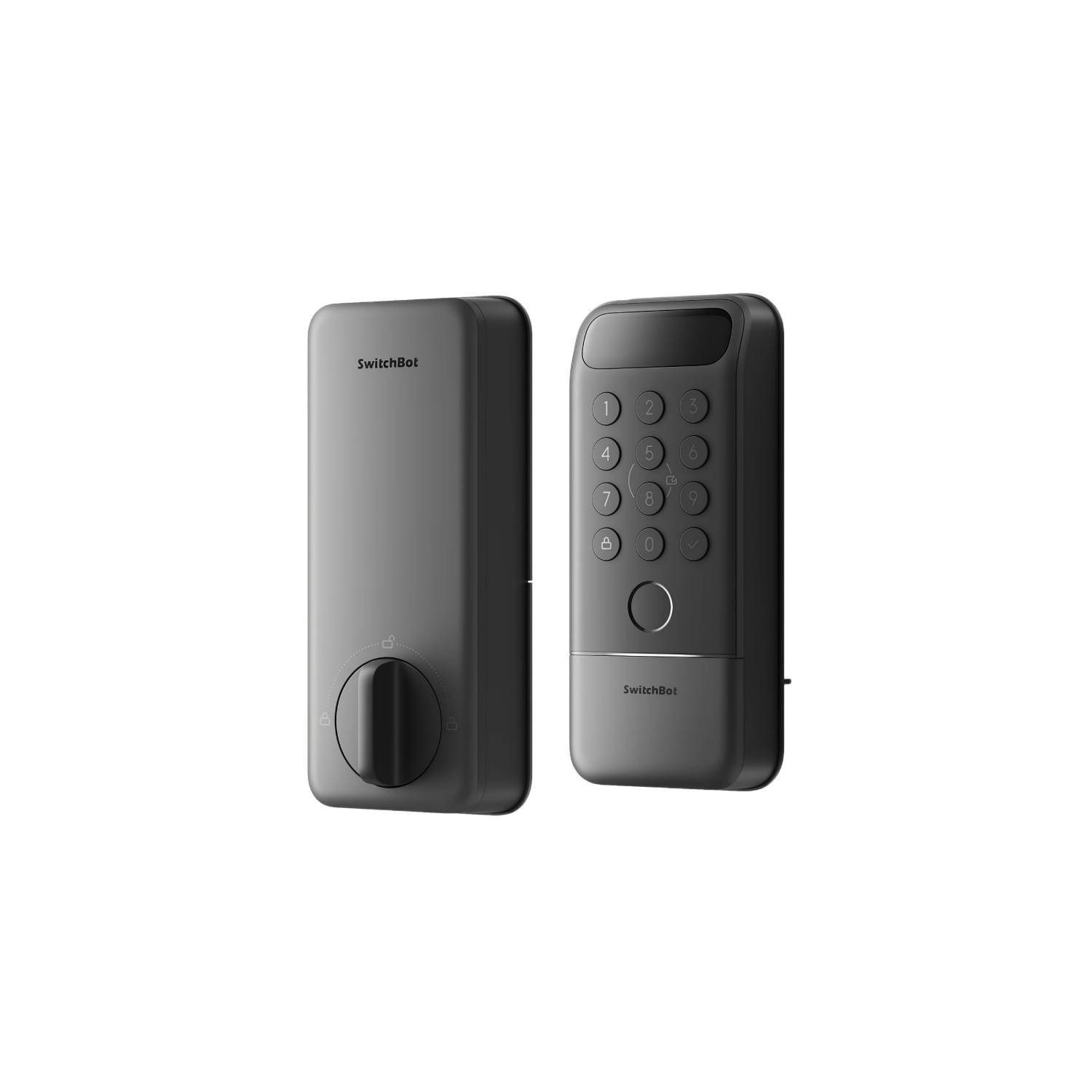
- Fantastic assortment of biometric options
- Multiple redundant power backup systems
- Easy installation and smart home integration
- Reasonably priced
- Plastic body doesn't feel incredibly robust
- App experience lacks polish
- Magnetic door sensor is a bit awkward
The worst moment with any smart lock is a dead battery at the front door. The SwitchBot Lock Vision Pro plans for it with multiple redundant power backups, so a flat cell doesn’t leave you stuck outside.
The rest of the time, a fantastic range of biometric options, including 3D facial recognition, makes getting in effortless. Installation is easy, smart home integration is strong, and at $229.99, few smart locks do more.
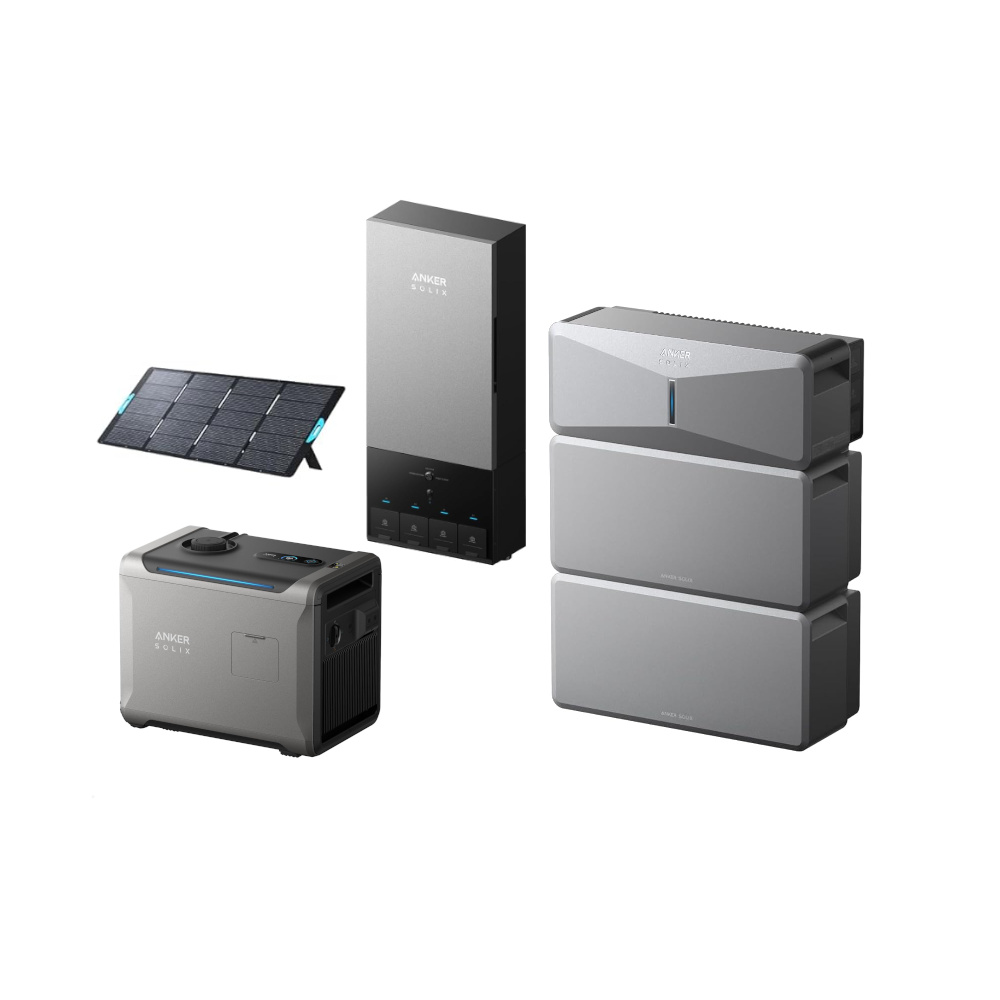
- Highly configurable
- Infinite backup power
- Installation arranged by Anker
- Many standalone components
- Can be very expensive
- Requires professional install
Backup power usually forces a choice between a noisy generator and a limited battery. The Anker SOLIX E10 refuses to pick. Anker bills it as the world’s first smart hybrid whole-home backup solution, pairing a gasoline, natural gas, or propane generator with a solar- and battery-powered inverter.
The system draws on whichever source makes the most sense at the moment, whether that’s sunshine, stored power, or fuel. Integrated systems start at $4,299, and for households where outages are a regular occurrence, that’s the price of making the next one a non-event.
The Best Indoor Gadgets of 2026
- Backlit remote buttons
- Sleek design
- Great streaming performance
- Plenty of storage
- Lost remote finder
- Hands-free Gemini
- Limited Ethernet port speed
- Only 3GB RAM
- Minimal upgrades over the 2024 model
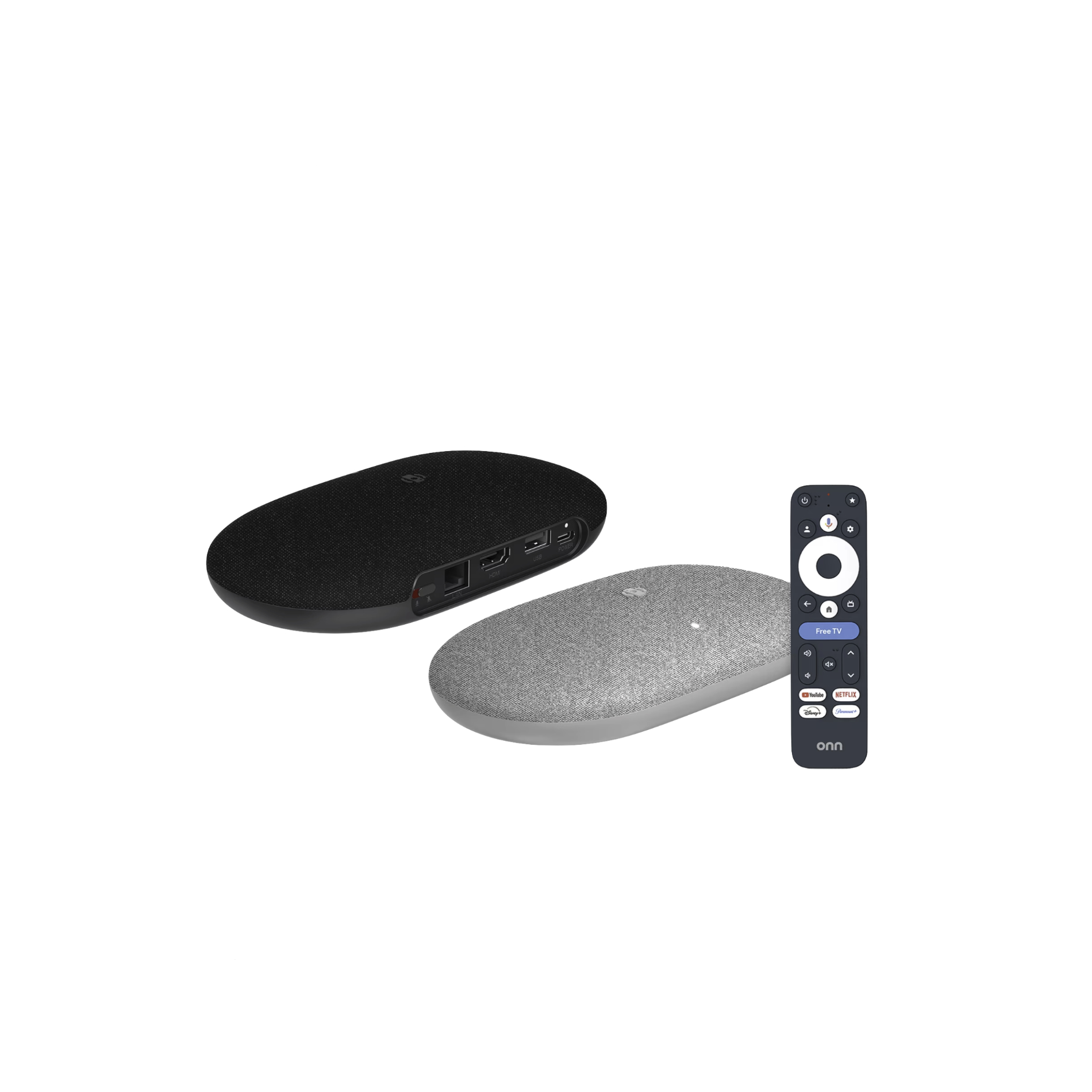
The Walmart Onn 4K Pro (2026) costs $59.98 and still matches Google TV boxes that cost several times as much. Streaming performance is great, storage is plentiful, and the sleek design hides well under any TV.
The remote gets the most meaningful upgrades, adding backlit buttons and a lost remote finder for when it vanishes into the couch. Hands-free Gemini support lets it double as a smart home companion. Anyone shopping for a streamer should start here.
- Excellent writing experience
- Focused and distraction-free
- Thin, lightweight hardware
- Strong battery life
- Useful productivity tools when needed
- Great folio case
- Expensive with expensive accessories
- No front light
- Limited reading ecosystem
- No Type Folio support
- Subscription-gated features
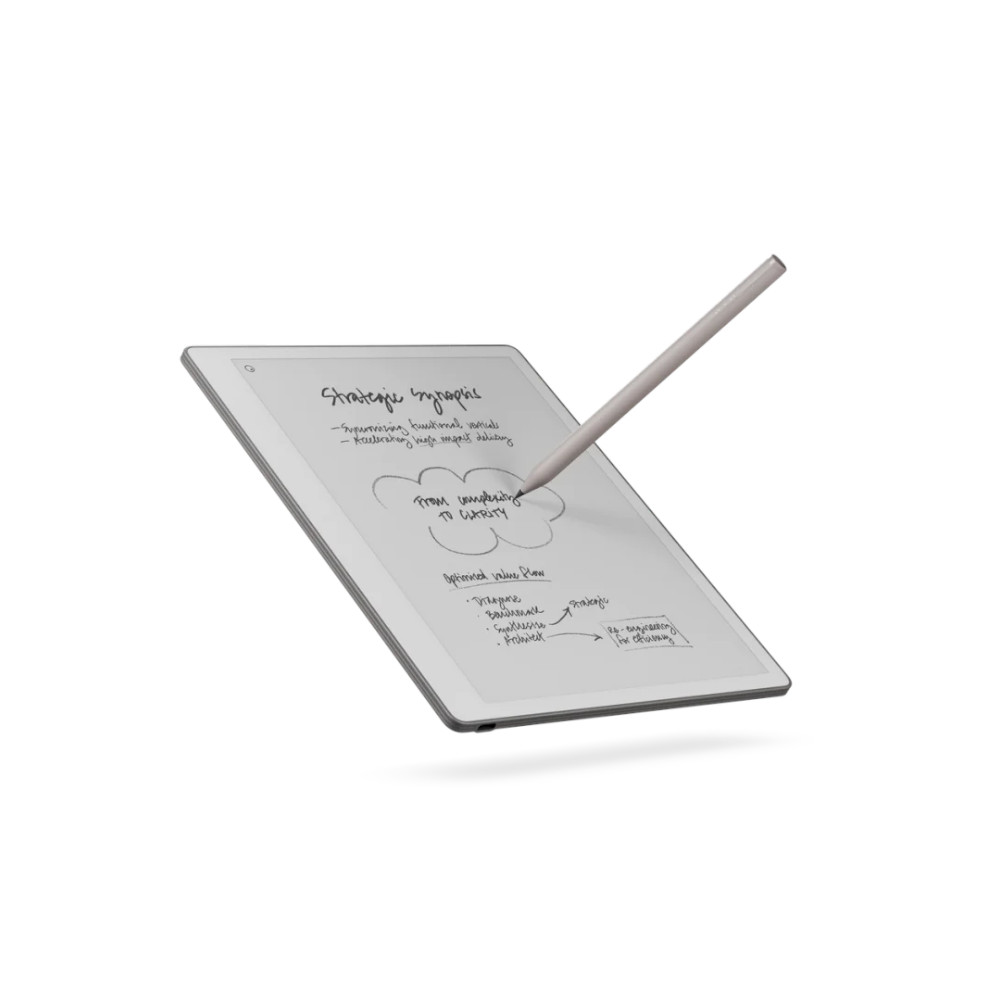
The $399 reMarkable Paper Pure does less than a tablet, and that’s exactly why it’s here. It’s designed for distraction-free thinking, and its writing experience is excellent, the closest thing to pen and paper this side of an actual notebook.
The thin, lightweight hardware slips into any bag, and battery life is strong. Productivity tools are there when you need them and out of the way when you don’t. Pair it with the folio case, and it’s one you’ll carry everywhere.
- Attractive walnut finish
- Adjustable task light
- Smart home integration via Matter
- Sturdy design
- Power adapter not included
- Pricey for a monitor riser
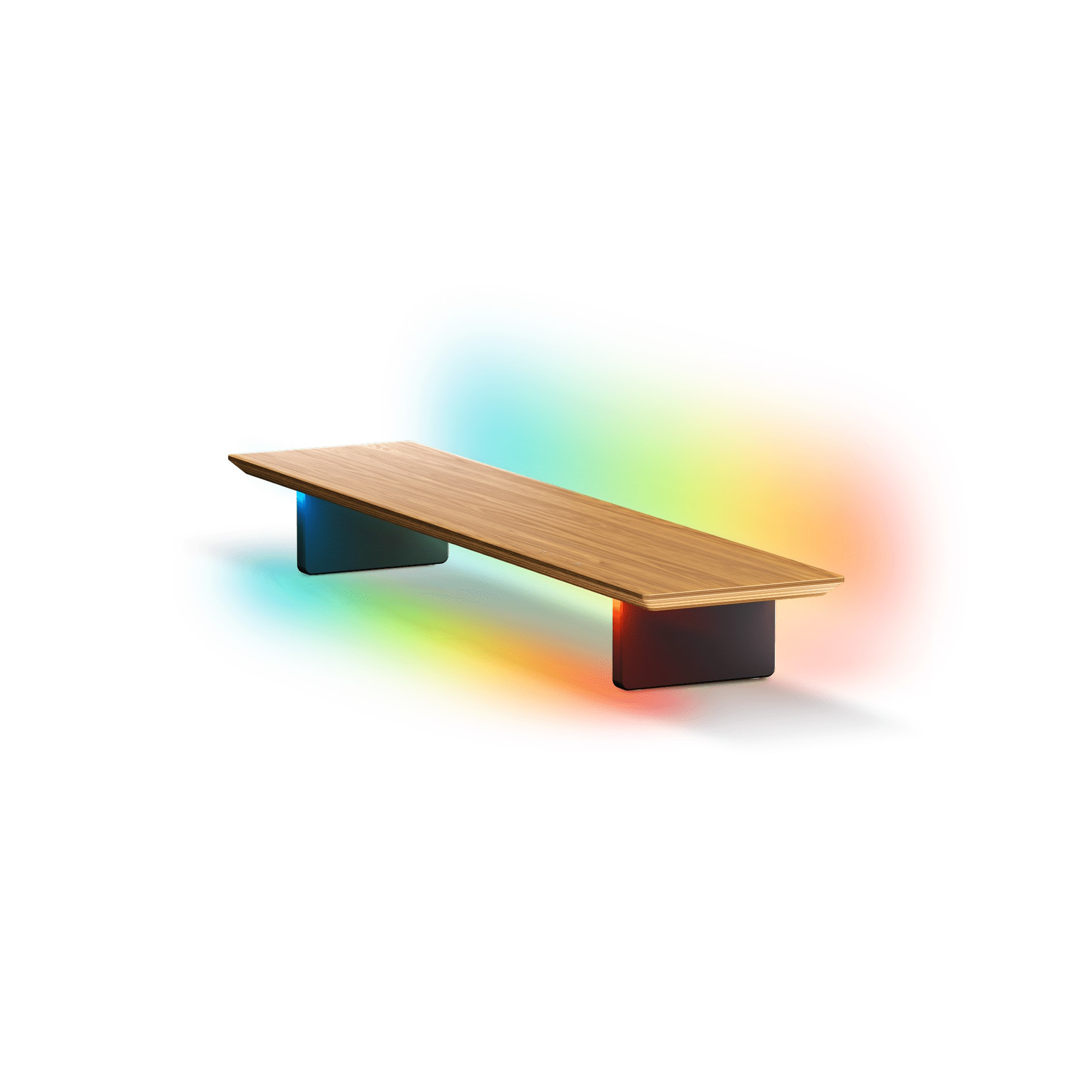
Most monitor stands just lift your screen. Nanoleaf’s Smart LED Monitor Stand lights your whole desk. A 550-lumen front task light handles work, and a rear ambient glow spreads across 160 degrees. Its 102 individually addressable LED zones can follow your display in Screen Mirror mode.
The walnut-veneered riser supports Matter over Thread, works with every major smart home platform, and includes mounting points for cameras, mics, and arms. At $169.99, it’s a stylish upgrade; just budget for a USB-C PD power supply, which isn’t included.
The Best Outdoor Gadgets of 2026

- Bright picture
- IP56 all-weather build
- Google TV integration
- Impressive screen-to-body ratio
- Loud fan
- Poor standard picture mode accuracy
Backyard movie nights used to mean wheeling out a projector or settling for a chunky, dim outdoor set. The Sylvox Frameless Pro looks like it belongs in a living room, with a screen-to-body ratio that makes typical outdoor TVs look dated, and it’s bright enough to hold up on patios and in gardens.
Its IP56 build withstands the weather year-round, so it can stay mounted outside through every season. Google TV puts all your streaming apps a click away. Once it’s set up, the best seat for movie night might be outside.
- Thermal imaging and night-vision cameras
- Tough IP68/IP69K-rated build
- Huge 10,000mAh battery
- 1TB of storage
- Hardware privacy kill switch for cameras and mics
- Capable Dimensity 8300 chipset
- Heavy and bulky
- Vague software update policy
- Mid-range gaming performance
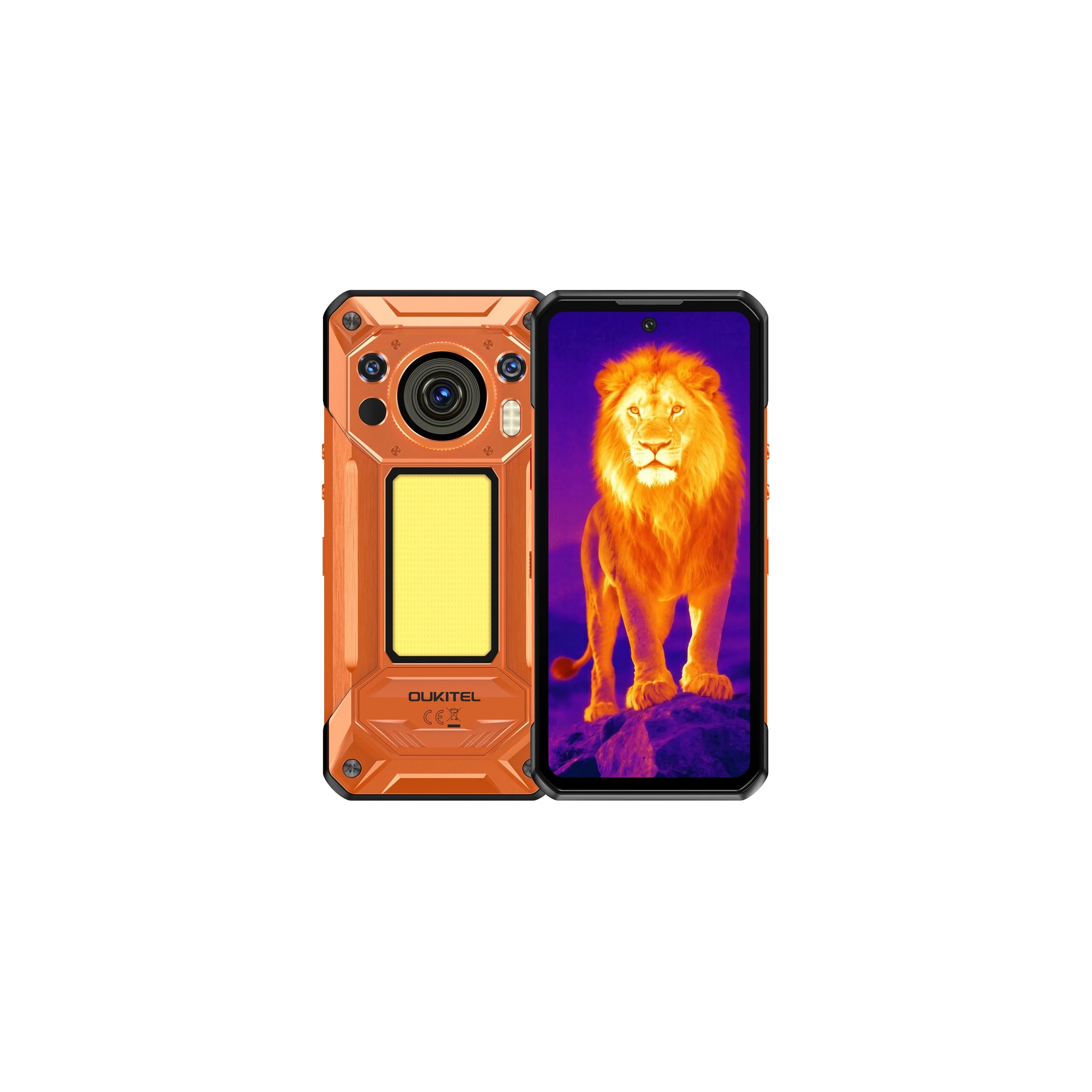
The Oukitel WP500 Ultra goes beyond surviving drops: it lets you see heat. Its thermal camera picks out overheating wiring, drafty windows, and wildlife after dark, and an infrared night-vision camera sits alongside a 108MP main shooter.
A 10,000mAh battery goes for days between charges, 1TB of storage leaves room for every offline map and photo, and a MediaTek Dimensity 8300 keeps things responsive. A hardware kill switch cuts the cameras and microphones when privacy matters.
At over 400g, it’s heavy even by rugged standards, but for hikers, tradespeople, and anyone who works outdoors, it packs tools no mainstream flagship offers.
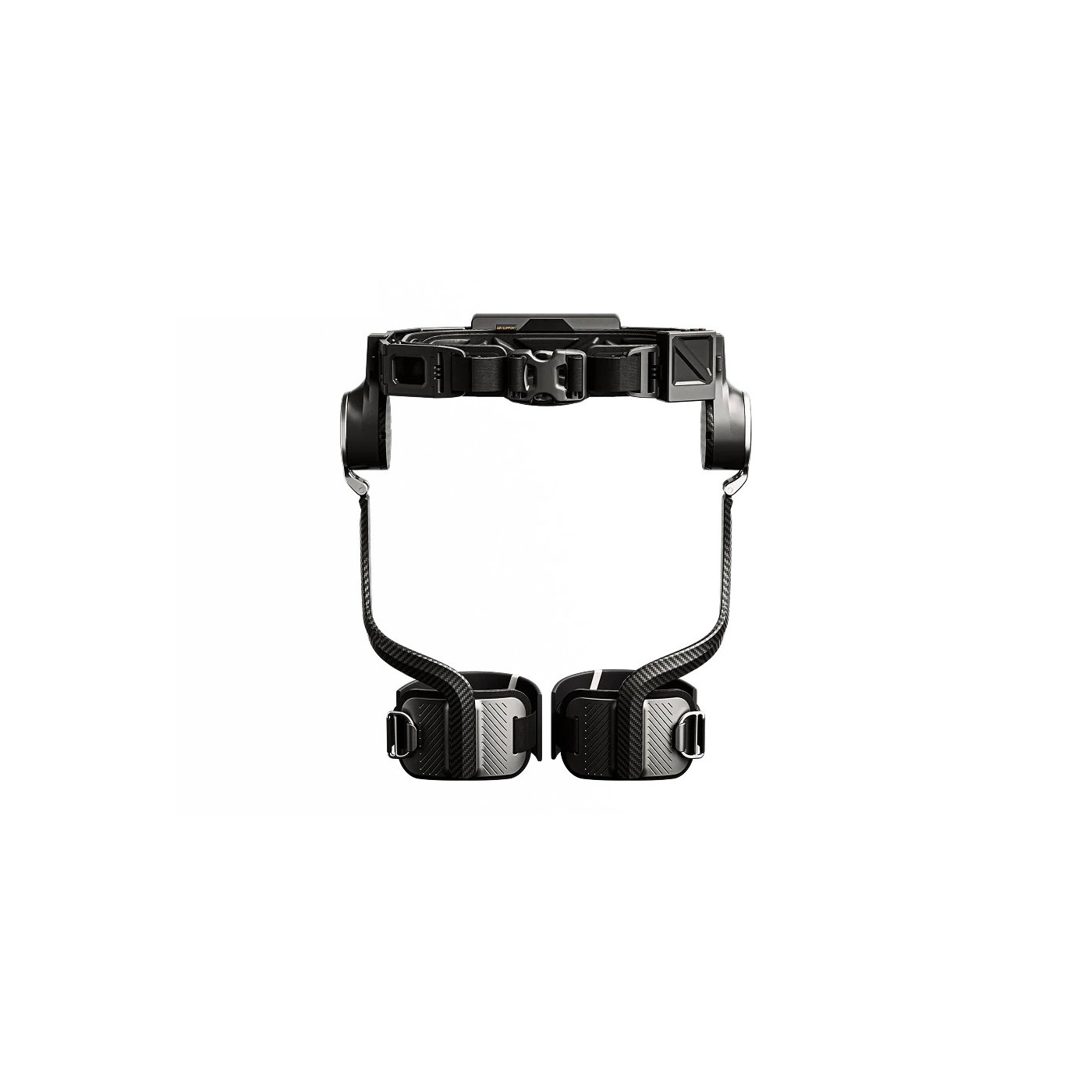
- Strong assistance on climbs
- Swappable batteries for long range
- Relatively light at about 5.5lb
- Quiet operation
- Expensive
- Performance claims not independently verified
Strap the Ascentiz H Ultra around your hips, and every hill gets a little shorter. This exoskeleton provides powered assistance for walking, hiking, running, cycling, and climbing stairs. With two batteries, the assisted range reaches 50km.
It’s built to grow with you. The modular design attaches to a carbon fiber and titanium-alloy Exo-Belt that accepts other modules, including one for the knee, and an IP54 rating keeps it trail-ready. At $1,999, it’s one of the most accessible exoskeletons we’ve seen, and proof the category has left science fiction behind.
The Best Robot Vacuums of 2026
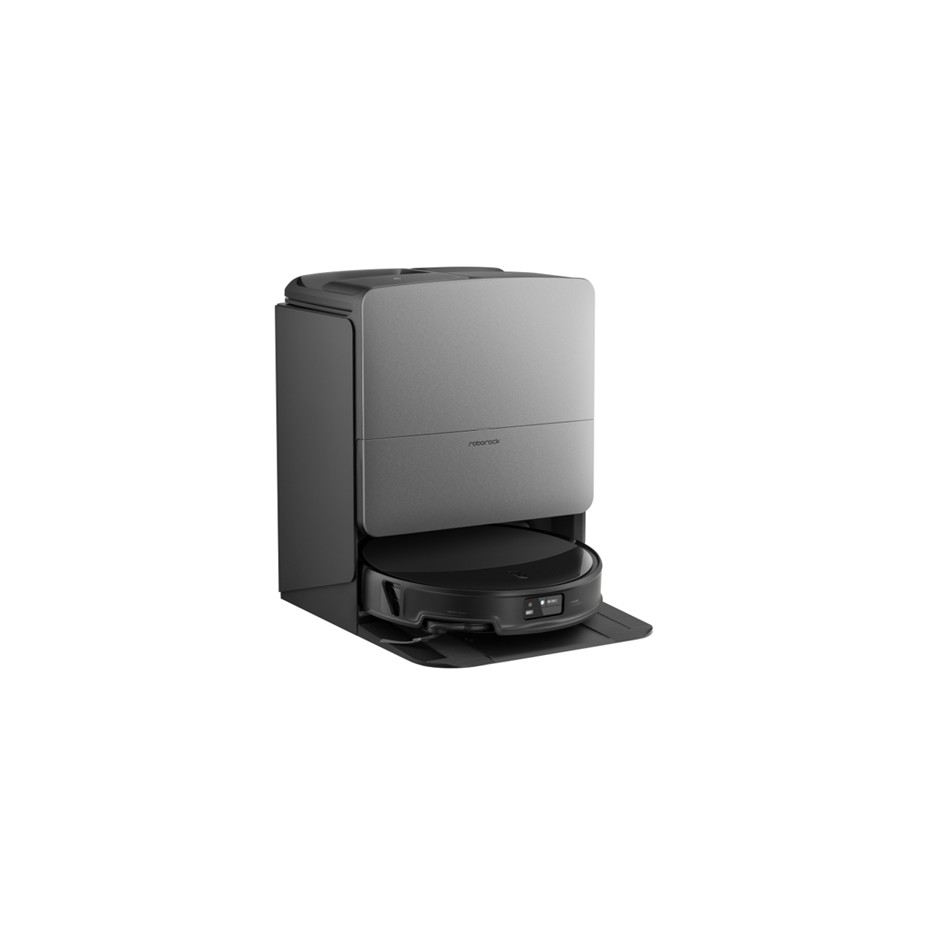
- Huge 36,000Pa suction pressure
- Thorough edge-cleaning
- Top-tier navigation
- Quick and quiet
- Expensive
With 36,000Pa of suction, the $1,599.99 Roborock Saros 20 pulls dirt out of carpets that lesser robots glide right over. It’s one of the most thorough floor cleaners we’ve ever tested.
Edges get the same attention, and top-tier navigation means it rarely wastes time or gets stuck. What sets it apart is that all that power doesn’t come with noise or delays: the Saros 20 is quick and quiet enough to finish the job before you notice it started.
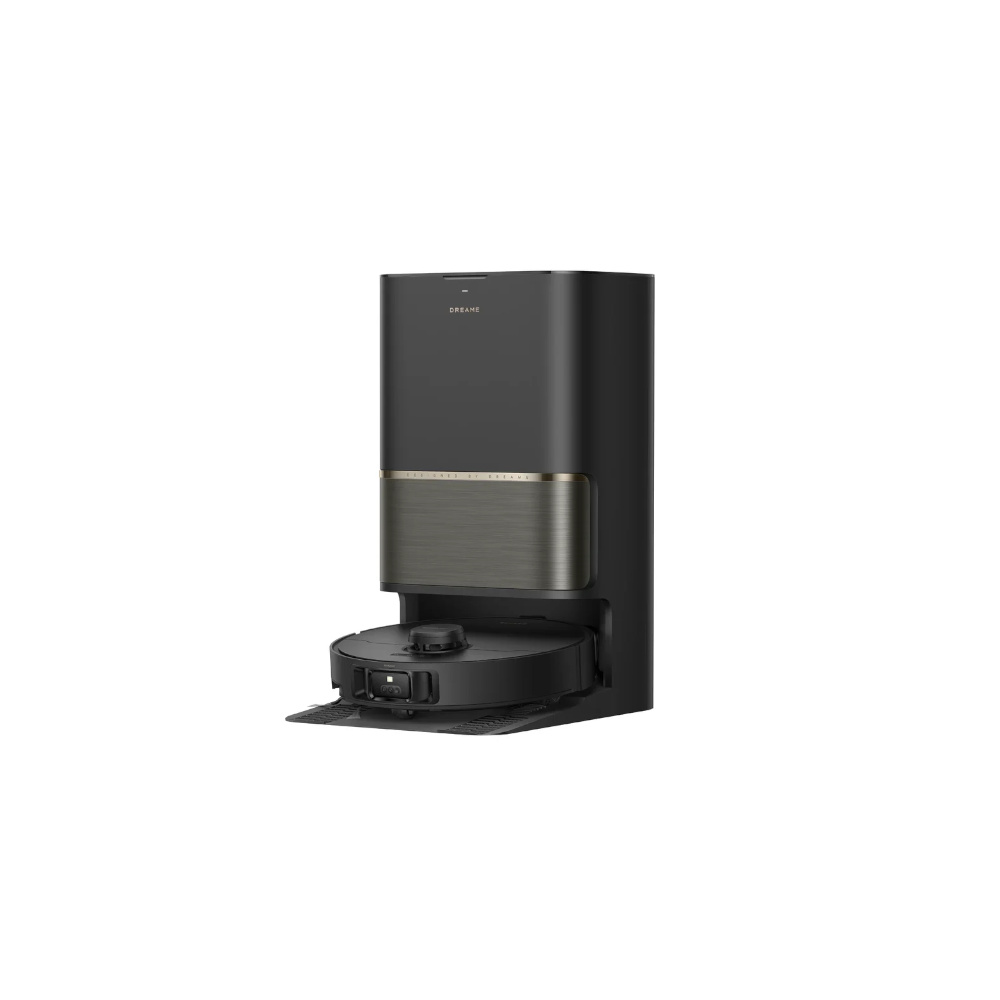
- 30,000Pa suction
- Boiling hot water mop
- Safe navigation
- Extended hands-free run-time
- A little noisy
- Plays it safe in tight spaces
Let the Dreame L60 Ultra PE loose, and you can mostly forget about your floors for weeks. Extended hands-free runtime keeps maintenance to a minimum, and at $1,099.99, it delivers top-tier cleaning for hundreds less than its rivals.
Suction reaches 30,000Pa, and a scorching-hot-water mop breaks down stubborn stains that cold-water mops leave behind. Navigation is safe and reliable. It plays it cautious in tight spaces, but careful beats clumsy for a robot you’ll leave to its own devices.

- 31,000Pa suction
- 12N hot water mop
- 3D mapping with AI Nav
- Capable base station
- A little pricey
The Narwal Flow 2‘s Track-Mop replaces the usual damp pad with a continuously moving microfiber belt, washed constantly with water heated up to 60°C, so it never drags dirty water from one room to the next. The belt extends sideways to reach edges and walls.
Up to 31,000Pa of suction, LiDAR navigation, and AI-powered obstacle avoidance make it a strong vacuum, too. For homes with plenty of hard floors, the base station seals the deal: it empties, sterilizes, and dries everything automatically.
The Best Robot Mowers of 2026
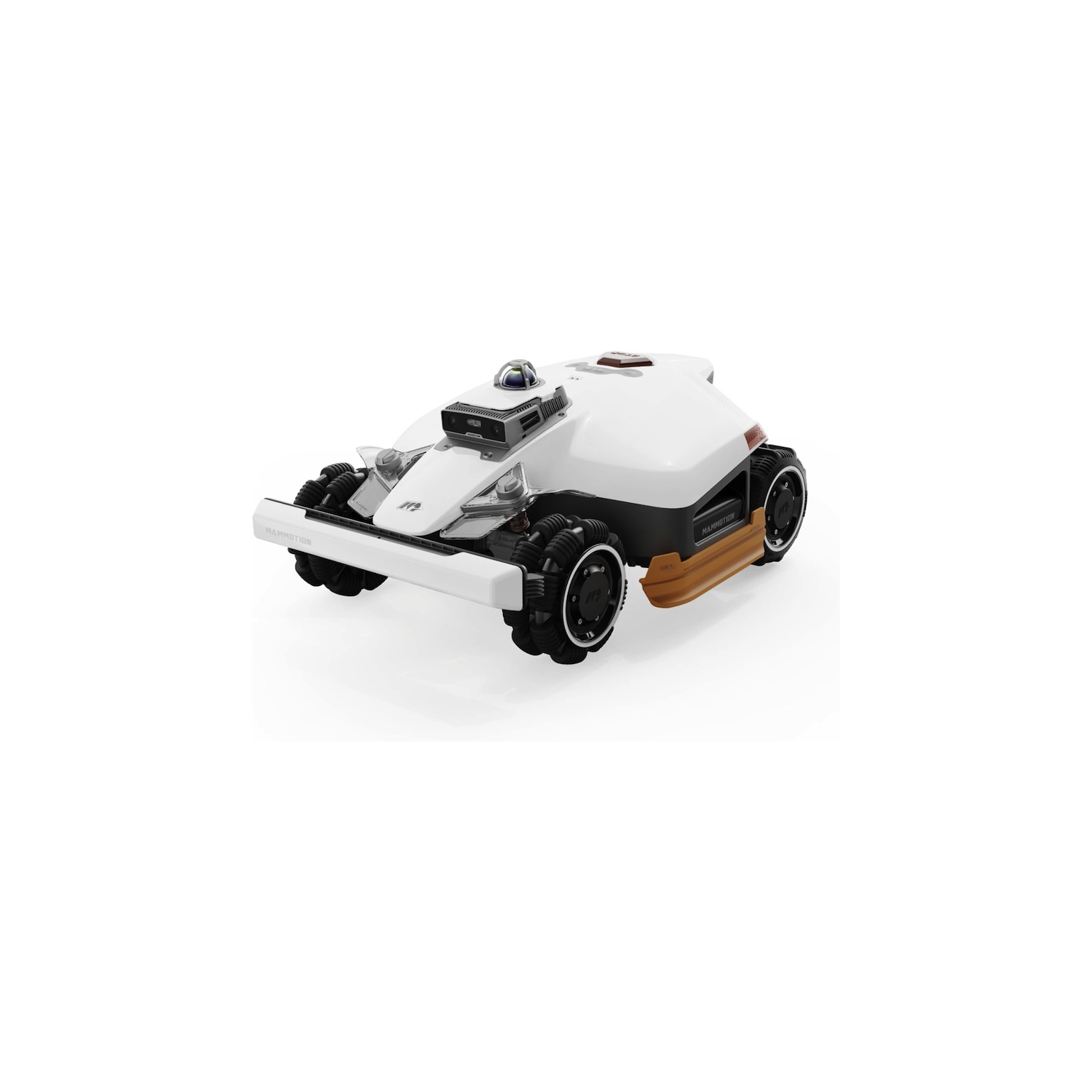
- Easy, straightforward setup
- Good companion app
- Doesn't require an RTK antenna
- Very quiet
- Excellent cut quality
- Expensive
- Some obstacle avoidance funkiness
The Mammotion LUBA 3 AWD skips the hardest part of robot mowing: there’s no RTK antenna to install, and the rest of setup is straightforward.
Once it’s running, the LUBA 3 AWD is very quiet, and the cut is clean and even. A good companion app keeps everything manageable from your phone. At $2,799, it suits large or complex lawns, and few mowers make the switch to robot mowing this painless.

- Excellent AWD traction and hill-climbing ability
- No boundary wire or RTK station required
- Advanced LiDAR and AI vision navigation
- Very effective obstacle detection and avoidance
- Wide cutting deck
- Quiet operation
- Very expensive
- Setup and mapping require some patience
- Overkill for smaller or simple lawns
The Dreame A3 AWD Pro‘s all-wheel drive climbs 80% inclines, making it the answer for yards that are anything but flat.
It’s smart about what it finds along the way. OmniSense 3.0 combines 3D LiDAR and AI vision to map your lawn and recognize more than 300 obstacle types, and EdgeMaster 2.0 cuts close to borders. Built-in 4G adds anti-theft alerts and location tracking. Mapping works best on a lawn that’s already under control, and keeping it that way is exactly what the A3 AWD Pro is for.

- Excellent LiDAR navigation without boundary wires or RTK
- Outstanding AWD traction on steep and uneven terrain
- Precise steering minimizes lawn damage
- Reliable navigation under trees and in shaded areas
- Good cutting quality on open lawns
- Very expensive at $3,199 MSRP
- Narrow cutting deck makes mowing slow
- Inconsistent obstacle avoidance for smaller objects
- Edge cutting leaves untrimmed grass
- Automatic mapping and software still need refinement
When the rain starts, the Roborock RockMow X1 LiDAR (sold as the RockMow Z120 LiDAR in Europe) heads back to base on its own. It’s also IPX6-rated, so a surprise shower isn’t a problem. The hands-off thinking comes from years of Roborock robot vacuums, now brought to the lawn.
A 360-degree LiDAR sensor and dual cameras map the yard and spot objects up to 230 feet away. All-wheel drive handles slopes of up to 80% and obstacles up to 3.1 inches high. Security is covered as well, with 4G connectivity, geofencing, and a loud theft alarm to protect your investment.
The Best Robot Pool Cleaners of 2026

- All-in-one cleaning (surface, walls, floor, waterline)
- Strong cleaning performance
- Unique JetPulse system
- Easy setup and simple app experience
- Lightweight and easy to handle
- Excellent value
- No onboard buttons, relies on app or switch
- Controls have a learning curve
- No connectivity and limited app functionality while underwater
- Long full recharge time
When the Beatbot Sora 70 finishes a cycle, it parks itself at the surface and waits to be lifted out, with no pole and no fishing around the deep end. Beatbot has sweated the little frustrations of pool ownership throughout, and the Sora 70 arrives at a price well below Beatbot’s top models.
The Sora 70 covers the floor, walls, and waterline. It also skims the surface using dual water jets and reaches shallow steps and shelves that many robots miss. A 10,000mAh battery provides up to five hours of floor cleaning, enough for even large pools to get a thorough going-over in a single run.

- Smart AI for more efficient, targeted cleaning
- Super easy to set up and use
- Competitive pricing
- Short 3-hour battery life
- Doesn't clean surfaces
The Aiper Scuba V3 goes looking for dirt. Rather than blindly covering every inch of the pool, its AI targets debris directly, so each cleaning cycle spends its time where it’s actually needed.
The approach makes the most of its three-hour battery. Setup and day-to-day use are about as easy as pool robots get, and at $1,099.99, it brings smart cleaning to a mid-range price.

- Innovative self-cleaning docking station
- Automated debris collection reduces maintenance
- Solar-assisted charging for extended operation
- Cleans pool floors, walls, and waterlines
- App-controlled cleaning modes and scheduling
- Very expensive at $2,499.99
- Complicated setup requiring permanent dock installation
- Automatic docking can be unreliable in confined areas
- Solar charging depends heavily on sunlight
- Fine filters still require periodic manual cleaning
The WYBOT S3‘s dock needs a permanent spot beside your pool, and it earns that space. After every cycle, it collects the debris and recharges the robot, so there’s no hauling it out or emptying it by hand.
Under the water, AI vision and 3D mapping plan efficient routes, and the S3 climbs walls and scrubs the waterline. At $2,499.99, it’s the most hands-off pool cleaning you can buy. Its dual-filter system catches everything from leaves to fine sediment.
The Best Chargers of 2026
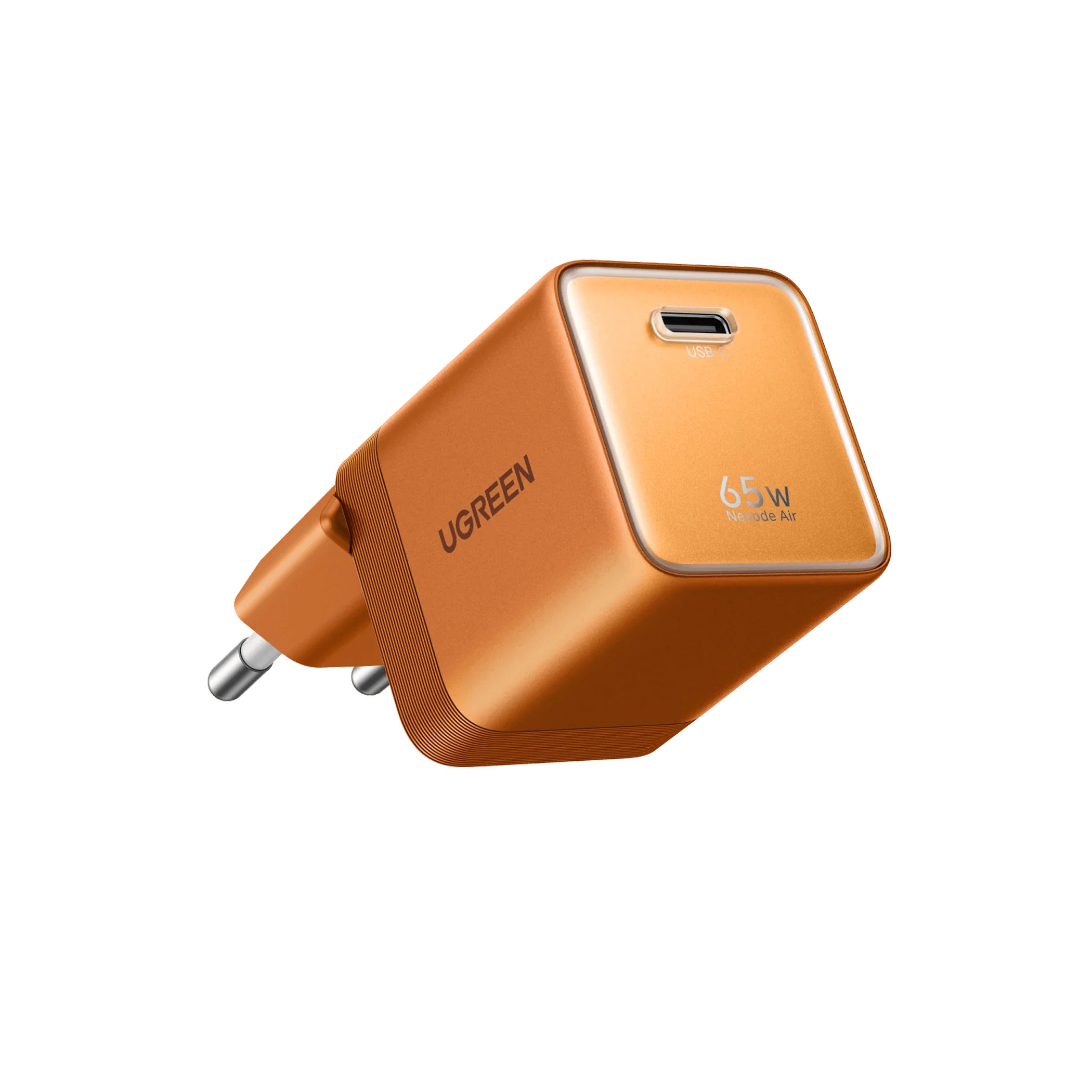
- Small and light at 72.9g
- Fast 65W USB-C output
- Braided 100W cable in the box
- Frequently discounted
- Only one port
- 65W isn’t enough to fast-charge larger laptops
The UGREEN Nexode Air 65W disappears into a jacket pocket. This single-port USB-C charger is smaller than many earbud cases, and the US version’s foldable prongs make it even easier to pack.
The tiny size doesn’t cost it much. Its 65W output is enough to top up a laptop or fast-charge a phone, so one charger can cover a whole travel kit. A metal-coated shell and frosted front panel give it a premium finish, it comes in multiple colors, and for around $40, it earns a permanent spot in any everyday-carry bag.
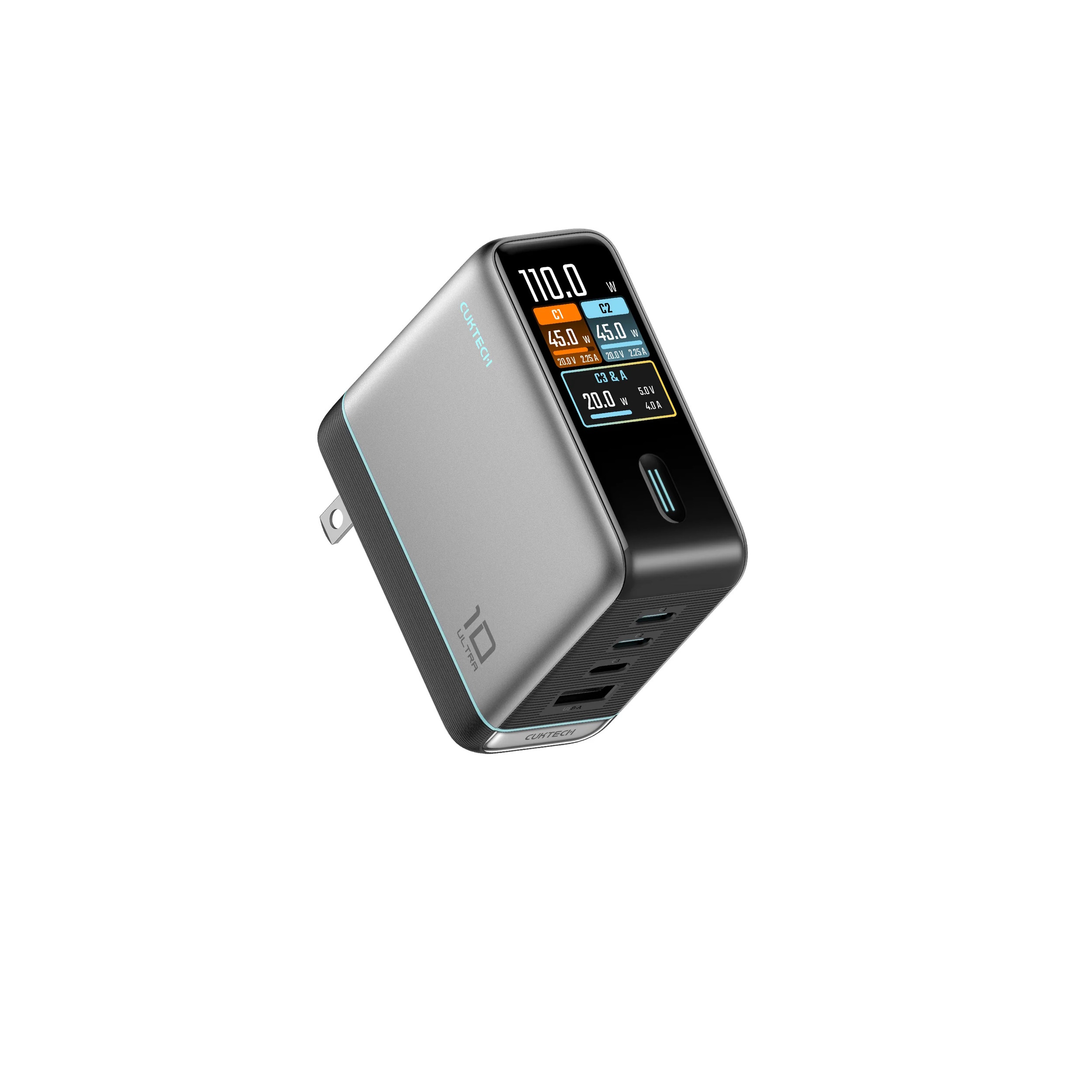
- Informative rotating display
- Four ports
- Up to 100W for laptops
- Broad fast-charging protocol support
- 120W only with Xiaomi's protocol
- App control relies on the Xiaomi Home app
The CUKTECH 10 Ultra’s 1.57-inch full-color display shows each port’s power, voltage, current, and internal temperature, so you always know why a laptop is charging slowly. It rotates to stay upright however the charger is plugged in.
Behind the screen is serious hardware. The 10 Ultra delivers up to 120W across multiple ports, and the Xiaomi Home app lets you switch ports remotely or set power-off timers. Broad protocol support, including PD, PPS, and QC, keeps phones, tablets, and laptops charging at full speed, making it a good match for a crowded desk.
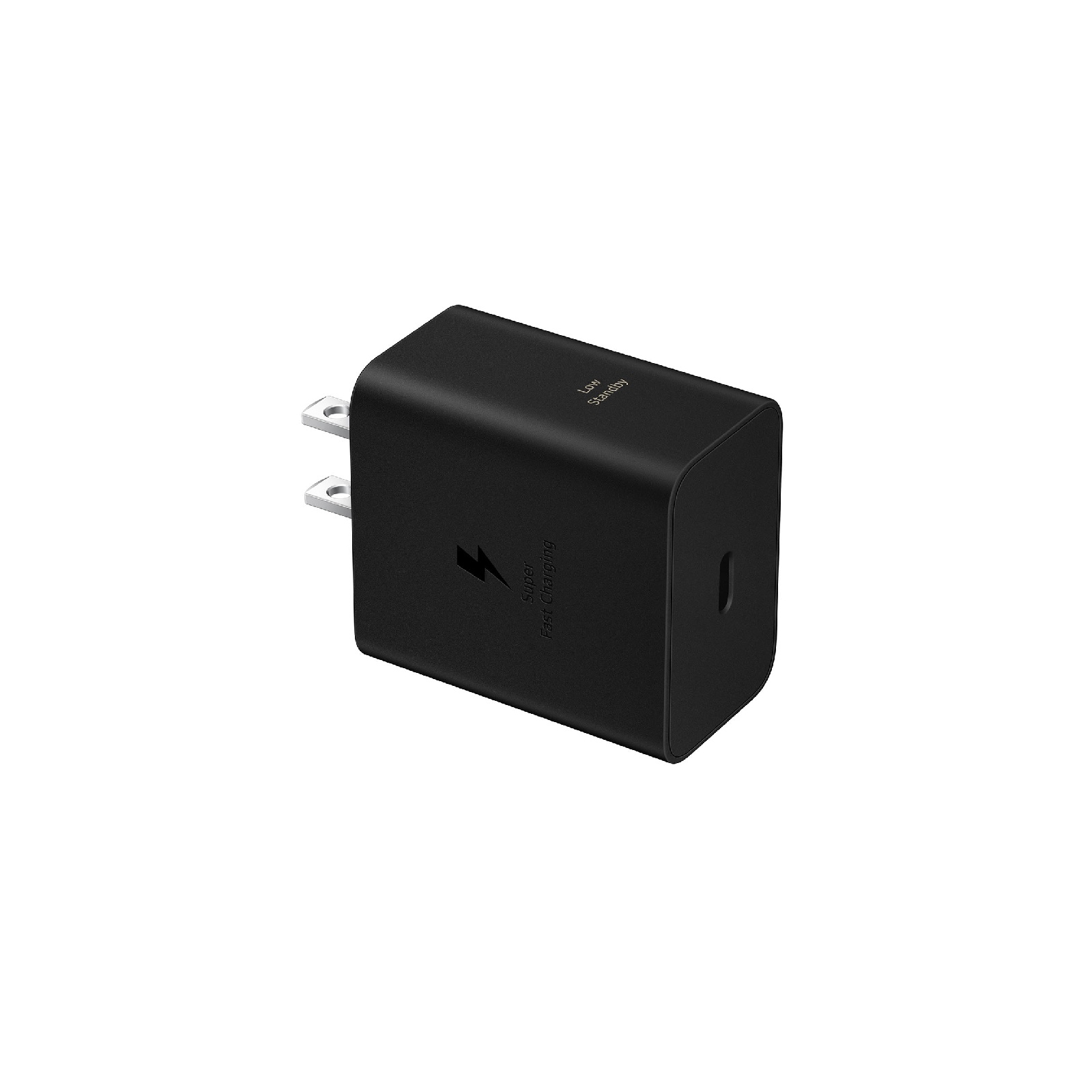
- Fast 60W USB-C charging for compatible Galaxy devices
- USB PD 3.1 and PPS support
- Compact, straightforward design
- Broad compatibility with USB-C devices
- Only one USB-C port
- No charging cable included
- Full 60W speeds require compatible devices
- Pricier than many third-party alternatives
Samsung says its 60W PD Power Adapter can take a Galaxy S26 Ultra to 75% in about 30 minutes. Matching the charger to the phone pays off. Its single USB-C port supports USB PD with PPS at up to 60W, enabling Super Fast Charging on compatible Galaxy devices without any guesswork.
You’ll need to bring your own cable. The compact design and low standby power make it easy to leave plugged in at the bedside or in a bag, and for anyone with a recent Galaxy flagship, it’s the most direct route to the speeds Samsung built its phones for.
The Best Power Stations of 2026
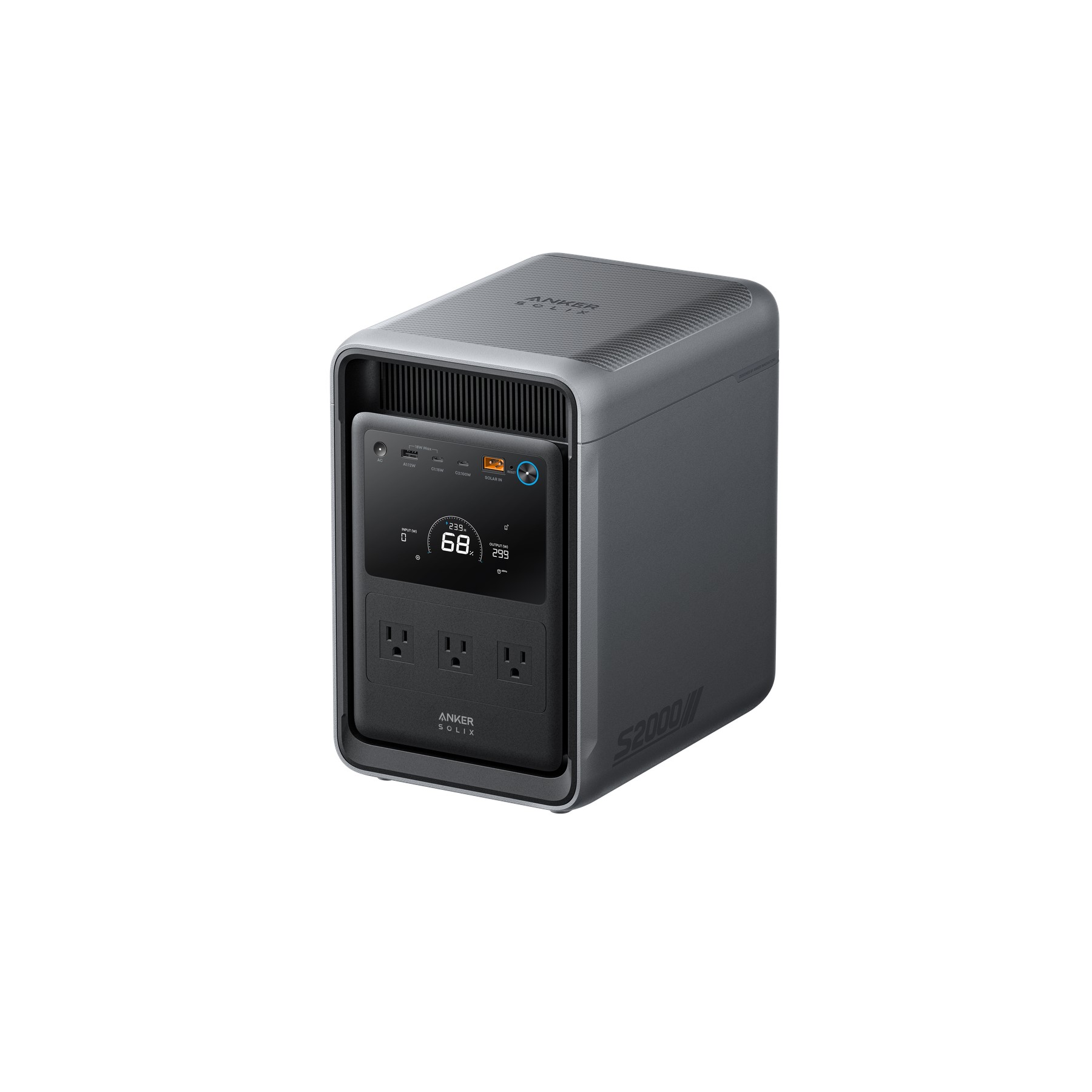
- Powerful for its size
- Smaller than other 2kWh power stations
- 5 AC outlets
- Super efficient and low idle power consumption
- Excellent smart features
- Only has 3 USB ports
- Small, but not very portable
A home backup battery is only useful if its energy is still there when the lights go out. The Anker SOLIX S2000‘s low idle power consumption keeps more of its capacity ready for when you need it, and that efficiency comes in a body smaller than most 2kWh-class rivals.
It’s powerful for its size, with five AC outlets for essential appliances, and Anker’s smart features make monitoring and control easy. Compact doesn’t mean portable, so plan for it to stay in one place. This is backup power that doesn’t take over the garage.
- 6,400W surge
- Long-lasting LiFePO4 battery
- Fast charging: 0–80% in about 40 minutes
- Under 10ms UPS switchover
- Heavy at 25kg
- Only one solar input, capped at 1,000W
- Pricey at full price
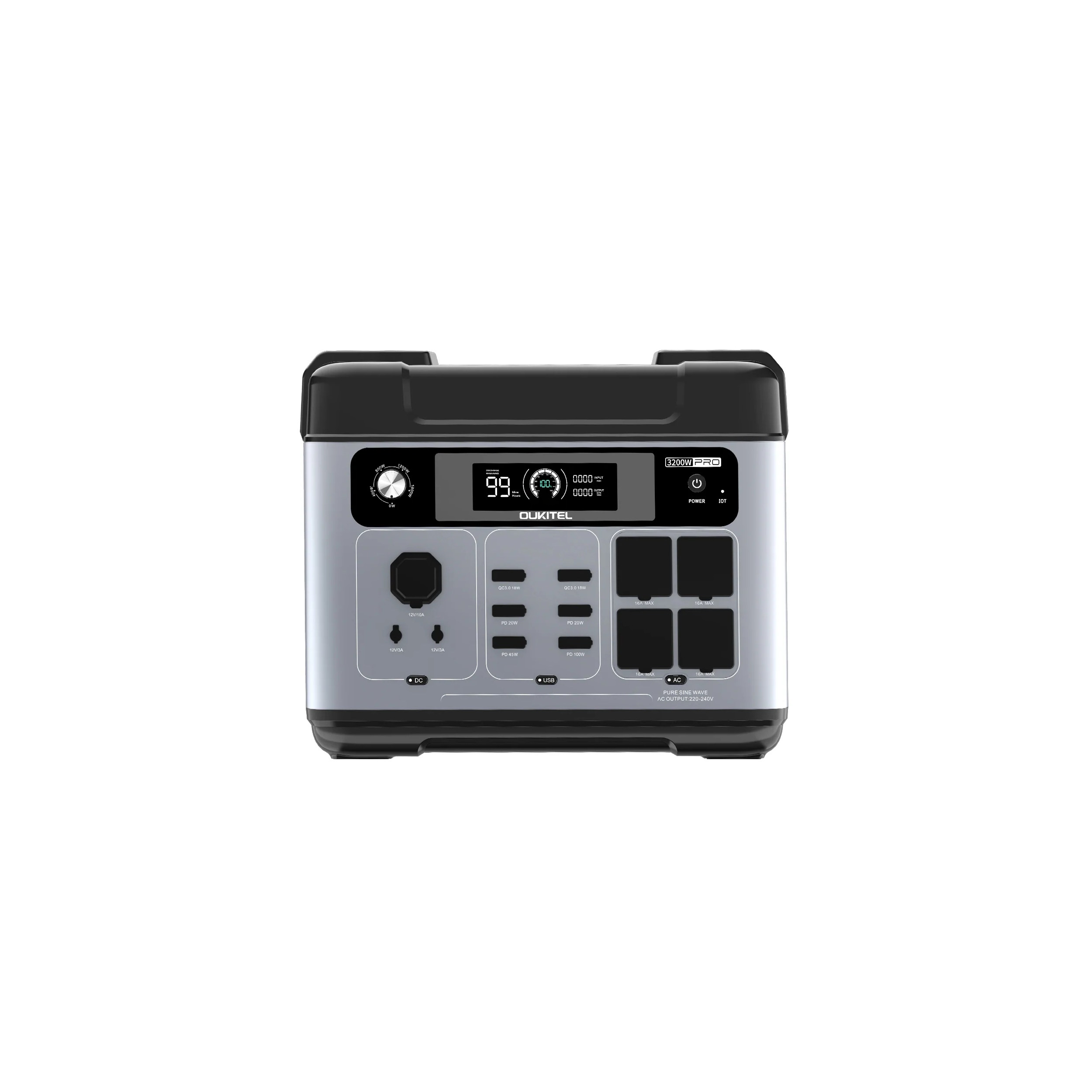
When the power cuts out, the Oukitel P2001 Pro takes over in under 10ms, fast enough that most devices won’t notice the switch. It’s a strong safety net for the home.
Its 2,048Wh LiFePO4 battery is rated for more than 4,000 cycles, and 3,200W of AC output with a 6,400W surge handles demanding appliances. Combining AC and solar input gets it to 80% in about 40 minutes. At 25kg, it’s not one for camping trips, but as home backup, it offers a lot of power for the price.
- Lighter than the original
- Expandable capacity
- Durable LFP cells
- Fast solar charging
- Fewer ports than some rivals
- Only expands with the Battery Pack 2000 Plus v2
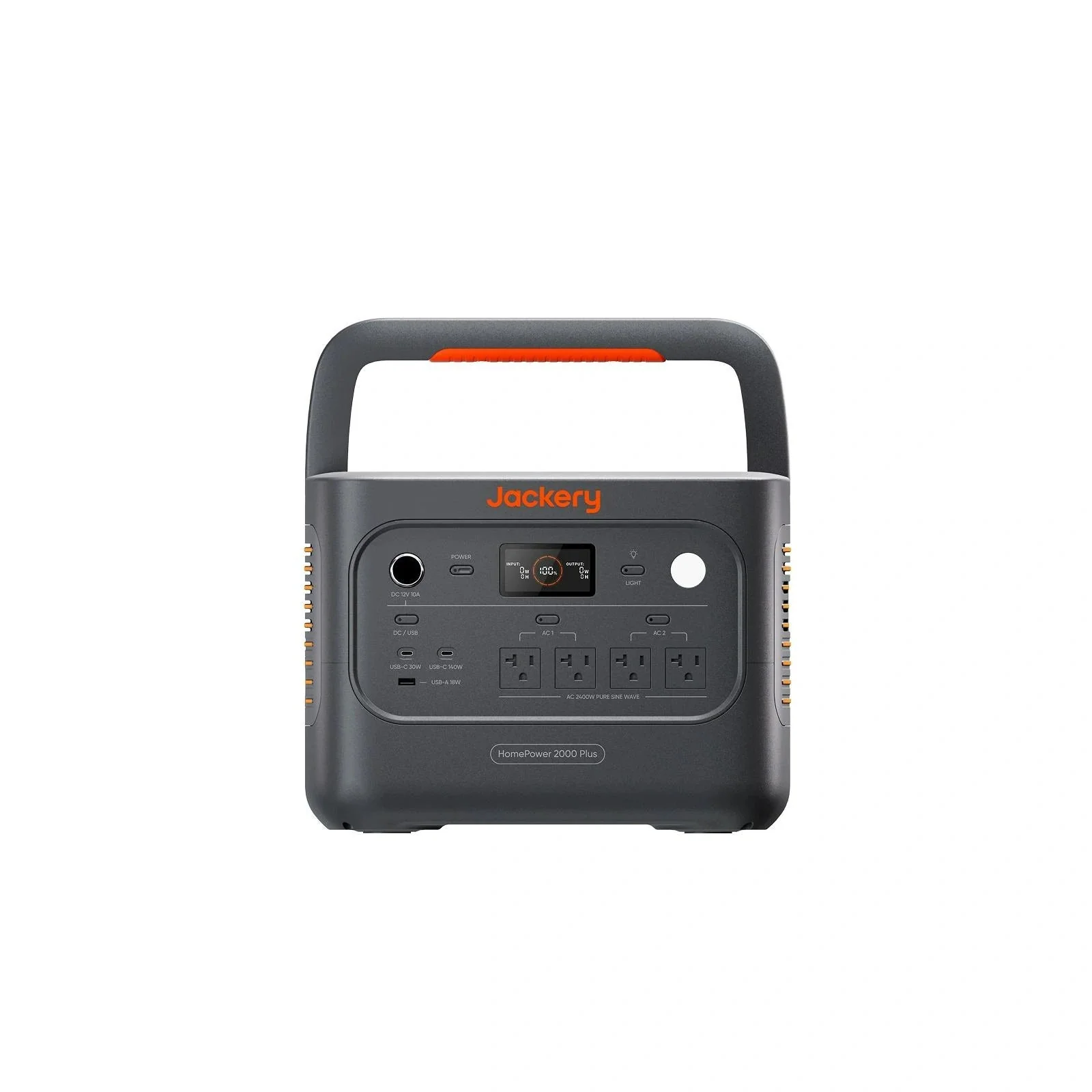
The Jackery HomePower 2000 Plus v2’s battery is rated for 6,000 cycles, and Jackery backs it with a 3+2 year warranty. This is a power station designed to stick around, and one you can keep building on.
It starts with a roughly 2kWh LiFePO4 battery, and its four AC outlets deliver 2,400W with a 4,800W surge peak. A 140W USB-C port handles laptops. When your needs outgrow the base unit, add-on packs expand capacity to 12kWh, turning a modest backup into whole-home coverage over time.
The Best Handhelds of 2026

- Strong sustained performance
- Small form factor
- Full suite of controls
- 4:3 screen is great for emulation
- Premium build
- Screen brightness lacking
- Limited battery life
- Awkward hybrid select/start button
The AYANEO Pocket S Mini‘s 4:3 screen is made for classic games, and the hardware behind it is ready for far more. Sustained performance is strong, so demanding Android games and emulators run smoothly. A full suite of controls and a premium build give it the feel of a high-end device in a pocket-friendly size.
The hybrid select/start buttons take some getting used to, but it’s one of the best compact handhelds you can buy, without making you choose between portability and power.
- Beautiful screen
- Compact vertical design
- Great PS2/GameCube performance
- Cramped triggers
- Poor Mali driver support
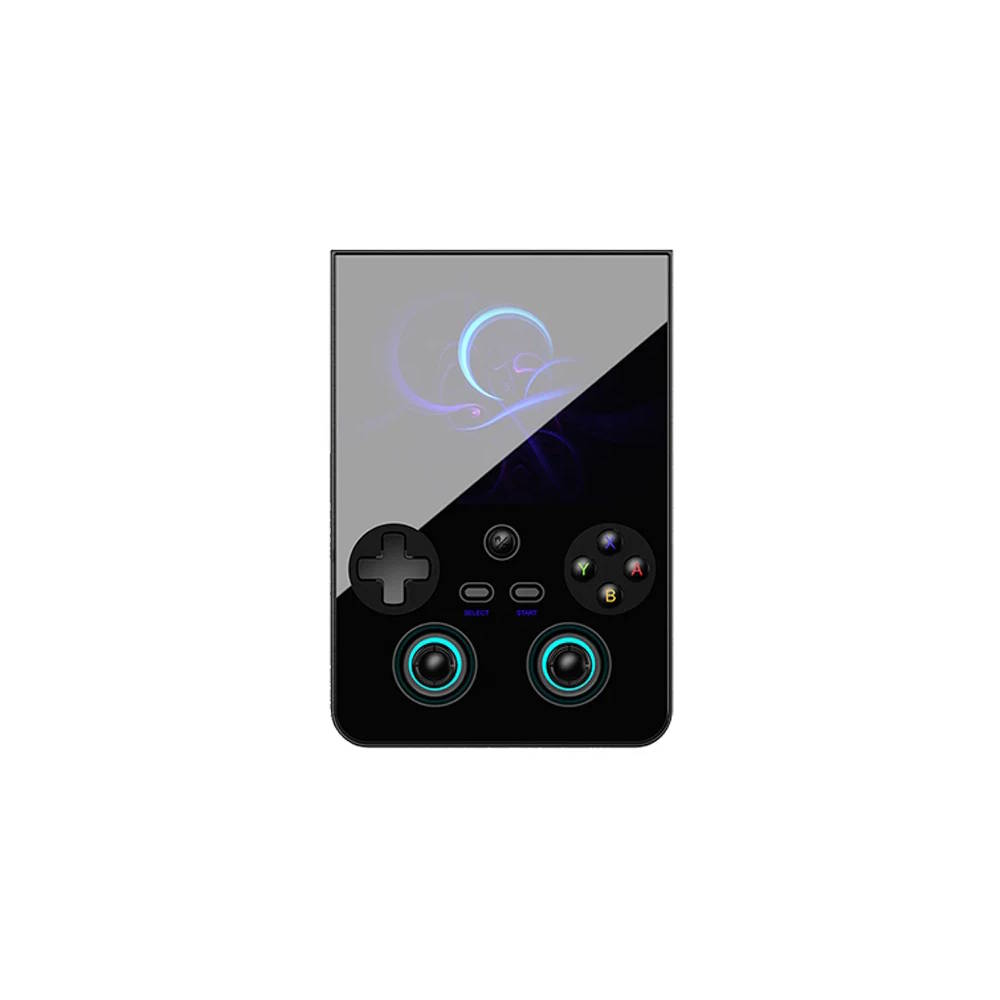
The ANBERNIC RG 477V‘s vertical design instantly recalls the classic handhelds it celebrates. Inside is the result of years of iteration from ANBERNIC, and it shows.
It has a beautiful screen, and its PS2 and GameCube performance is great, impressive for a device this compact. For $219.99, it’s a compact way to carry a retro library without lugging around anything bulky.
- Powerful chip for the price
- Sharp 120Hz OLED screen
- Two control layouts
- Large battery
- Price has risen since launch
- Ships with Android 13
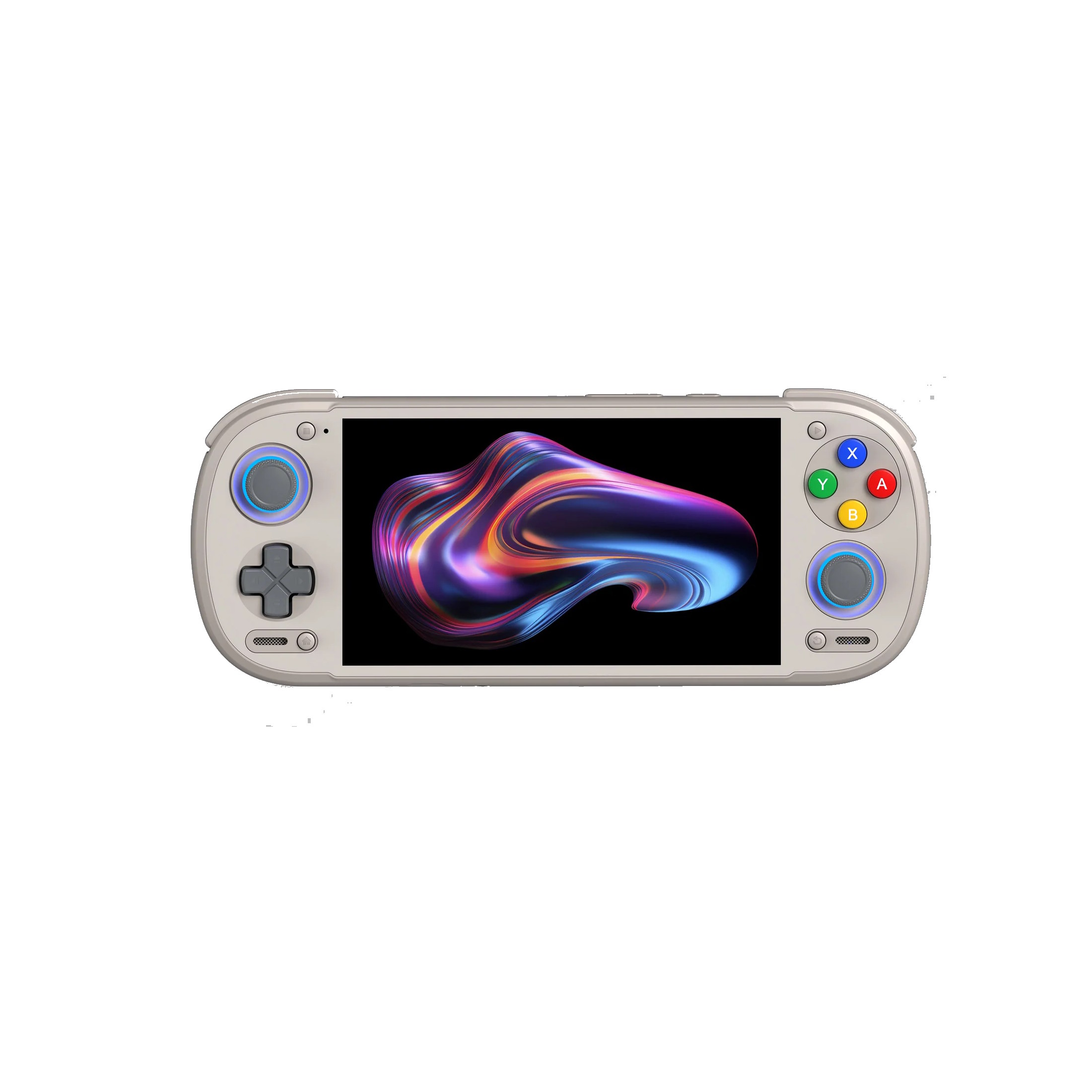
PS2 games at upscaled resolutions on a handheld costing around $250 would have sounded unlikely not long ago. The Retroid Pocket 6 manages it with a Snapdragon 8 Gen 2 chipset, and it displays the results on a bright, sharp 5.5-inch, 120Hz AMOLED panel.
Hall-effect joysticks, high-quality buttons, and comfortable ergonomics make hours of play a pleasure, and the 6,000mAh battery covers most sessions. The design keeps things simple, while the performance adds to Retroid’s reputation for excellent value.
The Best Projectors of 2026
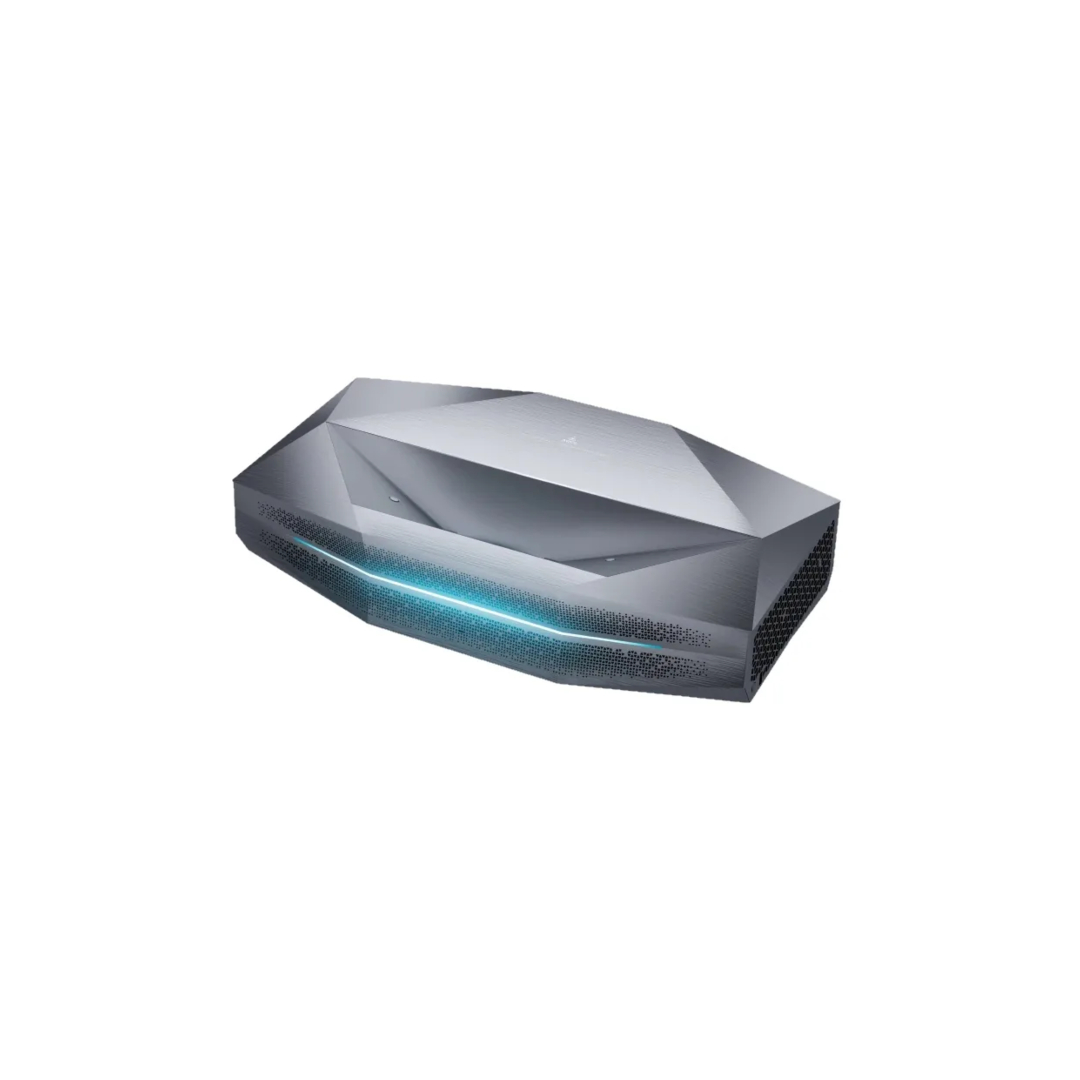
- Excellent image at large sizes
- Powerful brightness even in lit rooms
- Controlled, cinematic color performance
- Built-in Google TV
- Gaming support
- Requires space to justify its strengths
- Large and visually assertive build
- Premium pricing limits its audience
The AWOL Vision Aetherion Max sits inches from the wall and throws a 4K image of up to 200 inches. This ultra-short-throw triple-laser projector is bright enough to replace a TV, reaching up to 3,300 ISO lumens with a 6,000:1 native contrast ratio.
AWOL’s PixelLock technology keeps the image sharp even at its largest sizes, where many projectors start to soften. Google TV is built in, so streaming needs no extra box. For home theater enthusiasts, it delivers a true cinema-scale picture without a dedicated room.
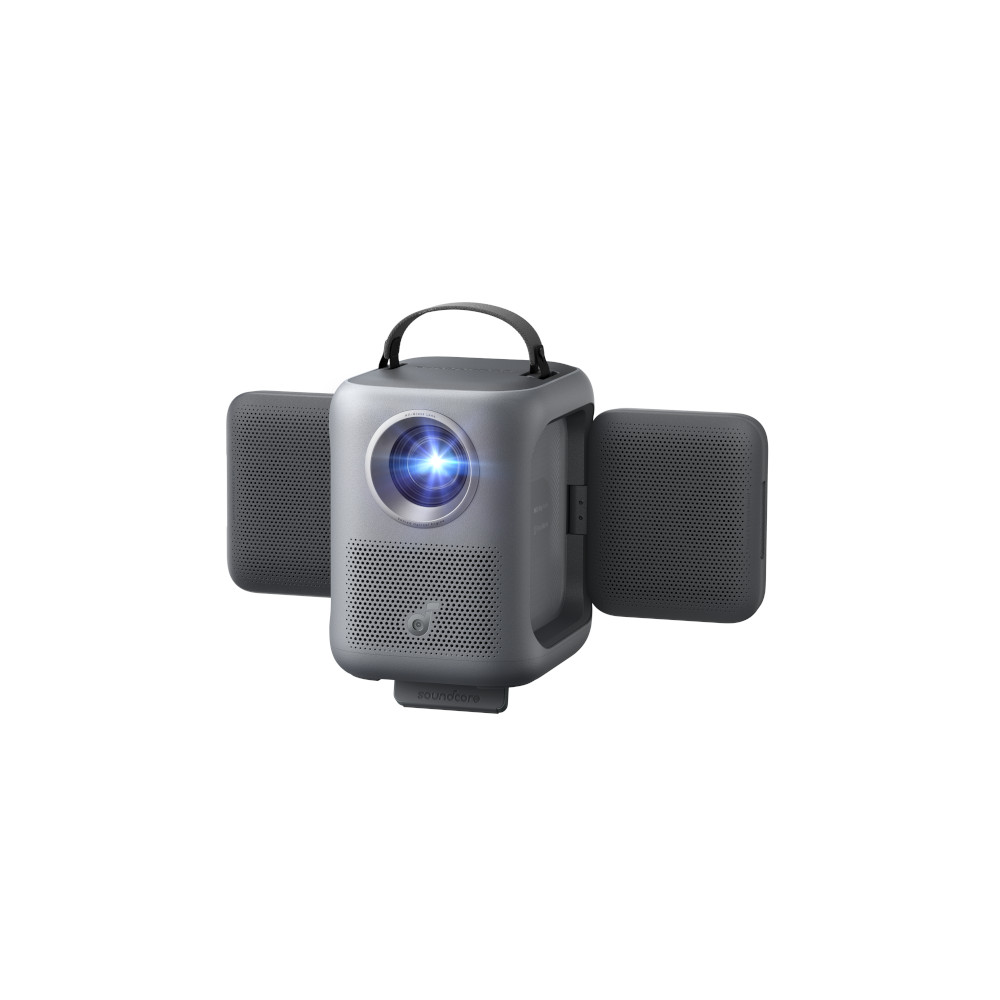
- Unique, flippable speaker design
- Reliable autofocus and keystone correction
- Built-in Google TV experience
- Thoughtful carrying handle
- Works reliably in dark rooms
- Approachable price point
- Limited daytime use/struggles in ambient light
- No built-in battery and short power cable
- Bulkier than ultra-portable competitors
- Corners lack sharpness at larger scale
The Soundcore Nebula P1i‘s flippable speakers are its most distinctive feature, and they’re a sign of how much thought went into this projector. A carrying handle makes it simple to move between rooms, and reliable autofocus and keystone correction mean it’s ready to go wherever you set it down.
Google TV is built in, so there’s no streaming stick to manage, and it performs reliably in dark rooms. It brings big-screen movie nights within reach for $369.
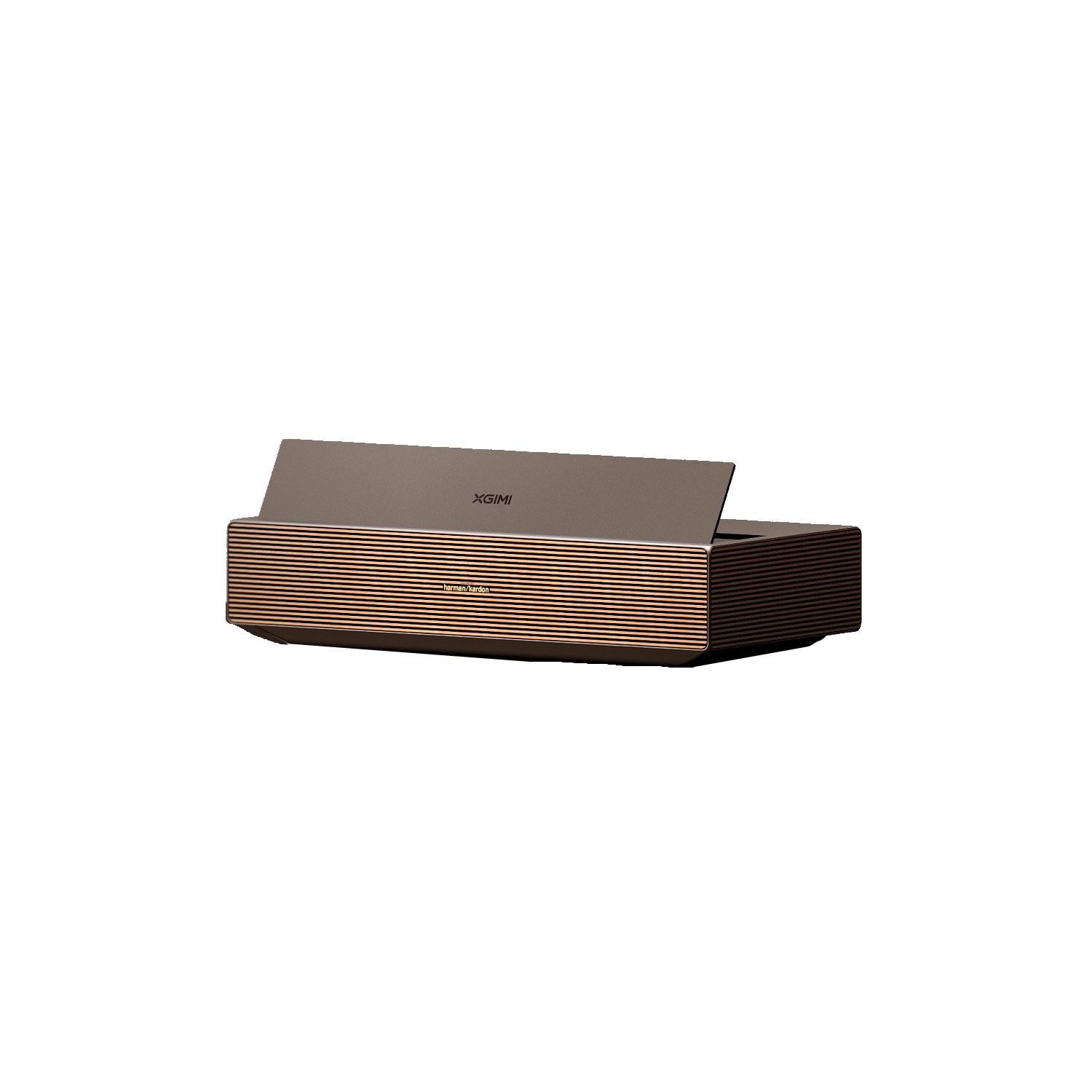
- Bright triple-laser image
- Low-latency 4K 120Hz gaming
- Dolby Vision support
- Google TV built in
- Very expensive at full price
- 4K 120Hz needs an HDMI 2.1 source
- Not shipping until December
Gamers have long had to give up on ultra-short-throw projectors. The XGIMI Aura 3 Max is one of the first to offer full 4K at 120Hz with 1ms latency, making it as compelling for the console as it is for movie night.
Its triple-laser RGB light source reaches up to 5,700 lumens, and Dolby Vision support and an 8,000:1 contrast ratio give films real punch. With a 0.163:1 throw ratio, it sits right up against the wall, the centerpiece of a premium living room setup.
The Best Innovation of 2026
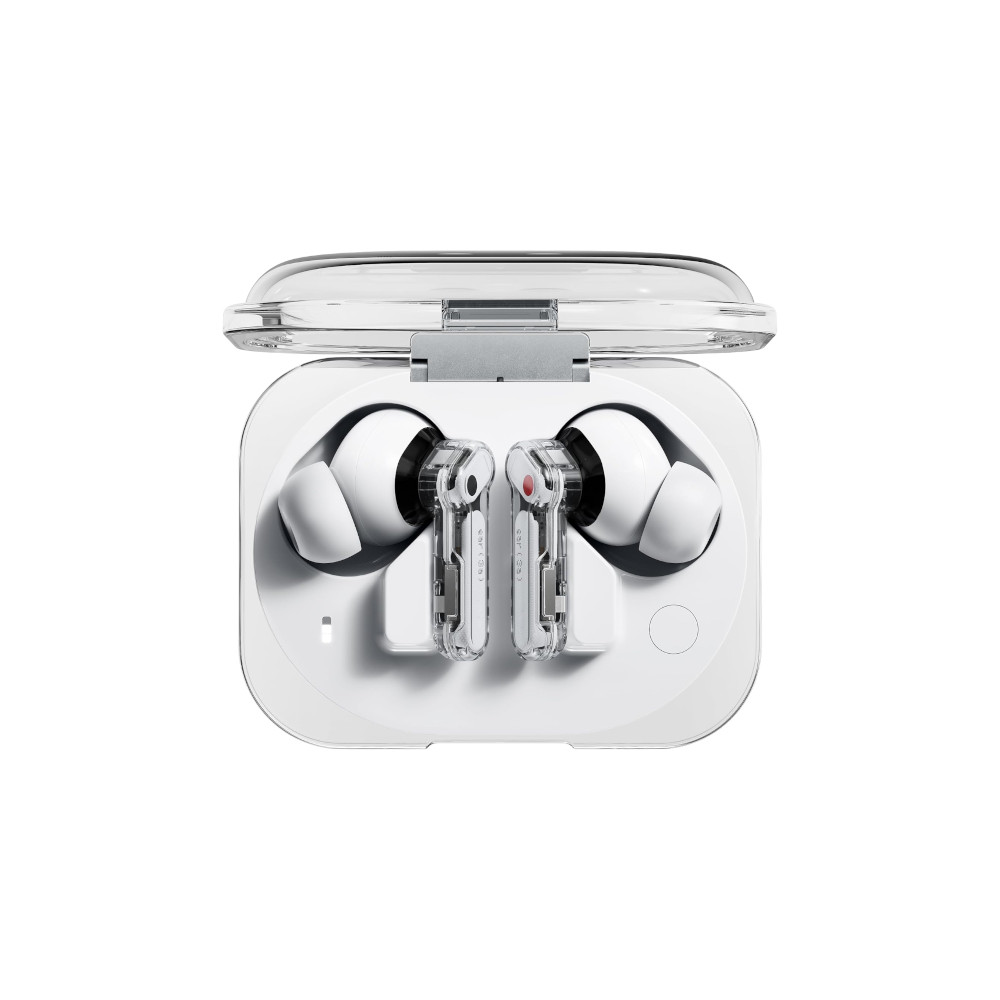
- Customizability
- Advanced EQ
- Price
- Battery life
- Stock tuning
- Requires effort to dial in
Someone rattles off an address mid-call, and you weren’t ready to write it down. With the Nothing Ear (3a), that’s no longer a problem. Audio Snapshot, a feature we hadn’t seen on earbuds before, saves a clip of whatever you’re hearing, calls included, and can even capture the 30 seconds before you trigger it.
Nothing’s AI tools then transcribe those clips, turning a pair of earbuds into a genuinely useful memory aid. The saved audio isn’t as clear as what you hear live, which is typical of a first-generation idea. In a category where most innovation comes down to slightly better ANC, Audio Snapshot is a reminder that earbuds can still learn new tricks.
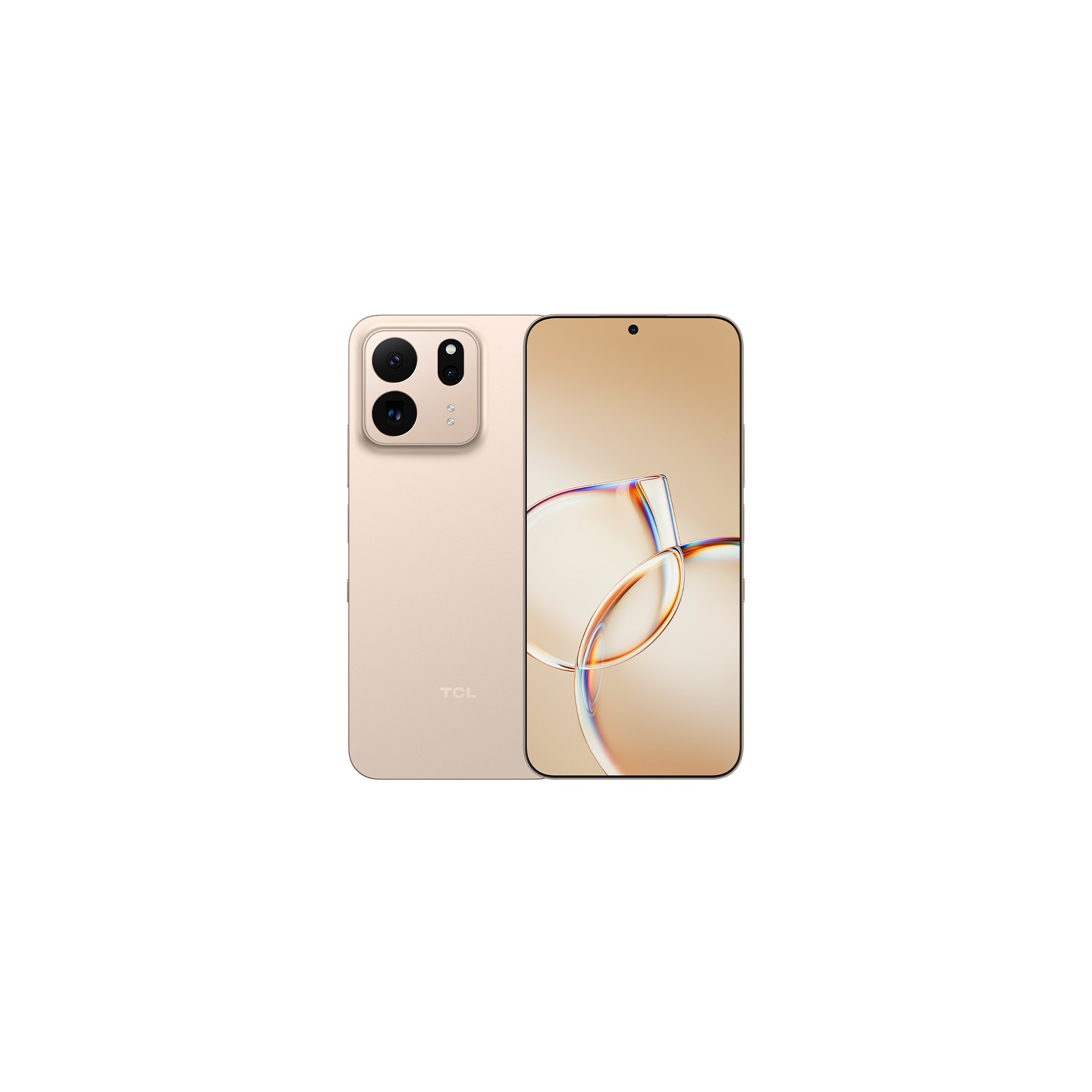
- Bright, low-glare AMOLED display
- Periscope zoom camera
- Up to seven years of security updates
- Large battery
- Mid-range chipset
- Not available in the US yet
A matte, paper-like finish and 3,200 nits of peak brightness don’t usually belong on the same screen. TCL’s NXTPAPER displays have always traded vibrancy for eye comfort, and the TCL P80 Ultra is among the first phones to drop that trade by pairing NXTPAPER with an OLED panel.
The result is a 6.83-inch, 1.5K, 120Hz display that’s easy on the eyes without looking washed out. A dedicated NXTPAPER button switches on Max Ink Mode for up to seven days of reading, and a 50MP 3x periscope camera shows TCL didn’t neglect the rest of the phone. Starting at €549, it could reset expectations for what a phone display should be.
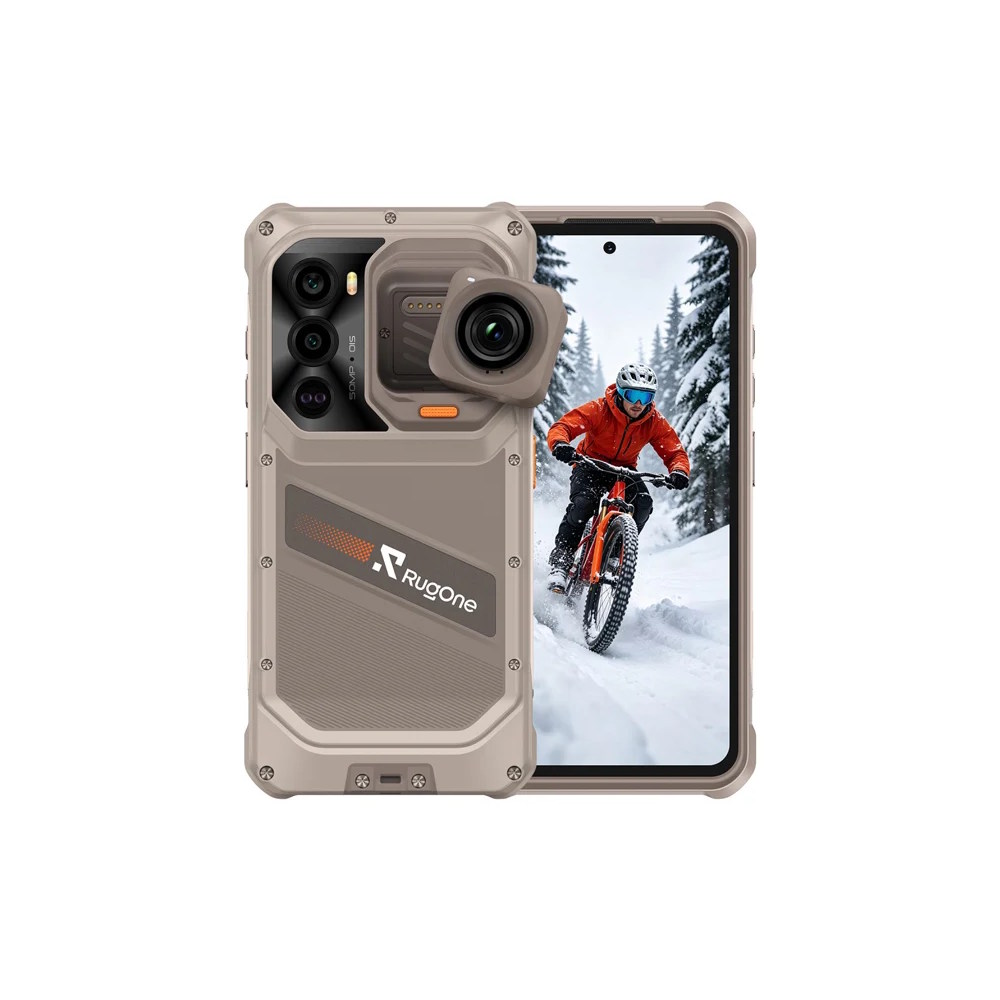
- Innovative detachable camera
- Tough, certified build
- Large battery
- Bright 120Hz AMOLED display
- Camera isn't a full GoPro replacement
- Camera module can be hard to remove
- Expensive
Pull the magnetic camera module off the RugOne Xsnap 7 Pro and it becomes an action camera. It records up to 2.8K video, survives dives to 5 meters, and streams a live view back to the phone over Wi-Fi 6 from up to about 50 meters away. Dock it again, and it recharges from the phone.
The phone itself is no afterthought. It has an IP69K rating, a Dimensity 8400 chip, and a night-vision camera. Rugged phones usually compete on toughness alone, and the Xsnap 7 Pro gives the category a genuinely new reason to exist.
Conversation
Read what readers said or add your take.