Affiliate links on Android Authority may earn us a commission. Learn more.
5 Android phones that might just be worse than the Trump Phone
Jul 17, 2026 — 5:30 AM ET


Recently, our very own C. Scott Brown declared the Trump T1 the worst Android phone he’s used in 2026. I can understand the sentiment, and I’m certainly not arguing with him on this one, but the truth is that the Trump phone is in good company. In fact, there are plenty of devices out there that I could argue are, in some ways, almost worse.
At least with the Trump phone, all the red flags were already there. Inconsistent design renders before the phone came out, constant delays, and relatively sketchy marketing should have been enough to tell most buyers to avoid the Trump phone.
Below, we’ll take a closer look at just five phones that don’t have any such major red flags, and yet, for most users, they would prove to be a really bad buy compared to the competition.
What Android phone do you think is worse than the Trump Phone?
OnePlus 15

The OnePlus 15 looks like a solid flagship at first glance. Not only does it feature a Snapdragon 8 Elite Gen 5 processor and incredible battery life, but it also offers some of the best fast wireless and wired charging options.
Dig a bit deeper, and the problems start to surface. Not only are the cameras downgraded from the OnePlus 13, but the impressive processor also has thermal issues. While it doesn’t outright overheat, it arguably comes pretty close, and there is concern about how this would impact device longevity.
As if this weren’t enough to make the OnePlus 15 one of the worst phones to buy in 2026, OnePlus recently announced it is bowing out of the American and European markets.
While it says it will continue to honor its commitments to software and beyond, we’ve already seen signs that warranties may shift toward vouchers instead of actual repairs. Likewise, OnePlus might still commit to keeping its software promises, but the market shift could still lead to delayed updates and other issues.
Motorola Moto G (2026)

The Motorola Moto G was basically the first affordable Android phone that didn’t suck. I remember being in love with it and the idea of cheap phones that were actually usable. This brand and reputation have held on for years, but the reality is that the Moto G series isn’t what it once was.
Our very own reviewers haven’t actually recommended the Moto G since the 2023 model’s release, as its successors have mostly been seen as steps backward. With the current Moto G (2026), there’s less than ever to set it apart from the Play model, and what you get with both is middling performance at best, and a weaker camera experience than you’ll find from most of the other options on this list. Lenovo is also known for being pretty inconsistent when it comes to Motorola update promises, so it’s hard to trust the brand for this reason alone.
It’s not that the Motorola Moto G (2026) is a bad phone on its own. The real problem is that you can easily find models from Samsung and others that cost about the same and perform similarly or even better with more consistent software update policies. Simply put, the current Moto G is mostly coasting off its past reputation, but there are better choices out there.
Samsung Galaxy S25 Edge

The Samsung Galaxy S25 Edge is the most interesting of the three devices out there because, on the surface, there’s little to complain about. It doesn’t have potential overheating problems like the OnePlus 15 or the performance inconsistencies of the Moto G. The phone absolutely runs well, and in a bubble, it would be a great device. Unfortunately, it doesn’t exist in a bubble.
The Samsung Galaxy S25 Edge is hard to justify, as it costs more than the Galaxy S25 and adds nothing of value to the existing spec sheet. In fact, it has significantly worse battery life and lacks the telephoto lens you’d get with the Plus or Ultra models.
The only thing the Edge adds is thinness, which proves to be more of a curse than a blessing. As someone who has used it on-and-off as a daily driver, I can tell you the phone might look unique, but its thinner profile means it can get pretty hot. The weight also feels unevenly distributed, which can make it feel pretty awkward to hold.
The more I think about it, the Galaxy S25 Edge and Trump T1 have a lot in common. After all, both are unnecessary rebrands of existing devices that mostly utilized hype as a marketing tool but failed to deliver when it comes to creating a memorable, worthy product.
T-Mobile Revvl 8 Pro

The Revvl 8 and 8 Pro are effectively the same device, aside from a few minor differences. Both are powered by the same underpowered Snapdragon 6 Gen 3 processor and are aimed at budget customers with pricing starting at $250 for the Pro and around $180 for the standard model.
While they might not be an overpriced rip-off like the Trump phone, the truth is they are average phones at best, capitalizing on the T-Mobile brand to sell units. For most people, you’ll be better off with an entry-level Samsung or a budget Motorola model (as long as it isn’t the newer Moto G series, at least).
The big reason why I’d say Revvls are a bad deal in 2026 is that T-Mobile and the other big carriers are increasingly overpriced and almost predatory when it comes to marketing that sounds better than reality. Do you really want to buy a phone that’s mostly designed with T-Mobile’s network in mind and find yourself in a situation where it’s harder to port to other carriers? For most, I’m guessing the answer will be no.
Sonim XP Pro 5G
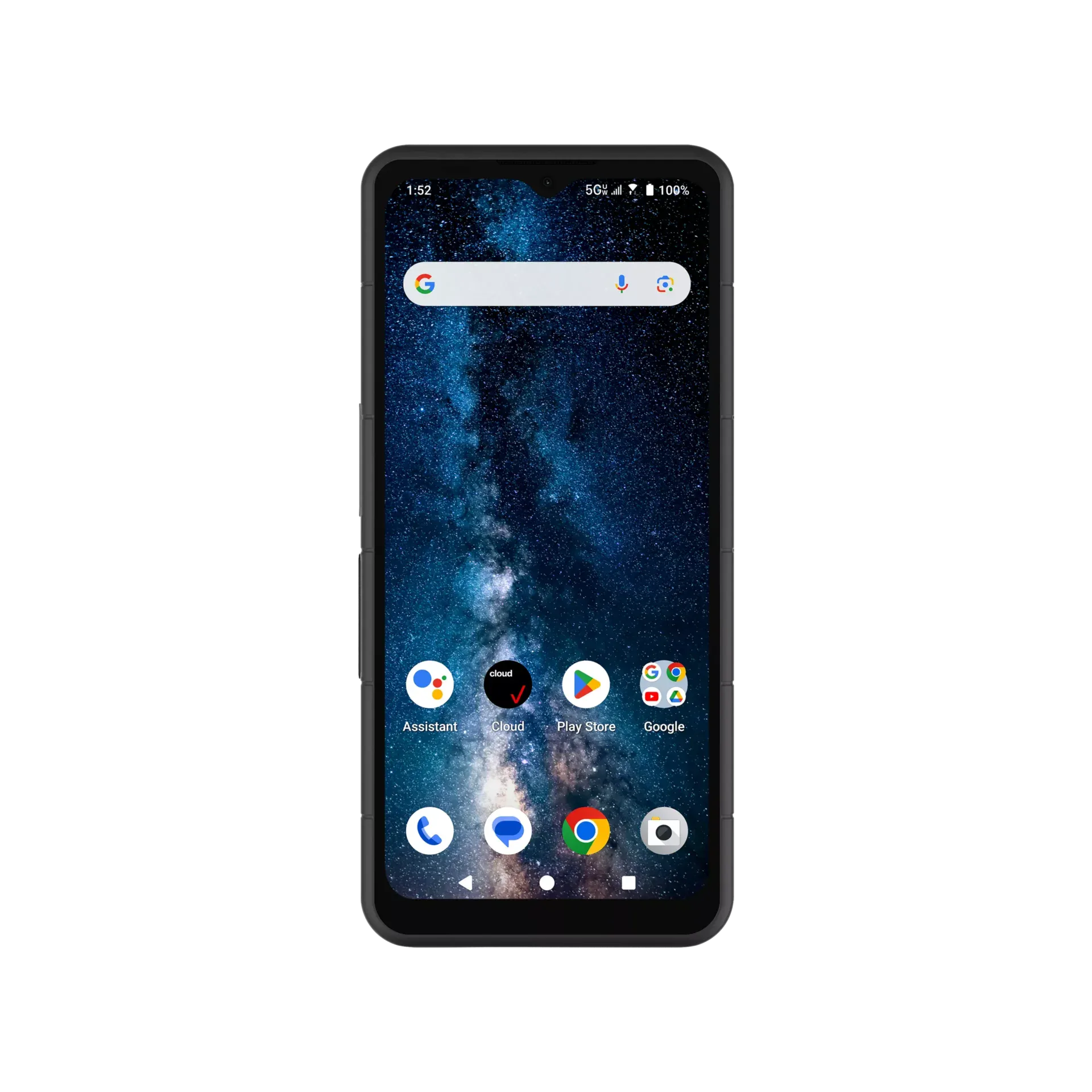
I debated about including this one, as I genuinely feel a bit bad poking at it here. The truth is, Sonim isn’t a bad brand.
If you have a need for an ultra-rugged smartphone, you’ll find that Sonim offers some of the best ruggedized protection out there. Not only does it offer MIL-STD-810H and IP68 dust/water ratings, but the phone also has an IPX9K rating, which means it can survive high-pressure, high-temp water jets.
The reason why I’d say it’s one of the worst rugged phones to buy for most users is simply that the Samsung Xcover 7 and 7 Pro exist. The Xcover 7 is quite a bit cheaper at around $300, compared to Sonim’s $500 asking price, but even the Xcover 7 Pro is only $80 more than Sonim’s model.
Both Samsung models have stronger specs than the Sonim XP Pro 5G across the board, but the gap is even larger for the Pro model. You’ll also find Samsung has the same seven-year OS and bug-fix commitment as it offers with its other phones. Sonim can’t compete here.
Thank you for being part of our community. Read our Comment Policy before posting.