Affiliate links on Android Authority may earn us a commission. Learn more.
I asked ChatGPT, Gemini, and Claude to pick the best Pixel in 2026 — and none of them agreed
Aug 27, 2026 — 6:00 AM ET


I recently asked ChatGPT, Gemini, and Claude to pick the best smartphone for most people to buy, and I was thrilled with the results. I didn’t expect the different AI models to produce such practical answers. Even though it wasn’t perfect (Gemini needed some coaching), the reasoning was sound, and all of the models produced decent picks that were well-justified.
The Pixel 11’s release feels like an excellent opportunity to try again, and it’s a much more challenging task. The new Pixel 11 flagships aren’t a slam dunk for buyers, and while Google undoubtedly made improvements, the phones may still not be the best choice for most in 2026.
I asked all three models what the best Pixel people should spend their hard-earned money on right now, and I was shocked that none of them could agree.
Which Pixel are you most likely to buy in 2026?
ChatGPT went the most in-depth with its answer

To keep things fair, I posed the same exact question to all models:
“Good morning! So I’d like you to pick out the best Google Pixel to buy for most people in 2026. Please take into account the recently released Pixel 11 series. I’d like you to gather any information from hands-on experience with the devices. I’d like you to consider factors such as price and how people use their phones. Please pick a favorite and list other Pixel alternatives.”
I started with ChatGPT-5.6 Sol, released in July. I was surprised when it immediately shot back the base Pixel 10 as the best Pixel for most buyers. It recommended the Pixel 10 as the best phone overall for most buyers a month ago, but I was shocked it didn’t change that recommendation to the Pixel 11. Once I read into its reasoning, the Pixel 10 started to make more sense.
ChatGPT appeared relatively unimpressed by the changes Google made to the Pixel 11. It acknowledged that the Tensor G6 will offer better performance and that 256GB of base storage is a welcome addition, but it doesn’t believe it justifies the now-$300 price gap between phones.
It also stressed what the Pixel 10 still does well, especially for typical buyers. Its Tensor G5 chipset is powerful enough for daily tasks; the software experience remains excellent, with plenty of promised support still to come. ChatGPT really emphasized the importance of a telephoto camera. It highlighted how people enjoy photographing children and pets, and how a telephoto lens helps capture the perfect moment. It also mentioned Pixelsnap, which I’ve grown to love as well. Don’t knock proper Qi charging compatibility until you’ve tried it.
All told, ChatGPT’s recommendation of the Pixel 10 is solid, even if it may not be what Google wants to hear just after a new phone launch.
Claude had a different idea about which phone is best

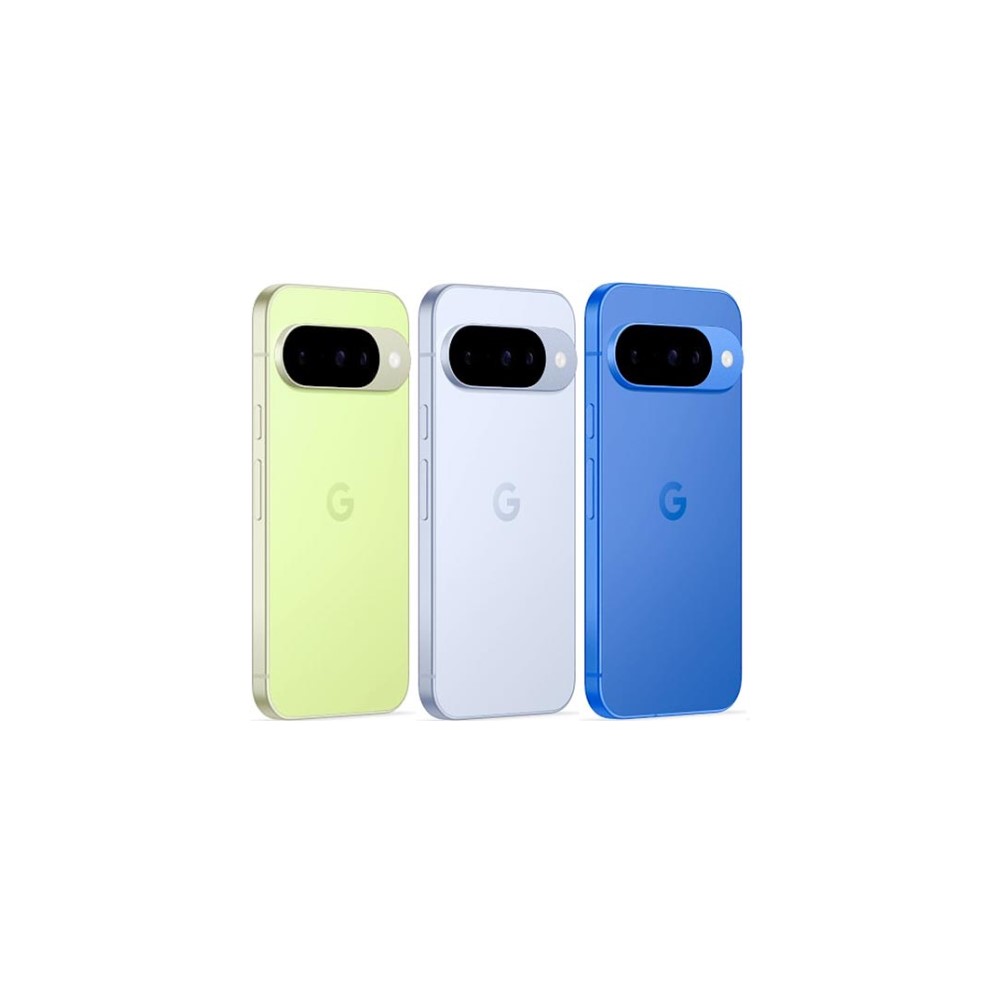
When posed with the same question, Sonnet 5 Thinking answered that the Pixel 11 Pro was the best choice for most. It wavered a little when pushed on whether a discounted Pixel 10 Pro from last year might be better, but it held that the Pixel 11 Pro offered worthy upgrades.
Claude loves the camera improvements Google made to the Pixel 11 Pro. It highlighted how the Pro models benefit from an improved 50MP primary sensor and a 48MP ultrawide. While the base Pixel 11 cameras received upgrades, Claude notes a tangible difference when moving up to the Pro models.
The model also appreciated that you aren’t accepting too many compromises just because you want a smaller phone. You can get the upgraded camera hardware without shelling out $1,300 for the XL model. It’s the sweet spot for many buyers.
As I mentioned, it conceded that the Pixel 10 Pro was currently an excellent value, and it made it clear that if you already had a 10 Pro, there weren’t compelling reasons to upgrade. However, if you were looking to buy a Pixel for the first time, it recommended paying up for the Pixel 11 Pro.
If budget were your primary concern, Claude still loves the Pixel 10a. It notes the obvious trade-offs with less RAM and an older chipset, but it admits camera performance and the overall package are attractive for less than $500.
Google Gemini disagrees with both

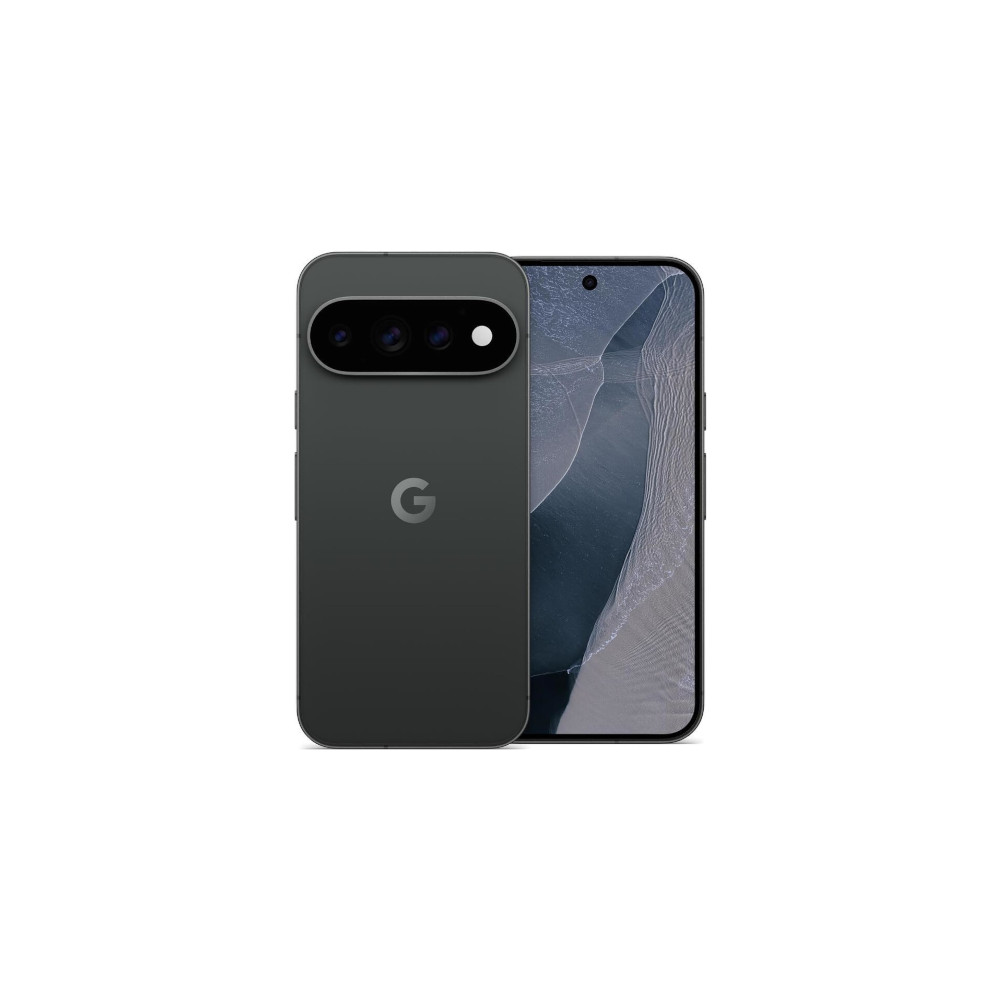
Gemini 3.7 Flash made sure there was no consensus among the major AI models. It prefers the base Pixel 11 model as the best Google smartphone to buy in 2026. I can respect the Pixel 11 as a solid choice, but Gemini’s justifications felt a bit jargon-y for my liking. It noted “cutting-edge AI processing via the new Tensor G6” chipset. I’m sure it pulled that from marketing material somewhere, but it still doesn’t inspire confidence when reading it, and I asked for measured (and hopefully unbiased) buying recommendations.
Even so, it’s hard to argue with Gemini’s other points. In addition to other Tensor G6 improvements, the model mentions camera reliability. Its argument is that you get excellent point-and-shoot consistency with the Pixel 11, and the phone’s low-light photography is solid. Both of those are strong buying considerations for a significant chunk of buyers.
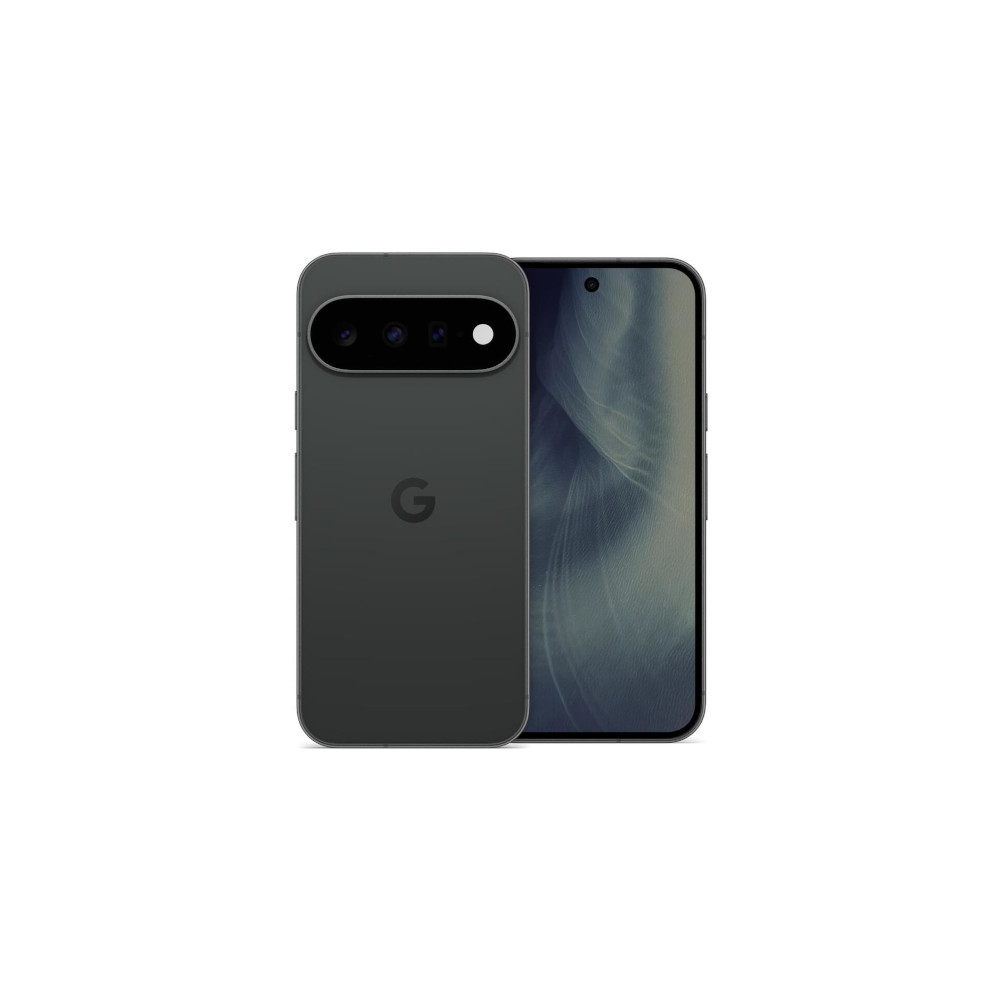
One thing all three models agreed on was the importance of software support, and the Pixel 11 carries the same seven years of promised upgrades. Like the other models, Gemini also hailed the Pixel 10a as a fantastic budget alternative — claiming it provides 85% of the flagship experience for half the price.
I found it fascinating that none of the models picked the Pixel 11 Pro XL as the best choice. All of them seemed turned off by the increase in price, especially since the larger screen didn’t seem like enough of a benefit to pay up. I don’t know if the marketplace will agree, but I’m pleased that all models brought practical, everyday use and money-saving into the buying decision. Companies may be raising prices across the board, but that doesn’t mean we have to spend more to pick up a quality smartphone.
Thank you for being part of our community. Read our Comment Policy before posting.