Affiliate links on Android Authority may earn us a commission. Learn more.
The $1,200 Z Flip 8 charges slower than a $300 Android phone, and that’s just embarrassing
Jul 24, 2026 — 5:00 AM ET


Samsung’s flagships have come under fire over the years for lagging behind the best hardware on the market in one way or another. Charging power has been at the heart of many criticisms, historically lagging some way behind the competition. That’s changed somewhat this year. First, the Galaxy S26 Ultra jumped to 60W, and now the Z Fold 8 and 8 Ultra are moving up to 45W as well. Not the fastest in the business, but undoubtedly more in the mix than a couple of years ago.
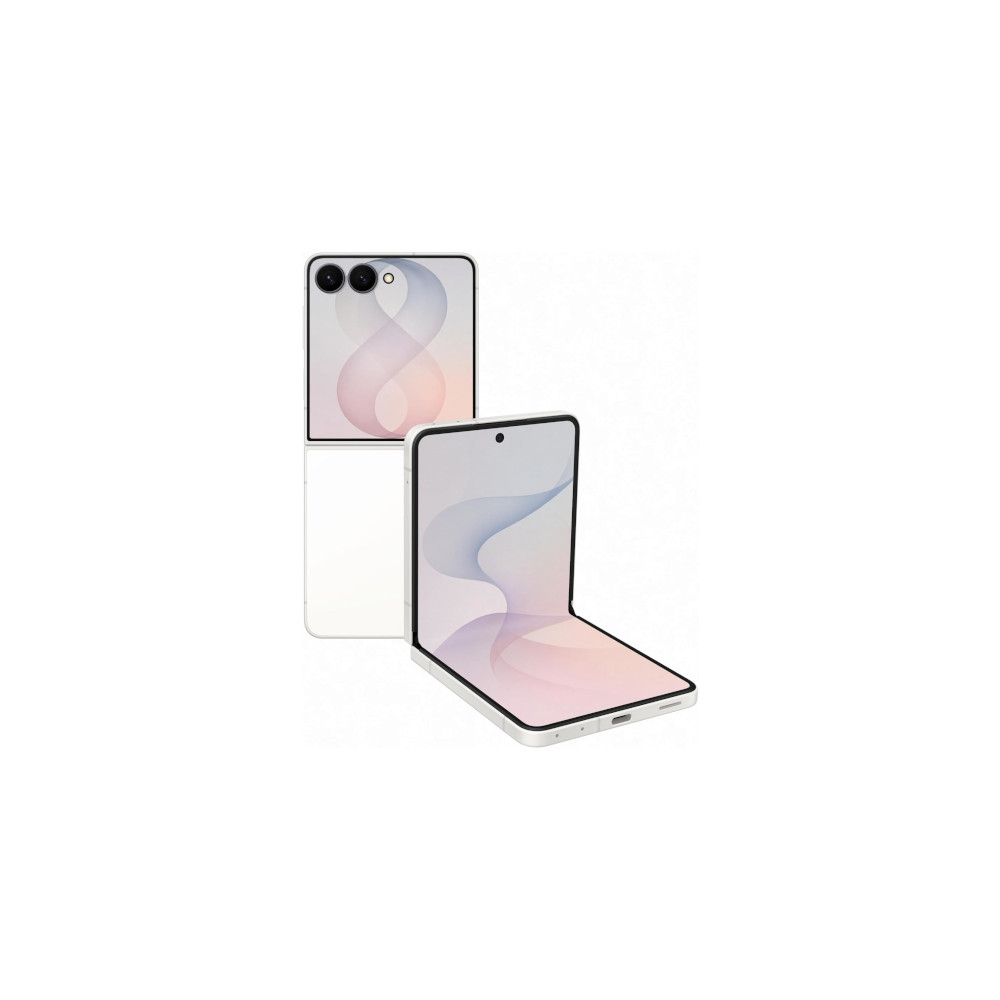
However, this has left the new Galaxy Z Flip 8 looking rather sluggish compared to its best flagships, and even its nippy midrangers. Samsung’s compact foldable still charges at just 25W. For a 2026 foldable that costs $1,200, that’s just insane. Especially when you consider that $300 phones can outpace it in terms of power.
Are you disappointed in the Galaxy Z Flip 8's charging power?
Take the Moto G (2026), for example. Motorola’s $300 budget phone manages to cram 30W into the phone, resulting in a charge time that bested last year’s Z Flip 7 to full by a minute. But remember, the little Moto G is filling a 5,200mAh cell compared to Samsung’s far more modest 4,300mAh. The foldable’s battery capacity is unchanged this year, so we should expect the Z Flip 8 to be just as sluggish as the Flip 7.

Budget phones run rings around the Z Flip 8's charging power. It's embarrassing.
The Nothing Phone 4a is another prime example of a phone that costs significantly less than Samsung’s latest foldable yet packs more charging power. £349 (~$473) nets you 50W into a 5,080mAh cell, with a full charge time in just under an hour compared to the Flip’s over 90 minutes. When it comes to battery anxiety, not only is this budget phone likely to last longer, but it also gets back on its feet much faster, too.
The Samsung Galaxy Z Flip 8 can pretend to hide behind the thermal constraints of the clamshell form factor all it likes, but that’s hardly a robust defense for a phone charging $1,200. For the past couple of generations, the Motorola Razr Ultra series (admittedly priced slightly above Samsung’s Flip) has delivered up to 68W of power in a compact clamshell, resulting in sub-hour charging times.

It can be done, but Samsung seems unwilling to prioritize faster charging for Flip customers. It clearly has the technology to support 45W and even 60W power levels in its other flagship products, but the trick is to invest in power ICs, robust batteries, and thermal management to make fast charging work in a clamshell foldable, too. For $1,200 — the Flip 8’s new starting price — that shouldn’t be too much to ask, especially since phones costing a fraction of that can do it.
With the Galaxy Z Fold 8 series proving Samsung can deliver meaningfully faster charging in its foldables, the Z Flip 8’s 25W limit feels less like an engineering constraint and more like a choice. Whether it’s cost-cutting, component prioritization, or simply a blind spot, the result is the same: Samsung’s most expensive clamshell is outpaced by phones a third of its price. The Z Flip 9 would be a good time to fix that.
Thank you for being part of our community. Read our Comment Policy before posting.