Affiliate links on Android Authority may earn us a commission. Learn more.
5 Android phones you should buy instead of the Google Pixel 11 Pro Fold
Aug 30, 2026 — 6:30 AM ET



Google is playing catch-up with the new Pixel 11 Pro Fold. The North American foldable market is as competitive as ever, with Samsung, Motorola, and Google all vying for a piece of the pie. Last year’s Google Pixel 10 Pro Fold was largely overshadowed by thinner, lighter foldables, but the Pixel 11 Pro Fold will prove more competitive.
This year’s Pixel foldable is thinner, lighter, and more refined than its predecessor. Regardless, there are still a handful of compromises that might push foldable buyers to choose a different Android phone instead.
Whether you crave performance, battery life, or multitasking features, there’s a worthy alternative to the Pixel 11 Pro Fold that will meet your needs. If you aren’t ready to drop $1,899 on Google’s newest foldable, here are five alternatives to consider.
Which phone do you think is the best Pixel 11 Pro Fold alternative?
Motorola Razr Fold

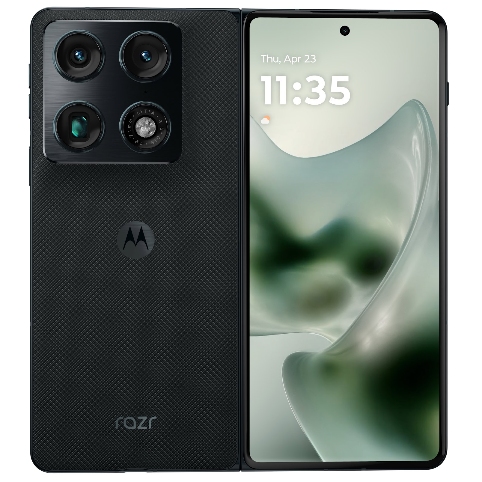
The folding phone most similar to the Google Pixel 11 Pro Fold is the Motorola Razr Fold. It’s not the thinnest or the lightest foldable, measuring 10.04mm thick and weighing 243 grams. The Pixel 11 Pro Fold is just barely thicker at 10.1mm, and it’s a few grams lighter at 239 grams. That said, the Razr Fold makes the most of its size with an 8.1-inch inner display and a 6,000mAh silicon-carbon battery. The gigantic battery won’t take long to charge thanks to 80W wired charging speeds and 50W wireless charging.
Google does earn some credit for adding magnetic Qi2.2 25W wireless charging to the Pixel 11 Pro Fold, building upon the Pixel 10 Pro Fold’s Pixelsnap compatibility. Unfortunately, the Pixel 11 Pro Fold’s 4,750mAh lithium-ion battery is notably smaller than the 5,015mAh one inside the Pixel 10 Pro Fold. Google had to cut the battery to trim the Pixel 11 Pro Fold’s thickness, whereas Motorola shipped the biggest battery you’ll find in a US foldable — in a package that’s somehow even thinner.
Motorola’s loud design language is an acquired taste, but it’s hard not to like the Razr Fold’s unique vegan leather colorways. The Qualcomm Snapdragon 8 Gen 5 chip inside the Razr Fold will likely match, if not beat, the Tensor G6 processor powering the Pixel 11 Pro Fold. For the same price as the Pixel 11 Pro Fold, the Razr Fold gives you double the storage and the same amount of memory. Plus, the Razr Fold sports a trio of 50MP rear cameras on the back. The Pixel 11 Pro Fold is stuck with lowly 10.5MP and 10.8MP lenses for the ultrawide and telephoto cameras, respectively.
The Razr Fold only gets three years of full Android OS upgrades, which arguably isn’t enough for a foldable this expensive. But Motorola does have the best multitasking software of any foldable, which sweetens the deal a bit.
Samsung Galaxy Z Fold 8

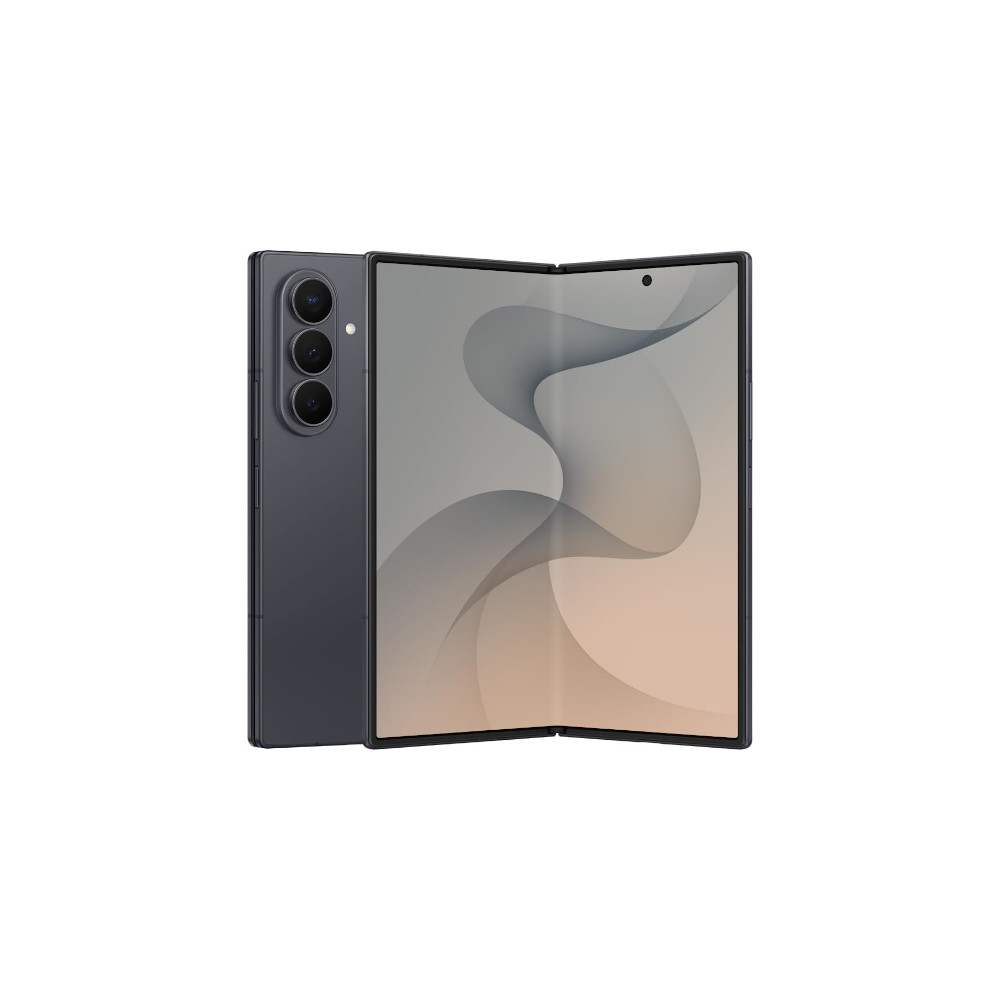
Last year, Samsung ignited the foldable thinness race with the Galaxy Z Fold 7. Google’s Pixel 11 Pro Fold is a clear answer to that, as the foldable shaves roughly a millimeter off its predecessor’s thickness. Well, Samsung is starting a new trend with its latest foldables. The Samsung Galaxy Z Fold 8 is a short and wide folding phone designed for gaming and content consumption. While Google’s first foldable resembled a similar passport-style form factor, the Pixel 11 Pro Fold keeps a nearly square main display aspect ratio.
This design makes the Pixel 11 Pro Fold’s 6.5-inch outer screen feel more like a traditional Android phone, but it is also poor for widescreen video playback. This is why foldable phones with a roughly 1:1 aspect ratio display large black bars on their main screens while playing movies, TV shows, or YouTube videos. The Samsung Galaxy Z Fold 8 solves this problem with a 4:3 main display aspect ratio, which is better for modern 16:9 widescreen videos, and is perfect for select games and legacy TV shows.
Samsung is starting a new trend with its latest foldables.
The Galaxy Z Fold 8’s wide shape is not without trade-offs, though. The foldable’s two screens are smaller, including a 5.5-inch cover display and a 7.6-inch folding display. While the inner screen is better suited for horizontal videos, the odd cover display isn’t ideal for vertical videos. Additionally, the Galaxy Z Fold 8 lacks a telephoto lens.
Still, if you like the wide form factor, the Galaxy Z Fold 8 is an excellent Pixel 11 Pro Fold alternative. Samsung’s wide foldable has a larger 4,800mAh battery, a faster Snapdragon 8 Elite Gen 5 for Galaxy chip, and a thinner and lighter build. The Galaxy Z Fold 8 costs $1,899 — the same as the Pixel 11 Pro Fold — but Google’s offering does come with more base RAM.

Samsung Galaxy Z Fold 8 Ultra

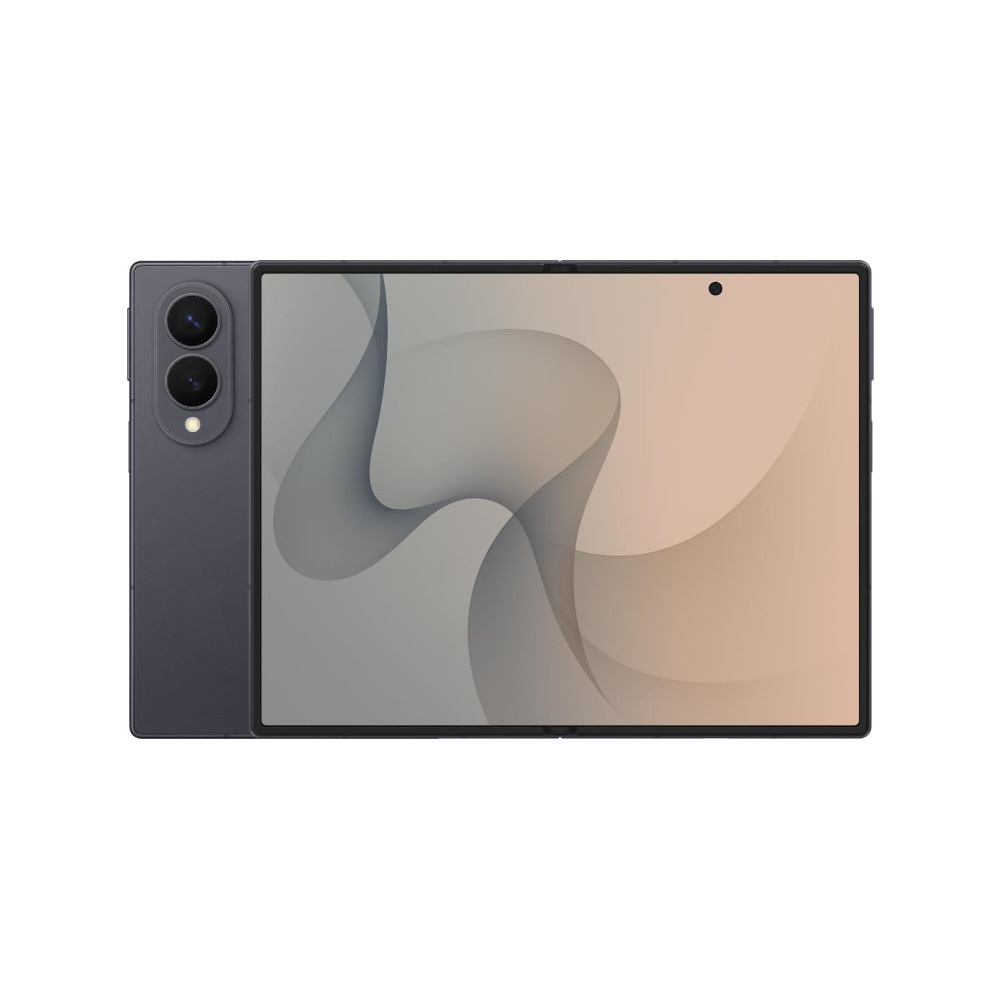
Samsung knows the wide Galaxy Z Fold 8 isn’t for everyone, so it sells the Galaxy Z Fold 8 Ultra as the true successor to the Galaxy Z Fold 7. If you’re looking for a Pixel 11 Pro Fold alternative with a similar form factor, the Galaxy Z Fold 8 Ultra may be your best bet. The biggest sticking point here is the $2,099 starting price. Those who can stomach the high cost will find the Galaxy Z Fold 8 Ultra to be a state-of-the-art foldable in just about every category.
The phone’s thickness puts all other US foldables to shame, measuring 8.9mm when shut. The Galaxy Z Fold 8 Ultra weighs only 215 grams, making it lighter than not only the Pixel 11 Pro Fold but also the Pixel 11 Pro XL. This goes to show how impossibly thin the Galaxy Z Fold 8 Ultra feels. Samsung’s flagship foldable does skip Qi2 magnets to achieve that thickness, but it doesn’t compromise on battery life. The Galaxy Z Fold 8 Ultra has a 5,000mAh silicon-carbon battery larger than the lithium-ion one in the Pixel 11 Pro Fold.
The two phones each offer a 6.5-inch cover display and an 8-inch folding display, but the Galaxy Z Fold 8 Ultra has the under-the-hood advantage. It’s also powered by the Snapdragon 8 Elite Gen 5 for Galaxy chip, which significantly outperforms the Pixel 11 Pro Fold’s Tensor G6 processor. Samsung’s 200MP primary shooter and 50MP ultrawide lens on the back are other highlights, although we wish the 10MP, 3x telephoto camera was sharper.
The Pixel 11 Pro Fold’s Qi2.2 25W charging and IP68 durability are key advantages, but overall, the Galaxy Z Fold 8 Ultra is the stronger foldable on paper.
Motorola Razr Ultra (2025)

Google doesn’t make a flip phone, and if the Pixel 11 Pro Fold doesn’t scratch your foldable itch, a clamshell is worth a look. The newest flip phones are the Motorola Razr Ultra (2026) and the Samsung Galaxy Z Flip 8, but the former costs $1,499, and the latter has weak cover screen software. The sweet spot is actually the last-generation Razr Ultra (2025), which originally retailed for $1,299 and is now regularly available for less than $800. Those who want an Android foldable without breaking the bank should pick the Razr Ultra 2025 over the Pixel 11 Pro Fold.
By choosing a year-old Razr, you’ll have already used one of the Razr Ultra 2025’s three guaranteed Android OS upgrades. This is the most important knock against Motorola’s last-gen flip phone, but the price may make that compromise worth your while.
You'll need to decide if the Pixel 11 Pro Fold is worth twice as much as the Razr Ultra 2025.
As for the specs, the Razr Ultra 2025 is more capable than you’d think. It runs on the same Snapdragon 8 Elite chip as the newer 2026 model and has twice the storage of the Pixel 11 Pro Fold. With a 4,700mAh battery capacity, the Razr Ultra 2025 isn’t far behind the Pixel 11 Pro Fold, and it charges at a faster 68W with a cable.
The Razr Ultra 2025’s 7-inch main screen will feel similar to phones like the Pixel 11 Pro XL, but it won’t replicate the inner display experience of a big-screen foldable. As such, you’ll need to decide if the Pixel 11 Pro Fold is worth twice as much as the Razr Ultra 2025.

Google Pixel Fold

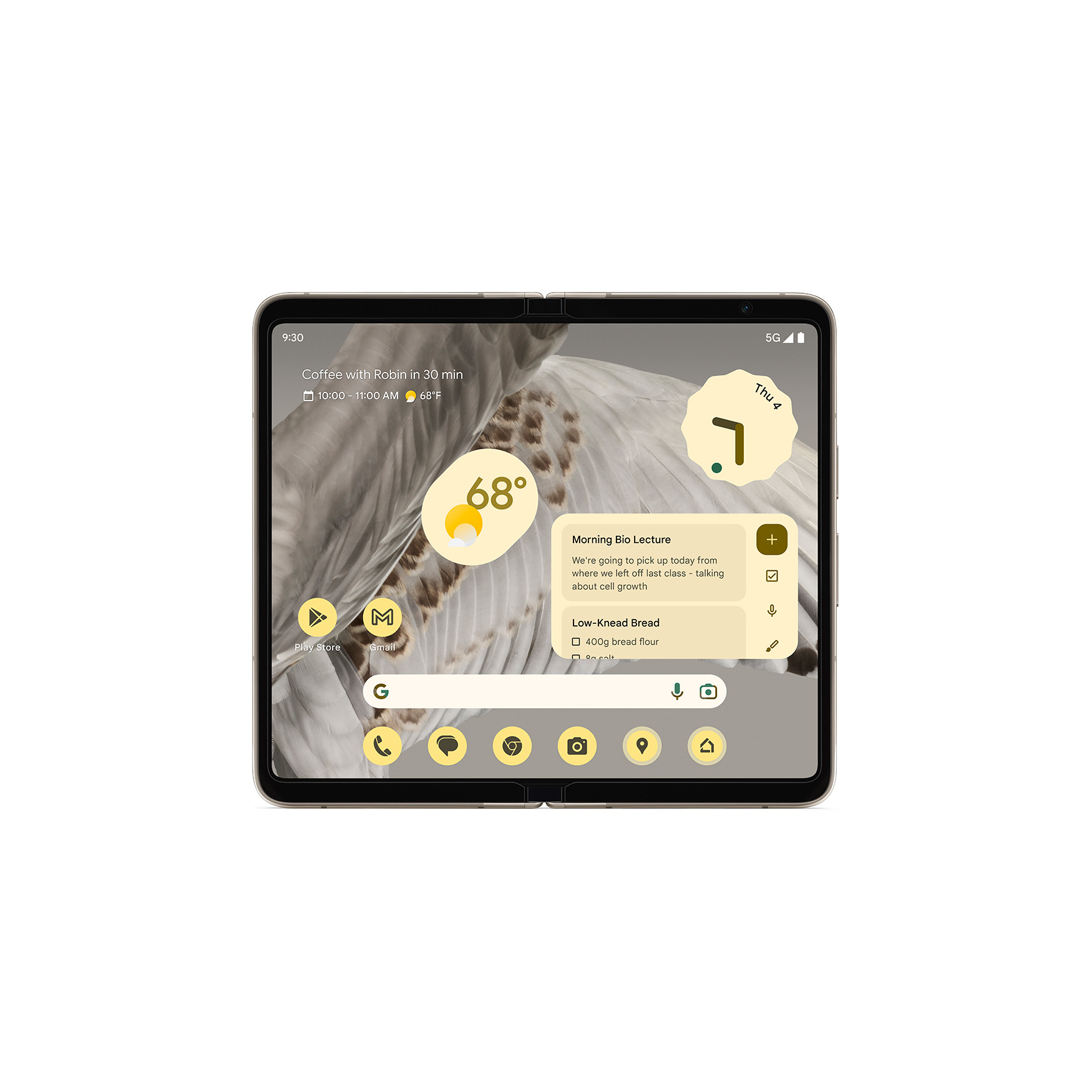
If you’re set on buying a Pixel foldable, find yourself intrigued by the Galaxy Z Fold 8, and don’t want to spend a small fortune on a new phone, I have the perfect alternative: the original Google Pixel Fold. I won’t sugarcoat it — the Pixel Fold is not perfect. It was Google’s first try at making a folding phone, and it showed. The Pixel Fold is thick and heavy with large bezels and a folding display that doesn’t always open completely flat.
With those drawbacks out of the way, the Pixel Fold’s strengths are undeniable. It runs Android 17, costs around $600 new, and has the wider foldable aspect ratio that is now coming back into style. Specifically, you get a 7.6-inch folding display and a 5.8-inch cover screen. The Google Tensor G2 chip powering the Pixel Fold has a propensity to overheat, but it should perform fine even in 2026. Other specs, like the 12GB of memory or 4,821mAh battery capacity, don’t look out of place compared to modern flagships.
I wouldn’t recommend the Pixel Fold as a serious alternative to the Pixel 11 Pro Fold if the 2023 foldable was still priced anywhere near its original $1,799 MSRP. However, you can now find it in new condition for $600, and used or refurbished models cost roughly half that. This completely changes the value proposition, offering a capable Pixel 11 Pro Fold and Galaxy Z Fold 8 hybrid for less than the cost of a regular Pixel 11.
Thank you for being part of our community. Read our Comment Policy before posting.