Affiliate links on Android Authority may earn us a commission. Learn more.
Is gaming on the Pixel 11 really that bad? I played 3 popular games to find out
Sep 10, 2026 — 6:30 AM ET



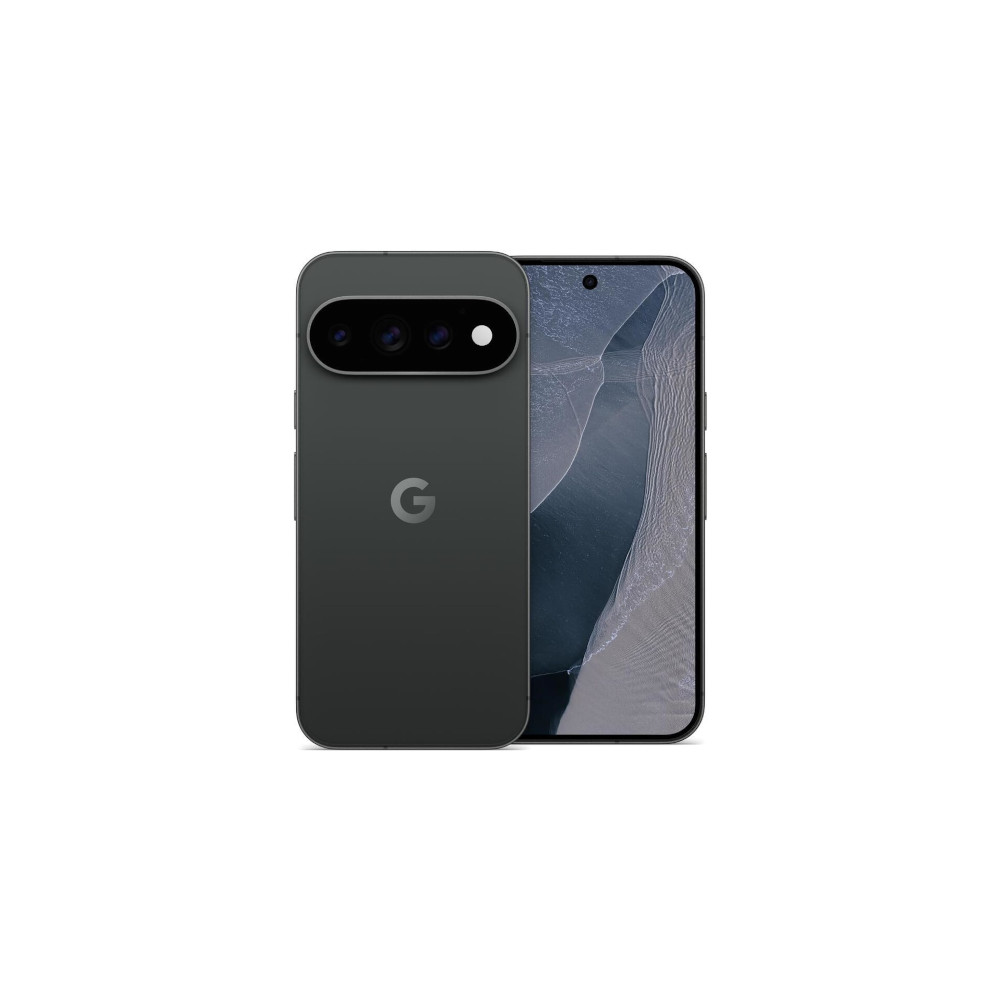
The Tensor G6 chip in Google’s Pixel 11 series is off to a not-so-great start. First, the chip’s benchmarks are notably behind the competition, which is pretty much par for the course. Then, during launch week, gamers saw graphical glitches in popular titles like Genshin Impact — prompting fears of a redux of last year’s driver issues that plagued the Pixel 10’s Tensor G5 chip for months.
However, are things really that bad? To put it to the test, I played my usual assortment of popular Android games, recording frame rate, temperatures, and power draw data. For the test, I booted up Call of Duty Mobile’s Battle Royale mode, the fast-paced Asphalt Legends racing game, and the ever-demanding Genshin Impact. I turned the settings up as high as my Pixel 11 Pro XL would let me: medium settings with a 90fps limit in COD, high settings with a 60fps limit in Asphalt Legends, and high/max settings with a similar 60fps cap in Genshin Impact.
Is the Pixel 11's gaming performance good enough?
That’s hardly a compelling start, given that other flagships this year can target much higher frame rates with max settings in all of these games, but let’s see how the Pixel gets on. For comparison, I also grabbed last year’s Pixel 10 Pro XL, running the latest Android 17 build.
Tensor G6 real games test

Let’s start with the good news; all of these popular titles are certainly playable. Call of Duty Mobile sits comfortably above 60fps, ensuring you’re always competitive with rival combatants, even if it can’t lock tightly to my requested 90fps limit. While the more graphically intensive Asphalt Legends and Genshin Impact sadly can’t lock a 60fps figure in, they’re far enough above the 30fps lower limit that’s playable enough for these titles (and often the frame rate you’ll find many games running at on high-end game consoles). So, if you want to dabble in some serious gaming, the Pixel 11 Pro XL is capable enough, even if the results aren’t silky smooth.
However, as we can see, the new Pixel 11 model doesn’t produce a noticeable performance uplift over last year’s Pixel 10 Pro XL. Sometimes it’s slightly faster; Asphalt Legends sees a <5% uplift in average frame rate, while mean performance is actually slightly lower in the other two titles. While this is good news for those who had feared that the move to PowerVR’s CXT architecture from the DXT series would be a downgrade, it’s certainly not an upgrade either.
The Pixel 11 handles popular Android games, but frame rates aren't the smoothest.
In a final piece of good news, I didn’t spot any major graphical glitches in any of the games I played. A recent patch fixed the Genshin Impact issue, and I didn’t observe any anti-aliasing glitches in COD Mobile when the Pixel 10 series launched. That said, I did experience texture pop-in issues in Genshin Impact and the occasional stutter in COD Mobile, which seemed worse than anything I’d witnessed with last year’s model. Though perhaps this is down to the lack of RAM more than a bottleneck in the lower-end CXT architecture.

A more consistent complaint with the Pixel 11 Pro XL is just how warm the phone becomes after even a short gaming session. Thankfully, it’s nowhere near the hottest handset I’ve ever used, and it certainly doesn’t overheat, but it’s quick to feel warm in hand. I didn’t notice any major performance throttling, as temperatures seem to remain below 40°C internally. Genshin Impact is the exception, where the phone crept up to over 40°C after five minutes and then showed significant periods of low frame rates towards the end of my test. Equally concerning is that the Tensor G6 often reached over 35°C before I’d even had a chance to get past a game’s opening menus.

In any case, my Pixel 11 Pro can clearly play some of the most popular and still graphically demanding titles in the Android gaming ecosystem. That’s about all the good news there is (which might be good enough, depending on your expectations). The Tensor G6 does not seem to provide meaningful performance upgrades over last year, and perhaps even one or more hitches and judders. If you already own a recent Pixel model, upgrading to this year’s model won’t improve your gaming experience.
How does the Pixel 11’s gaming performance compare?
In isolation, my Pixel 11 Pro XL seems competent enough. But when you’re spending $1,099 or $1,299 on a flagship smartphone, there are quite a few alternatives to pick from — most of which sport a Qualcomm Snapdragon 8 Elite Gen 5 chipset. To see how these rival flagships are likely to compare to Google’s latest model, I grabbed the Xiaomi 17 Ultra and ran through the same games.
Before even getting into the games, switching to the latest Snapdragon chip opened up a more compelling range of settings options. I could unlock Very High settings with a 120fps cap in COD Mobile, a substantial improvement over the Pixel. Likewise, Asphalt Legends presented options for Max graphics settings and its own 120fps limit. So, I ran the same games with those settings enabled.

Unfortunately for Google, this test reveals just how far behind the Tensor G6 is in terms of gaming prowess. Not only is my Snapdragon 8 Elite Gen 5-powered flagship able to hit higher frame rates in all the games I tested, but it also does so with higher graphics settings enabled.
While the difference between 80fps and 120fps isn’t big enough to affect gameplay feel in COD Mobile’s Battle Royale mode, the ramped-up graphics settings provide nicer-looking render distances and reduced pop-in, certainly making the large open battlegrounds more enjoyable to traverse. The almost-tightly locked 120fps frame rate is really just an added bonus, but it goes to show just how much more headroom this year’s Snapdragon-powered flagships have over Google’s latest Tensor.
When it came to Asphalt Legends, I could definitely feel the frame rate improvements. The difference between a sub-50fps experience and 120fps in a racing game is night and day, amplifying the feel of those chaotic collisions and flying particles. Throw in the improved graphical effects, and this is definitely a leveled-up experience. The only time the Snapdragon chip’s frame rate dropped was during menu transitions, which is hardly an issue. While the difference between Genshin Impact’s 45fps and 60fps isn’t as huge, the added smoothness undoubtedly keeps combat feeling fluid.
Rival Android flagships hit higher frame rates with maxed settings. Game over, man.
So, we arrive at an all-too-familiar conclusion. Pixels aren’t about peak performance or gaming prowess; it’s all about AI, cameras, and Google’s best-class software — or so chimes the usual defense. That’s still true.

Phones aren’t just handheld gaming companions; the overall experience matters when eyeing up your next purchase. However, when flagships command well over $1,000, we should expect them to be at least competitive in every respect. The Pixel 11 series can play the latest Android games, but so can any number of flagship phones from the past three or even four years.
Next-gen hardware capable of powering through the next five years of experiences as well, and it’s highly doubtful the Tensor G6 can do that. I’m already dreading dipping my toes in the even more demanding emulator waters, but watch this space.
Thank you for being part of our community. Read our Comment Policy before posting.