Affiliate links on Android Authority may earn us a commission. Learn more.
I compared this year's two best camera phones to crown an ultimate champion
Oct 24, 2026 — 5:30 AM ET


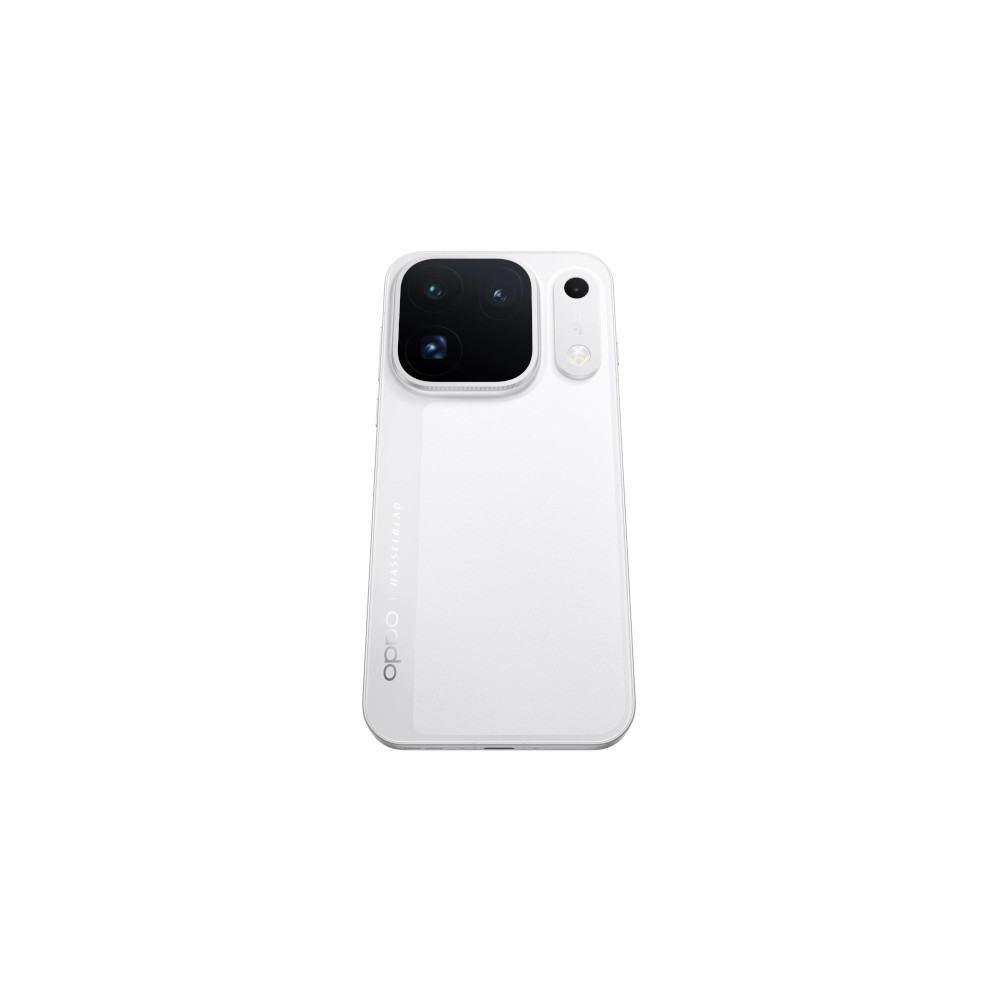
The OPPO Find X10 Pro Max debuted the industry’s first triple 200-megapixel camera package, setting its sights on the top of the photography rankings. Having spent a few weeks with the phone, I can undoubtedly say it is worthy of consideration as one of the best camera phones ever made.
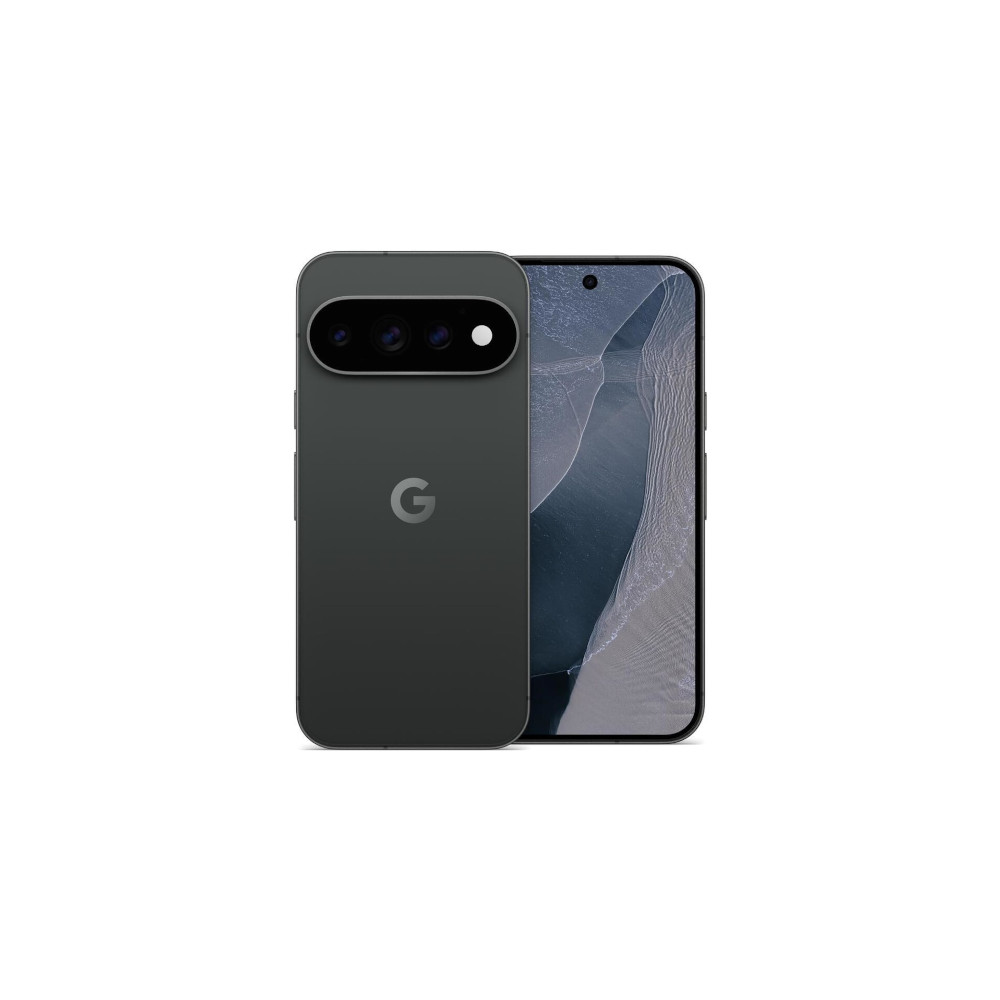
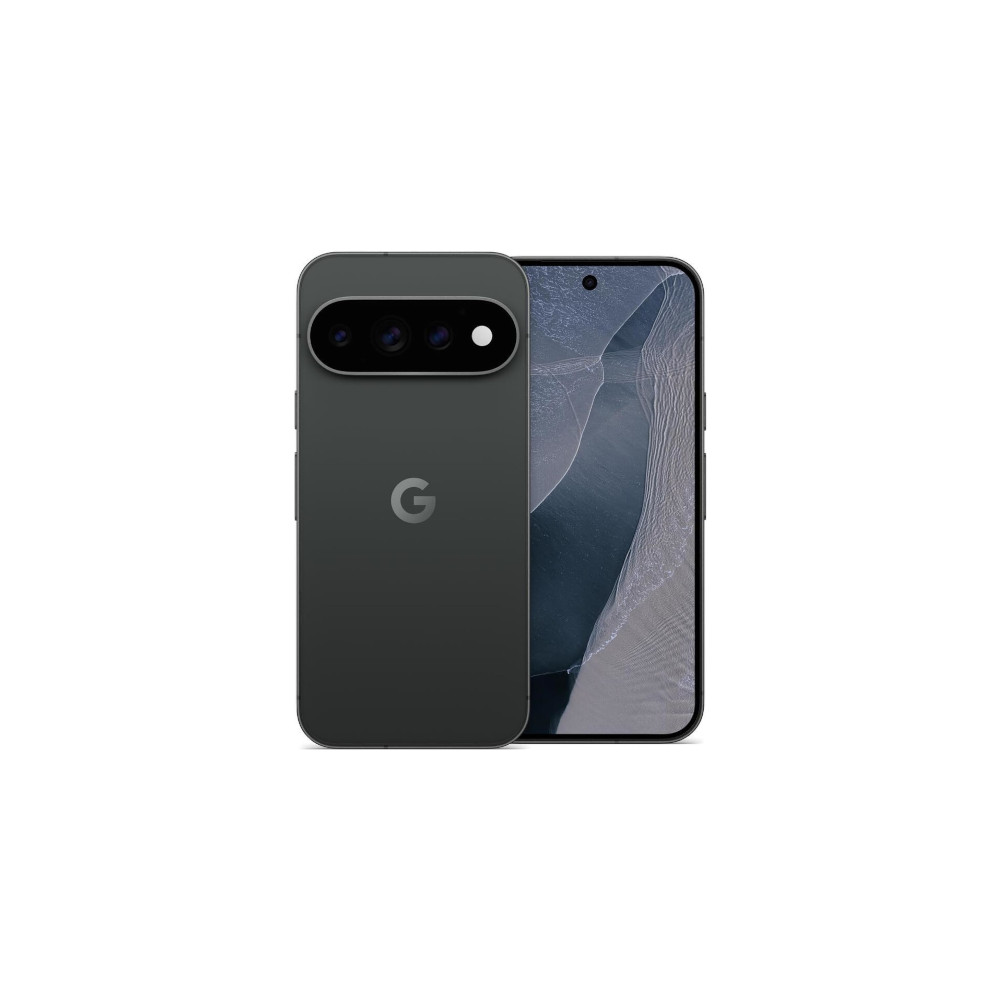
Google’s handsets have also built a reputation as some of the best, if not the best, for reliable smartphone photography. The latest Pixel 11 Pro XL represents Google’s best camera hardware and software package to date, featuring upgraded main and ultrawide sensors, as well as a larger 5x telephoto lens to capture more light. One of the best just became a whole lot better this year.
| Camera | Google Pixel 11 Pro XL | OPPO Find X10 Pro Max |
|---|---|---|
| Camera Main / Wide | Google Pixel 11 Pro XL 50 MP, 1/1.3-inch sensor, f/1.68, OIS | OPPO Find X10 Pro Max 200 MP, 1/1.3-inch sensor, f/1.5, OIS |
| Camera Ultra-Wide | Google Pixel 11 Pro XL 48 MP, 1/2.51-inch sensor, f/1.7, Autofocus | OPPO Find X10 Pro Max 200 MP, 1/1.56-inch sensor, f/2.2, Autofocus |
| Camera Telephoto | Google Pixel 11 Pro XL 48 MP, 1/1.95-inch sensor, f/2.8, OIS | OPPO Find X10 Pro Max 200 MP, 1/1.56-inch sensor, f/2.1, OIS |
| Camera Front | Google Pixel 11 Pro XL 42 MP, f/2.2, Autofocus | OPPO Find X10 Pro Max 50 MP, 1/2.75″ sensor, f/2.0, Autofocus |
On paper, the OPPO Find X10 Pro Max still has a significant lead in resolution and sensor size over the Google Pixel 11 Pro XL. But perhaps Google’s computational photography magic can close the gap or even leapfrog raw hardware prowess? Let’s find out.
Evenly matched main cameras
As you would expect from two high-end camera phones, the colors, detail, and low-light performance from their “primary” cameras are top-notch. There are differences, of course, but not anything you’re going to notice at full-frame on a phone or even a laptop screen. The main cameras are very evenly matched, which you’d expect from two similarly sized sensors with wide apertures. The OPPO Find X10 Pro can offer a smidgen more detail from its default 26MP output, but its 200MP resolution is not a game-changer in that regard, contrary to what the raw numbers might suggest.
That said, the Pixel’s processing and noise reduction are more aggressive, while OPPO’s images have a more natural grain that will feel more at home with mirrorless camera enthusiasts. Thankfully, neither main camera leans too heavily into oversaturated colors, though surprisingly, the Pixel’s main camera often came out the more vivid of the two.
That said, OPPO’s newer Samsung ISOCELL HPC appears to have the edge in low light when shooting without the assistance of long-exposure Night modes. It suffers from less noise and holds up better in terms of color capture and contrast. Likewise, the main camera seems to have marginally better HDR capabilities than Google’s renowned Pixel series.
OPPO's extra pixels and DeepPix HDR make for only marginal improvements.
The OPPO Find X10 Pro Max’s sensor has a new trick up its sleeve — Samsung’s DeepPix. In a nutshell, the sensor’s pixel structure is more efficient at transferring electrons and converting them into a readable voltage, and it has a larger area for storing them. This enables up to 17 stops of dynamic range, without the use of software that can lead to potential ghosting. The reality, however, is more subtle.
I couldn’t find many scenarios that consistently caused the OPPO or Pixel much trouble. In the worst cases I took, the Pixel 11 Pro XL ended up a little washed out, with a subtle cold hue. But I should stress that these instances were incredibly rare and occurred only when deliberately shooting into bright backlighting. That said, the OPPO’s DeepPix sensor didn’t encounter the same issue.
Is bigger better for ultrawides?
One of the biggest spec sheet discrepancies between the Pixel 11 Pro XL and Find X10 Pro Max are the ultrawides. Even ignoring the resolution headlines, the 1/2.51-inch sensor in the Pixel is minuscule compared to the 1/1.56-inch sensor OPPO has turned to this year, which is far more comparable to the top-notch main sensor found on most other flagships.
This doesn’t mean the Pixel is poor, however. At full-frame, both cameras look very good, with only minor differences in white balance and color saturation, as with the wide lenses. Dynamic range is impressive in both samples below, balancing the sun breaking through the overcast sky against the shadows of the distant trees in the lake shot. The two also offer a very similar field of view, though OPPO’s ultrawide lens suffers from slightly more chromatic aberration at the lens’s edges; neither is so distorted as to produce an aggressive warping effect.
However, crop in on the snaps and you can easily see where that extra hardware investment pays dividends. Even ignoring the extra resolution available on the Find X10 Pro Max (it defaults to 26MP images instead of the 12MP), it’s clear that the Pixel doesn’t provide a particularly clean ultrawide experience. There’s a high level of oversharpening and detail smudging on the water ripples, trees, and roof textures, making the lake picture look not just soft but also noisy and blotchy. Furthermore, the dynamic range of the distant trees is rather poor, merging into a greyish blob.
Pixel's ultrawide remains a weak link for detail.
The much larger ultrawide on OPPO’s handset undoubtedly helps ensure more vibrant colors and lighting, along with a vastly superior level of detail. If you want to take ultrawide snaps to print out, it’s clear which one is the winner here. Just to show these trends aren’t a one-off, here’s another set of ultrawide samples that show exactly the same discrepancies — both full-frame shots are quite comparable, but OPPO is light-years ahead in fine detail.
Zooming in on the detail
For modest zooms and macro, the Find X10 Pro Max has an obvious hardware advantage in its 3x, 70mm telephoto. This doesn’t translate into a huge amount of extra detail compared to those 200MP models, though it does help the phone avoid the sharper processing you’ll spot on some Pixel photos at 3x or 4x. But it does provide the handset with a deeper depth of field and nicer-looking natural bokeh, even for short-range zoom snaps and portraits (more on that in a moment).
The playing-field levels out at 5x once the Pixel’s periscope camera kicks in fully, but you can see a notable shift in quality between a 4.9x and 5x snap if you accidentally nudge the UI. There’s a visible shift in the viewfinder on OPPO’s camera too, but the brand’s new LUMO engine blends camera data more seamlessly, resulting in virtually no discernible quality shift as you pass from 2.9x to 3x or from 5.9x to 6x, which is quite the achievement. It might be a subtle point to argue, but the Pixel feels far more confined to its 2x, 5x, and 10x zoom levels, while the Find X10 Pro Max is every bit as consistent at intermediate zoom levels.
OPPO's bigger zoom camera pulls ahead in low light and long distance.
To further extend their zoom capabilities, both phones use a similar lossless cropping technique. Google’s native 5x zoom can reach 10x without any digital upscaling. Likewise, the Find X10 Pro Max takes its 3x telephoto out to 6x, and even to 13x by cropping the huge 200MP sensor. The results aren’t quite optical quality — both miss the natural background compression and bokeh of a long focal length — but the detail holds up very well on both handsets at longer range. Besides the subtle color differences and OPPO’s larger file size, there really isn’t much to tell between these two handsets at 5x and 10x. Both provide very good detail and top-quality HDR, and even hold up well in overcast and outright dim lighting.
However, the Pixel’s smaller camera can struggle in low light when you try to extend its reach. In the 10x example above, the level of detail isn’t all that different between the two phones, at least not at full-frame. However, the Pixel 11 Pro XL has desaturated colors and exhibits mild highlight clipping on the foreground tree. It’s still not a terrible snap, but it certainly doesn’t lean into the golden hour setting the snap was shot in. Meanwhile, the Find X10 Pro Max continues its strong showing at long range, even with the light going down, delivering accurate colors, good detail, and natural sharpness rather than over-processing.
The further you push the cameras, the more the OPPO Find X10 Pro Max’s larger sensor extends its lead — though the Pixel is never far behind when the lighting is decent. By the time you reach 20x, you can more clearly see the finer detail resolved from OPPO’s camera, while the Pixel relies more on software upscaling, which starts to lose detail and succumb to noise at around this zoom level. Both phones support AI zoom capabilities for longer distance shooting, should you need it, but both look sufficiently off to my eye that I didn’t keep any shots I took with them.
Portraits and bokeh
Portraits have been a consistent bugbear of mine in recent Google flagships, but the Pixel 11 Pro XL has gone some way to addressing this. It still doesn’t have a naturally flat portrait focal length (only 24mm and 105mm), but it seems to do a solid job of combining data to produce face shapes that don’t look too narrow or too wide. Still, details aren’t superb due to relying on cropping and upscaling — they’re a little oversharpened and occasionally noisy, which adds a bit of harshness to skin and hair textures.
The OPPO Find X10 Pro Max, by comparison, is rather ethereal, favoring soft lighting and a warmer color balance over perfect HDR. It’s perhaps not technically perfect in terms of color, but it prevents subjects from looking washed out or from having overly aggressive shadowing on their faces. OPPO’s portrait details are a little softer but not lacking in fine edges that lend themselves to natural-looking skin and hair textures. However, the overall level of detail is comparable between the two phones at both 2x and 3x portraits, which is an impressive showing for the Pixel, given its hardware handicap.
Where there is a far bigger discrepancy is in software bokeh edge detection. Without a natural focal length to fall back on, the Pixel 11 Pro XL is far more reliant on software to fill in those gaps. You might have noticed that the Pixel was slightly worse at picking out fine hairs than the OPPO, but it’s even worse in complex scenes with lots of gaps and holes. The above example is especially difficult, but the Pixel exhibits far too many rough edges and missed areas with its artificial bokeh. OPPO’s flagship has a few foreground-and-background separation issues, but the natural blur from the 70mm telephoto helps detect edges more accurately and gives the phone a cover-up for occasional missed areas. Neither is perfect, but when it comes to blowing up portraits, the Find X10 Pro Max has fewer blemishes.
Google vs OPPO — Which is the best camera phone?

Despite the seemingly colossal differences in specifications, I’ve come away from this shootout with two things in mind. First, the Pixel 11 Pro XL has put Google’s phones back up in my estimation. For most snaps, the Pixel 11 Pro XL delivers superb detail, great colors, and impressive HDR that looks every bit as good as OPPO’s flagship, and perhaps even better if you prefer Google’s marginally more neutral color palette. I still find the images a little drab and sometimes overprocessed, but Google’s latest flagship has addressed some of the issues I’ve had with recent Pixels.
However, the OPPO Find X10 Pro Max is a clear winner in terms of fine quality and sheer versatility. Whether you’re shooting portraits, taking ultrawide shots, or zooming to 20x and beyond, OPPO’s camera package delivers better details and impressive dynamic range, no matter the lighting conditions or the exact zoom level you’ve tuned the camera to. The Pixel puts in a good innings, but the Find X10 Pro Max is much closer to a mirrorless camera in terms of quality and experience, letting you focus more on composition and less on whether the camera can keep up.
The OPPO Find X10 Pro Max is the best camera phone money can buy, but the cheaper Pixel isn't far behind.
Price is a decisive factor, of course. Neither phone is cheap, but the Google Pixel 11 Pro XL starts at $1,299 / €1,399 while the OPPO Find X10 Pro Max costs a whopping €1,799. Not forgetting that the Pixel 11 Pro costs a little less still and has the same camera hardware as the XL. Whether the Find X10 Pro Max’s extra camera versatility is worth such a hefty premium really boils down to whether you need that added versatility and quality that takes a phone from good enough for the family album to a near-pro-grade camera. Though the Find X10 Pro Max also boasts a colossal battery, faster processor, and pro-tier video features, that might help talk you into it.
If you can find a good excuse to splash the cash, the OPPO Find X10 Pro Max is undoubtedly the best camera phone money can buy.
Multi-day battery life
Impeccable design
7 years of Android updates
Built-in magnets with Qi 2.2
7 years of Android updates
Built-in magnets with Qi 2.2
Conversation
Read what readers said or add your take.